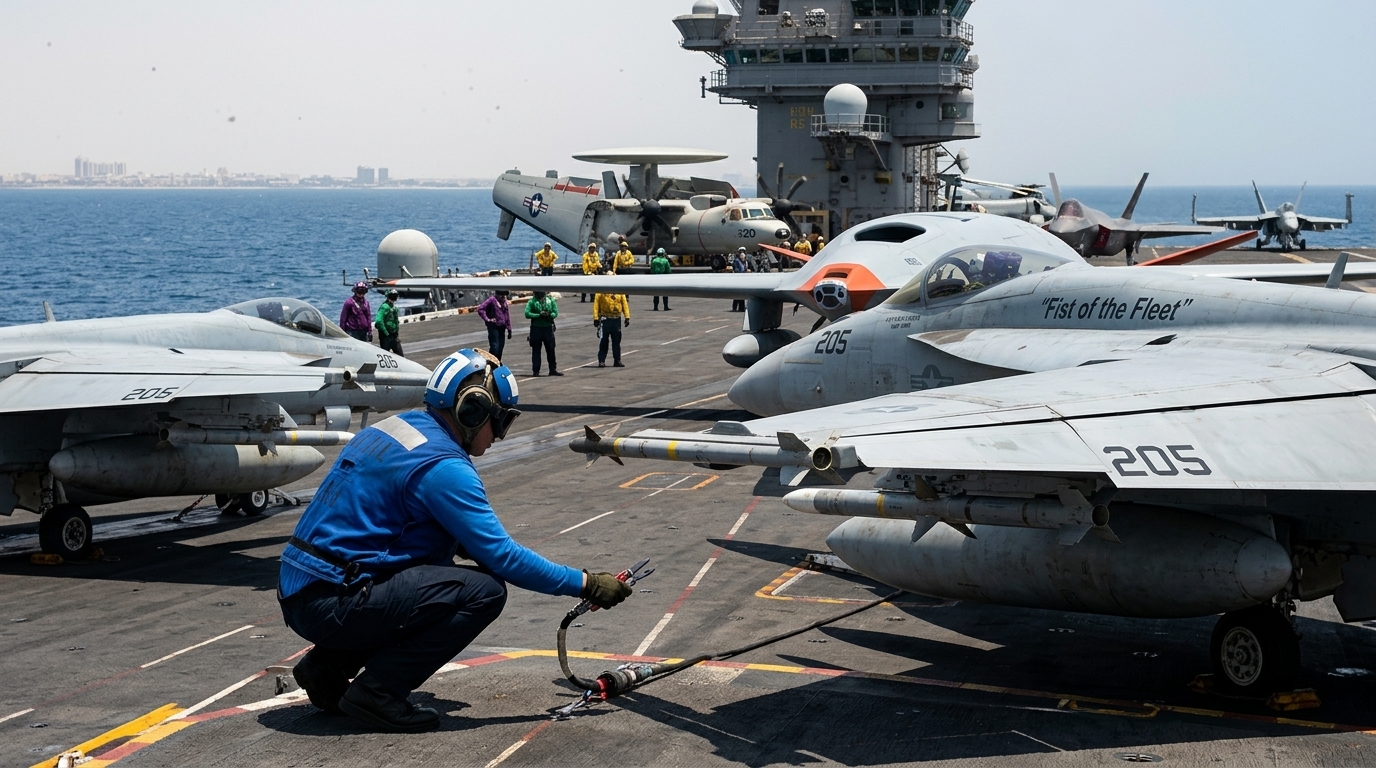
In the heart of the Indo-Pacific, where geopolitical tectonic plates collide with the greatest intensity, technology is no longer merely a supporting tool but the very fabric of national security. The recent "Pacific Operator Training Day" (POTD), hosted by the U.S. Pacific Air Forces (PACAF), marks a critical turning point in the integration of Artificial Intelligence (AI) into the battlefield. This was not a routine exercise; it was the crystallization of a new doctrine: "superiority through information."
The Strategic Imperative of Speed
The Indo-Pacific is defined by the "tyranny of distance." With vast maritime expanses and dispersed military bases, the ability to make rapid decisions is the key to survival. AI, as highlighted during the training, offers the capability to process oceans of data in real-time, allowing operators to identify threats and coordinate strikes at speeds that exceed human cognitive limits.
According to PACAF officials, accelerating AI is not just about automating weapon systems but about enhancing the OODA loop (Observe-Orient-Decide-Act). In an environment where hypersonic weapons and cyberattacks can neutralize traditional defenses within seconds, AI acts as a "force multiplier" that provides the necessary time advantage to decision-makers.
Training the "Human-in-the-Loop"
One of the most significant aspects of Training Day was the emphasis on the human element. Despite technological progress, Air Force leadership insists that AI is not intended to replace the pilot or the analyst, but to augment them. The training focused on building trust between humans and machines.
- Data Analysis: Utilizing algorithms to categorize information from satellites and radars.
- Predictive Maintenance: AI models that predict aircraft failures before they occur, ensuring maximum fleet availability.
- Dynamic Targeting Scenarios: Simulations where AI suggests optimal flight paths to evade enemy air defenses.
As noted during the sessions, the challenge is not only technical but also cultural. Operators must learn to interpret AI recommendations while understanding the limitations and potential biases of the algorithms. "Explainable AI" emerged as a central pillar for future development.
Interoperability and Alliances
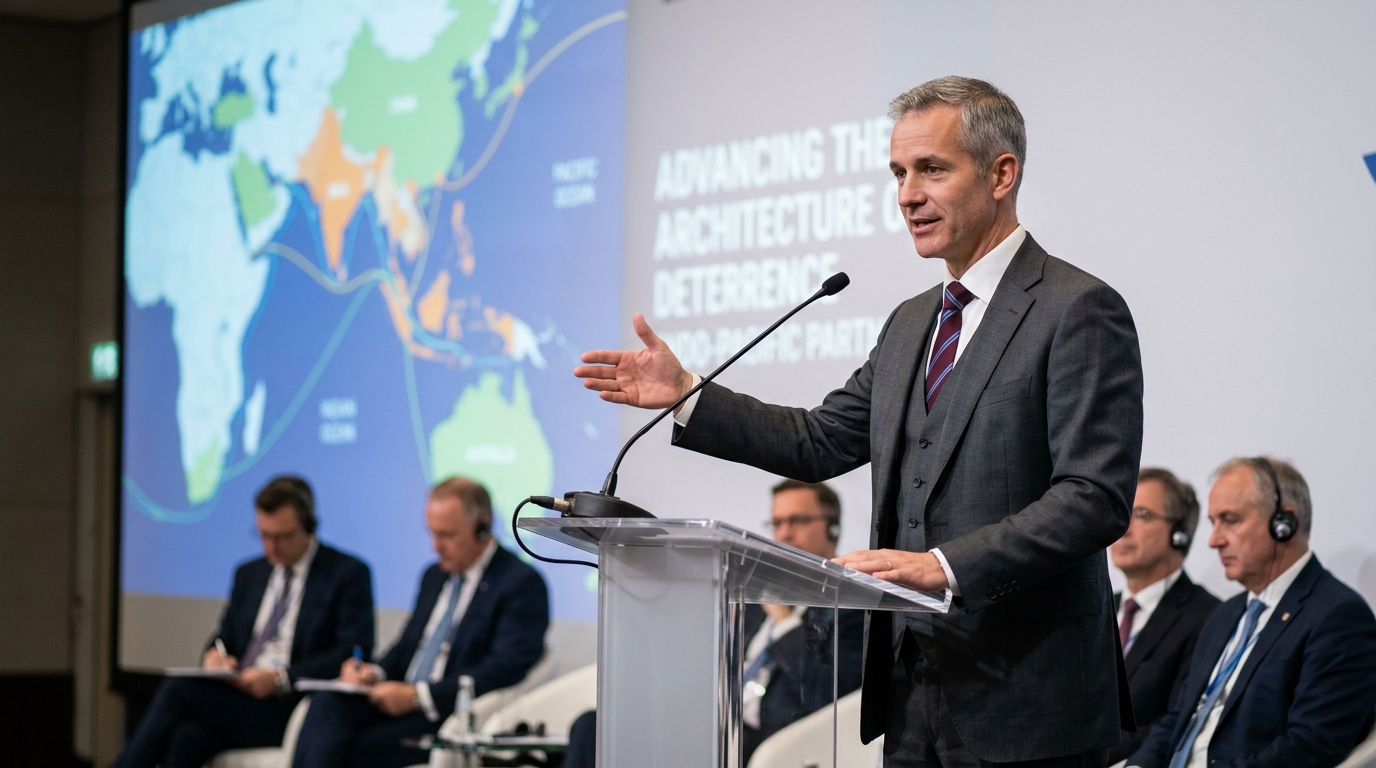
U.S. power in the Pacific rests on its network of allies. The Pacific Operator Training Day was not just about American forces; it was about creating a shared technological ecosystem with partners like Japan, Australia, and South Korea. The concept of JADC2 (Joint All-Domain Command and Control) is at the core of this effort.
"Artificial Intelligence is the common language that will allow allied forces to operate as a single, cohesive body," said a senior PACAF official.
Real-time data sharing between different platforms—from F-35 aircraft to naval units and ground sensors—requires common AI protocols. The training in the Pacific underscores the need for "technological diplomacy," where providing advanced AI tools to allies is part of the broader deterrence strategy against regional adversaries, most notably China.
The Geopolitics of Computational Power
The acceleration of AI in the Indo-Pacific does not happen in a vacuum. It is a direct response to Beijing's massive investments in "intelligentized warfare." China has set a goal to become the global leader in AI by 2030, and the military application of this technology is a central axis of its strategy.
In this context, the Pacific Operator Training Day is a demonstration of readiness. The U.S. seeks to show that it maintains the qualitative edge, not only in building algorithms but in their practical application at the operational level. The battle for the Indo-Pacific will largely be decided by who can process information faster and turn it into action in the field. AI is the key to this equation, turning the Pacific into a vast, digital testing ground for the future of warfare.