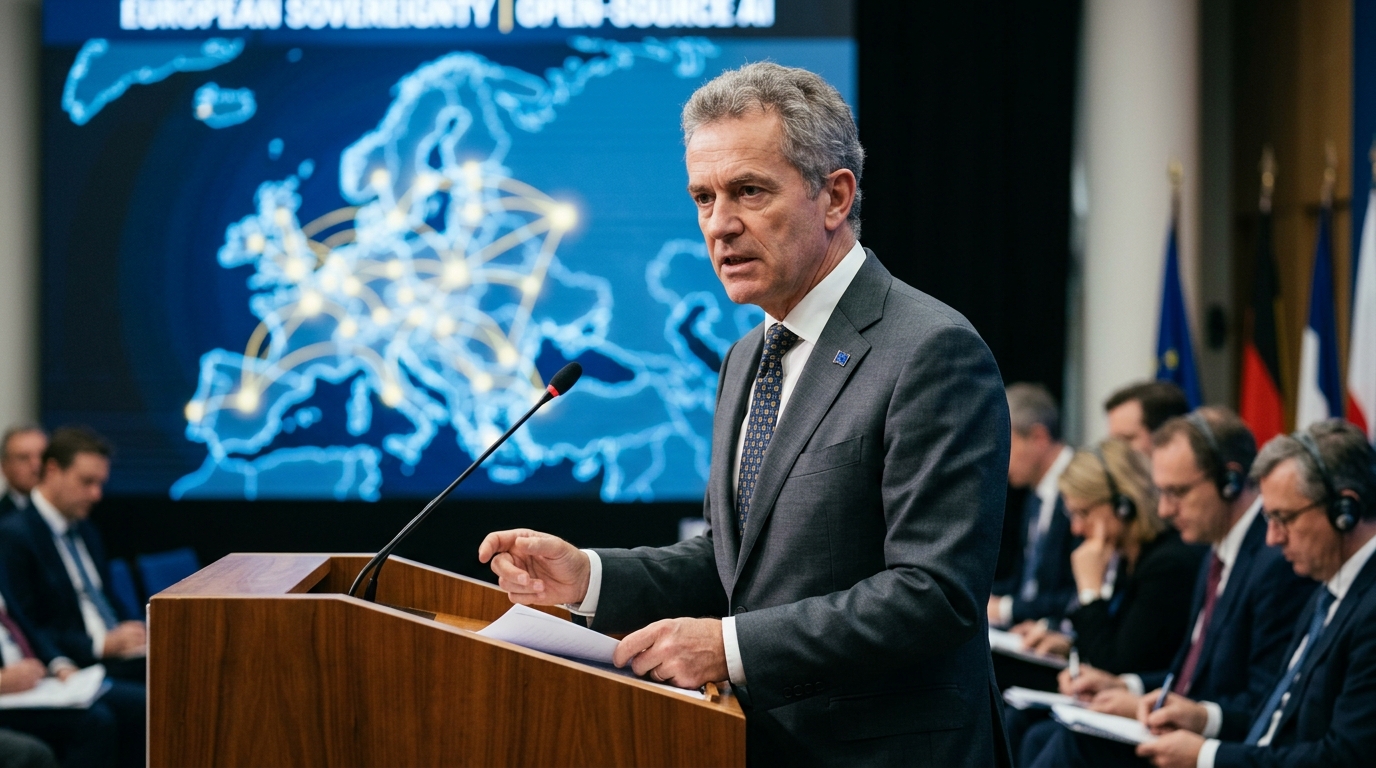
In the fluid geopolitical landscape of 2026, the battle for dominance in Artificial Intelligence (AI) is being fought not only in the laboratories of Silicon Valley or the data centers of Shenzhen, but also in the briefing rooms of Brussels and Paris. Recent reporting from France 24 highlights a critical pivot: Europe now views "open-source" software not merely as a technical preference, but as the cornerstone of its national and continental security.
The Strategy of Open Access
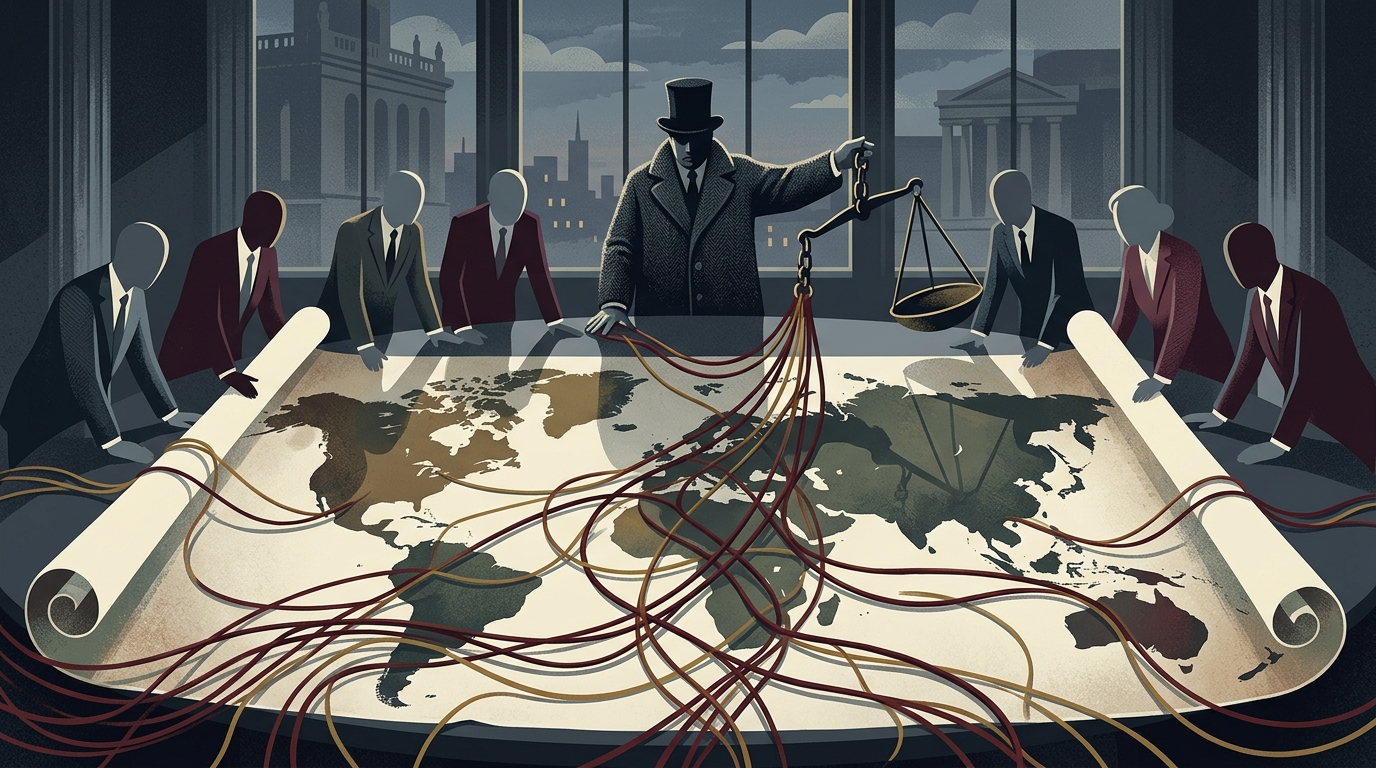
For decades, Europe found itself in a position of dependency, tethered to the proprietary platforms of American tech titans. The rise of large-scale models like OpenAI's GPT-4 introduced a new form of "technological feudalism," where European enterprises and governments were compelled to rent intelligence from foreign entities. France’s response, led by champions like Mistral AI, has been to champion models with open weights, allowing anyone to audit, modify, and host the technology on their own infrastructure.
This approach is about more than just code; it is about digital sovereignty. As French officials emphasize, if Europe does not own the foundations of AI, it will remain a mere consumer in an economy controlled from abroad. Open-source software enables a "decoupling" from proprietary stacks, lowering costs for Small and Medium Enterprises (SMEs) and ensuring that European data remains under European jurisdiction.
The Regulatory Paradox and Corporate Resistance
The implementation of the European Union's AI Act has been a major point of contention. While the legislation aims to protect citizens, there were intense fears that rigid rules would stifle open-source innovation. However, Paris and Berlin successfully lobbied for exemptions favoring open-source development, arguing that transparency is inherently safer than the "black boxes" of proprietary systems.
"Open technology is the only path toward a democratic Artificial Intelligence. Without it, we are handing the keys to our collective cognition to a select few in Palo Alto," stated a senior tech advisor at the Élysée Palace.
Conversely, companies like OpenAI and Google maintain that open models pose significant security risks, potentially enabling bad actors to engineer biological threats or launch sophisticated cyberattacks. Europe largely views these warnings as a form of "regulatory capture" designed to maintain market monopolies and prevent the rise of agile competitors.
Economic Resilience and the Path Ahead
Investing in open-source AI is expected to act as a power multiplier for the European economy. By allowing developers to build upon existing models without paying exorbitant licensing fees, the EU hopes to foster an innovation ecosystem capable of rivaling the United States. France, in particular, has managed to attract billions in venture capital, proving that "open" can also be highly profitable.
In conclusion, Europe's decision to back open-source AI is an act of geopolitical survival. In a world where computational power translates directly into political leverage, maintaining access to the source of that power is the only guarantee that the Old Continent remains a protagonist rather than a spectator in the digital age.