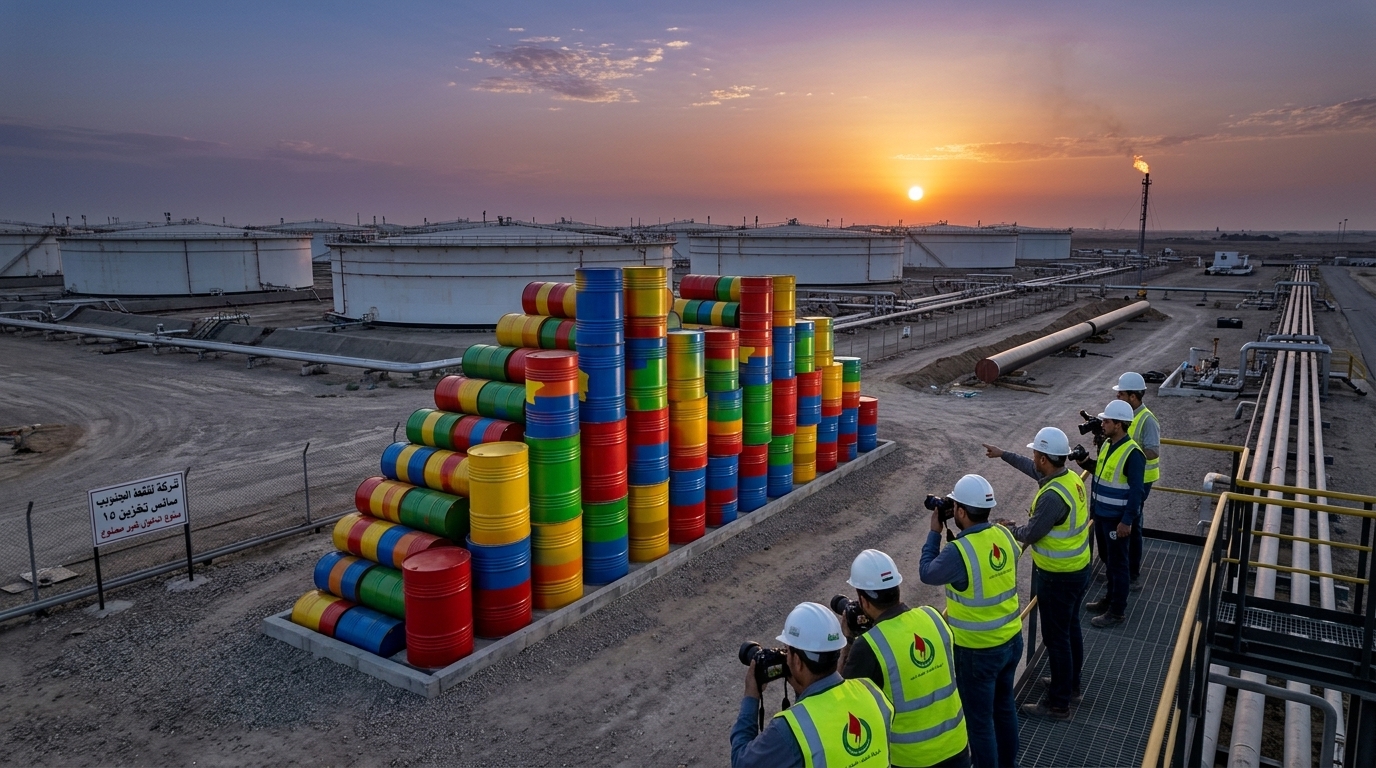
In an era where the global energy architecture is being rocked by geopolitical tremors, the proposal by IEA Executive Director Fatih Birol for a new energy corridor between Iraq and Turkey is far more than a mere infrastructure project; it is a strategic masterstroke on the geopolitical chessboard. The concept of linking Basra, the energy heartland of southern Iraq, directly to the Turkish port of Ceyhan aims to bypass the Strait of Hormuz—the world’s most vulnerable and critical oil transit chokepoint.
The Strategic Marginalization of the Strait of Hormuz
For decades, the Strait of Hormuz has functioned as the "jugular vein" of the global economy. With approximately 20% of global oil consumption passing through this narrow waterway daily, any instability—whether stemming from the perennial tensions between Iran and the West or the recent Houthi maritime attacks—instantly triggers price volatility in international markets. Fatih Birol, recognizing this systemic risk, is advocating for an alternative that would allow Iraq, OPEC’s second-largest producer, to export its crude without being hostage to Tehran’s strategic whims or the insecurity of maritime routes.
This proposal emerges as Baghdad attempts to strike a delicate balance between domestic political pressures and the urgent need for economic reconstruction. A pipeline traversing the length of Iraqi territory from the south to the Turkish border would provide a reliable revenue stream, insulated from the regional skirmishes that frequently paralyze exports from the Persian Gulf.
Turkey as an Energy Broker and the Western Stake
For Ankara, this plan represents the "Holy Grail" of its energy diplomacy. Turkey has long sought to position itself as an indispensable energy hub connecting the East with Europe. The addition of a high-capacity pipeline from Basra would significantly bolster its leverage over the European Union, making Turkey a vital guarantor of the continent’s energy security. Furthermore, it offers a potential resolution to the long-standing disputes between Baghdad and the Kurdistan Regional Government (KRG) over oil exports, as a new, federally controlled pipeline could bypass the legal and political entanglements of the existing Kirkuk-Ceyhan line.
"Energy security is no longer just about price; it is about geography. Diversifying transit routes is becoming as critical as diversifying energy sources themselves," industry analysts observe.
However, the project is not without its formidable challenges. Construction costs are estimated in the billions of dollars, and securing infrastructure in regions previously destabilized by extremist groups remains a significant concern. Moreover, Tehran is certain to view such a move as a direct attempt to diminish its geopolitical leverage, as its control over the Strait of Hormuz remains its most potent bargaining chip on the world stage.
The 'Development Road' and the Pipeline Synergy
Birol’s proposal does not exist in a vacuum. It is intrinsically linked to the ambitious "Development Road" project, championed by the Iraqi government with the backing of Turkey, Qatar, and the UAE. This 1,200-kilometer network of railways and highways aims to connect the Grand Faw Port in southern Iraq to the Turkish border. Integrating a major oil and gas pipeline into this "dry canal" would create a comprehensive economic corridor capable of rivaling the Suez Canal in terms of commercial importance.
In conclusion, the proposed Basra-Ceyhan pipeline represents a concerted effort to "de-risk" the global energy market from Gulf-centric volatility. If realized, it would signal a historic shift of power toward the Baghdad-Ankara axis, reshaping Middle Eastern balances for decades to come. The West now faces a pivotal decision: whether to invest in this new corridor and accept the enhanced role of Turkey in exchange for securing the flow of "black gold" away from the shadows of Hormuz.