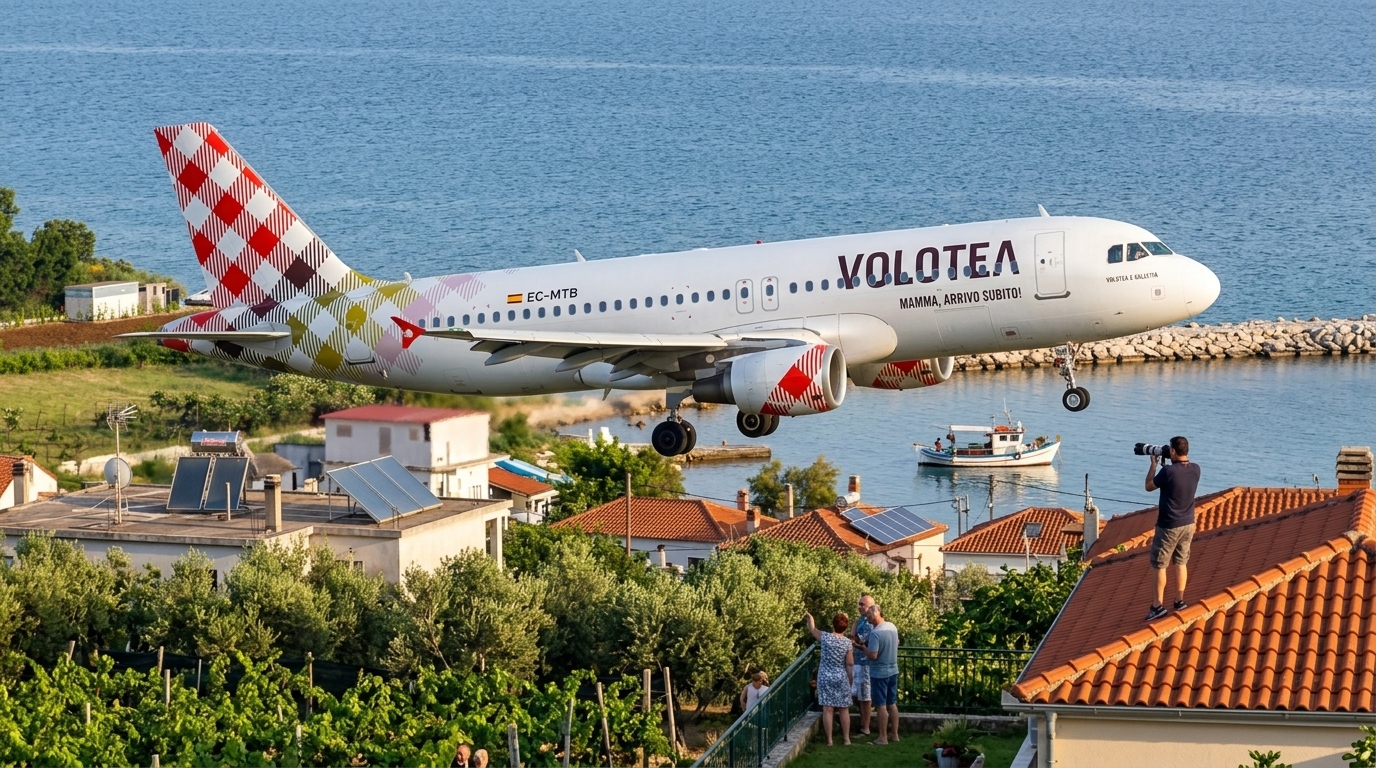
In a move that has sent shockwaves through the European aviation market, low-cost carrier Volotea has introduced a practice that many consider unprecedented and legally dubious: imposing additional fuel surcharges after a ticket purchase has been finalized. This move is not merely a commercial decision but a direct challenge to the European regulatory framework governing price transparency and consumer protection.
Passengers who had already booked and paid for their seats on upcoming flights began receiving notifications requesting an additional payment—typically ranging from €1.50 to €5.00 per leg—citing the unpredictable rise in fuel prices. While the amount might seem small in absolute terms, the principle at stake is fundamental: Can a transport contract be unilaterally modified regarding its price after it has been settled?
The Legal Loophole and Regulation 1008/2008
Volotea appears to base its move on the "fine print" of the Terms and Conditions (T&Cs) that users accept during booking. Specifically, the company cites clauses that allow it to adjust the price in the event of extreme fluctuations in fuel costs. However, European legislation, particularly Regulation (EC) 1008/2008, clearly states that the final price to be paid must include all applicable fares, taxes, and charges that are unavoidable and foreseeable at the time of publication.
Legal circles and consumer protection organizations, such as the Spanish OCU and the Greek EKPIZO, argue that such clauses are unfair. The principle of transparency requires the consumer to know the full cost of the service before committing. Shifting business risk—in this case, oil price volatility—from the company to the customer is seen by many as a violation of the contractual balance.
Economic Pressure on Low-Cost Carriers
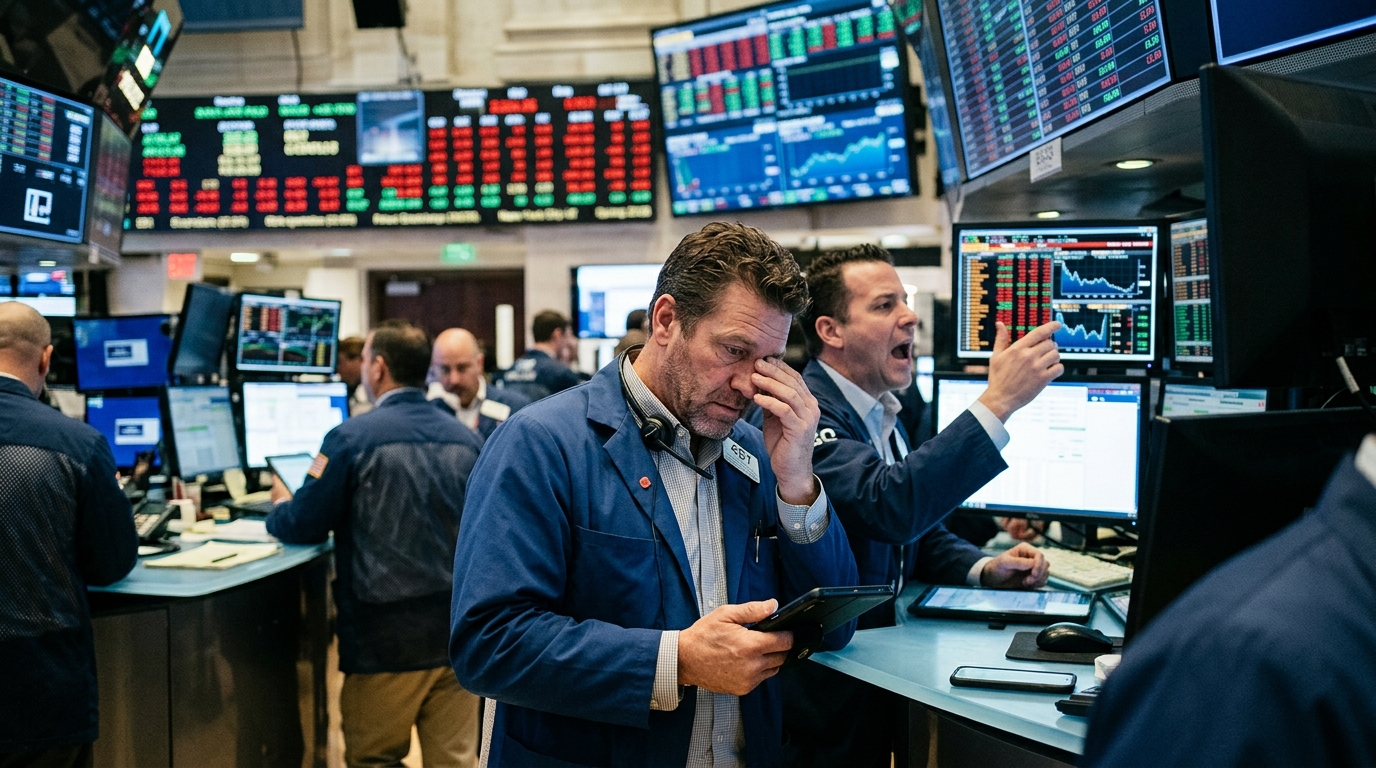
To understand why Volotea has taken this step, we must look at the broader economic environment. Low-cost carriers operate on razor-thin profit margins. Geopolitical instability and energy price fluctuations have made expenditure planning extremely difficult. While traditional carriers use sophisticated fuel hedging methods to lock in prices months in advance, smaller companies are often more exposed to market spot prices.
However, Volotea's decision to ask for a "supplement" from existing customers suggests a desperate attempt to protect liquidity. If this practice is accepted or if the regulatory response is lukewarm, there is a risk of creating a dangerous precedent. Could we soon see "inflation surcharges" or "labor cost surcharges" added to hotel bookings or car rentals after the purchase?
Consumer Reaction and Their Options
The reaction on social media was immediate and angry. Many passengers feel they are being held "hostage," as refusing to pay the surcharge could lead to the cancellation of the booking, often just days before the trip when alternative options are prohibitively expensive. Volotea offers the option of a full refund to those who do not accept the charge, but for a traveler who has already arranged accommodation and leave, the refund of the fare does not cover the total loss.
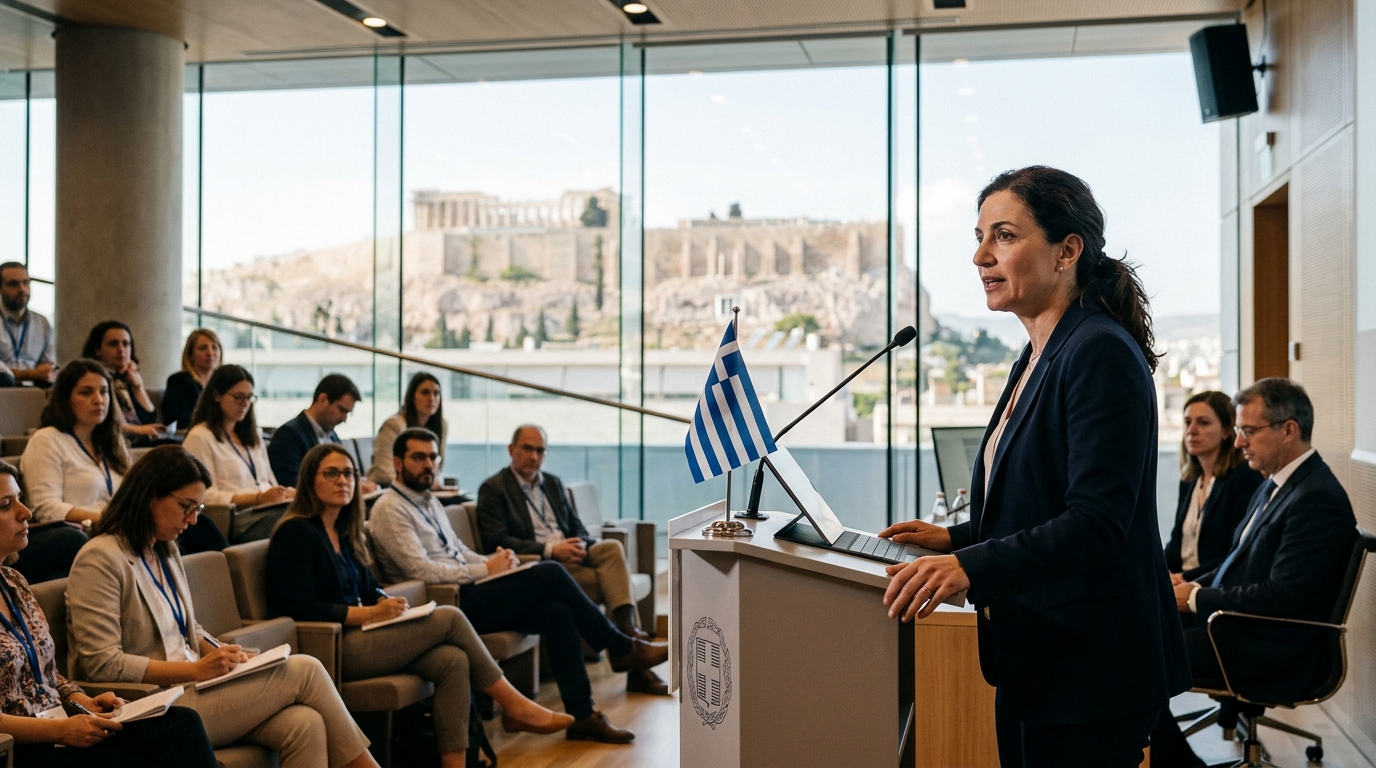
Experts advise consumers to keep all correspondence and file formal complaints with national civil aviation authorities. In Greece, the Civil Aviation Authority (CAA) is called upon to examine whether this practice complies with the competition and consumer protection rules applicable in Greek territory.
Conclusion: The Future of Aviation
The Volotea case is a wake-up call for the end of the era of "clear" low fares. As operating costs rise due to EU environmental regulations (such as the Emissions Trading System) and energy crises, companies will seek increasingly imaginative—and sometimes borderline—ways to maintain profitability. The challenge for regulators is to ensure that pricing innovation does not turn into consumer deception. The credibility of the aviation industry relies on the trust that the price the customer sees on their screen is the price they will pay.