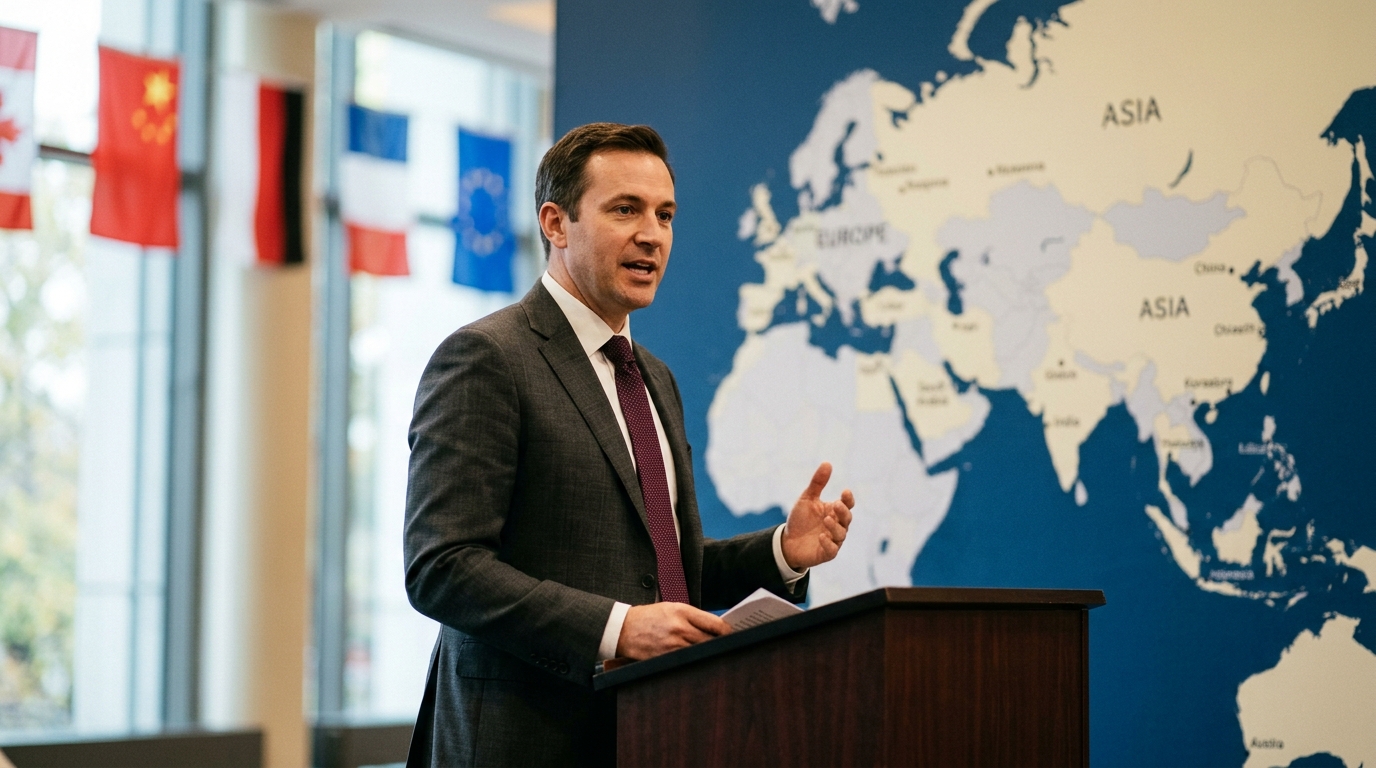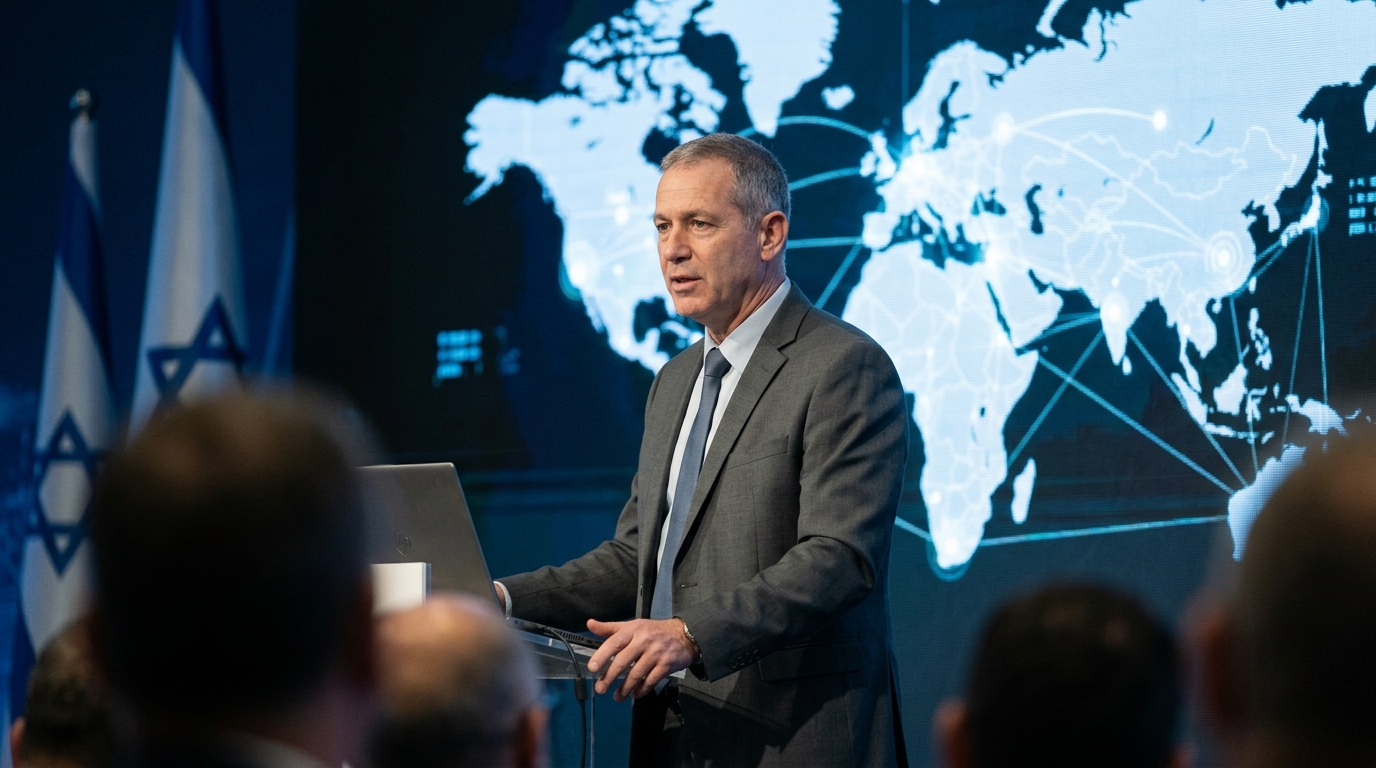
The recent meeting between Greek Prime Minister Kyriakos Mitsotakis and Bulgarian President Rumen Radev was not merely a routine diplomatic engagement, but a confirmation of a historic shift in the balances of Southeast Europe. In an era where geopolitical fluidity prevails due to the war in Ukraine and energy realignments, Athens and Sofia are choosing the path of strategic convergence, transforming old Cold War rivalries into a model for regional cooperation.
The Vertical Energy Corridor and Decoupling from Moscow
The central point of the discussions was undoubtedly energy. Greece is emerging as a key gateway for natural gas for the entirety of Central and Eastern Europe through the "Vertical Corridor." The operation of the FSRU terminal in Alexandroupolis and the interconnection with the IGB (Interconnector Greece-Bulgaria) pipeline are the "arteries" that allow Bulgaria and neighboring countries to permanently sever the umbilical cord with Russian natural gas.
The Prime Minister emphasized that energy security is no longer a national issue but a collective one. The cooperation also extends to energy storage, with Bulgaria offering its facilities in Chiren for the storage of Greek reserves, thus ensuring a reciprocal relationship of trust. This strategy reduces costs for consumers and shields economies against potential blackmail from third powers.
Water Management: The Ardas River Issue
One of the most sensitive and critical topics on the agenda was the management of cross-border waters, centered on the Ardas River. The previous agreement on water flow had expired, causing concern among farmers in Thrace regarding the irrigation of their crops. The commitment of both leaders to a new, long-term, and mutually beneficial agreement shows that "water diplomacy" can act preemptively against the climate crisis.
Greece seeks a steady flow of water that will guarantee environmental balance and economic activity in the region, while Bulgaria recognizes the need for joint resource management within the framework of European directives. This move proves that the two countries view their borders not as barriers, but as points of contact and shared responsibility.
Defense and Connectivity: The Sea2Sea Project
In the field of defense, cooperation within NATO is being strengthened, with a particular emphasis on Black Sea security. Athens and Sofia agreed on the need to enhance infrastructure that allows for the rapid movement of allied forces, a fact directly linked to the ambitious Sea2Sea project. This project envisions the railway connection of Northern Greek ports (Thessaloniki, Kavala, Alexandroupolis) with Bulgarian Black Sea ports (Burgas, Varna) and the Danube.
"Greece and Bulgaria constitute the axis of stability that Europe needs in a turbulent region. Our synergy transcends bilateral boundaries and affects the overall security architecture of the EU," Kyriakos Mitsotakis noted.
The creation of this alternative commercial and military corridor bypasses the Bosphorus Straits, offering a faster and safer route for goods and military supplies. This enhances the geopolitical value of the region and places Greece and Bulgaria at the heart of new European transport networks.
Conclusions and Future Prospects
The strategic relationship between Greece and Bulgaria is no longer an option of necessity, but a conscious investment in the future. This convergence sends a loud message to the Western Balkans and Turkey: stability and prosperity are achieved through respect for international law and economic integration. As Europe seeks new ways to ensure its autonomy, the Athens-Sofia axis is emerging as one of the most successful examples of regional cooperation on the continent.