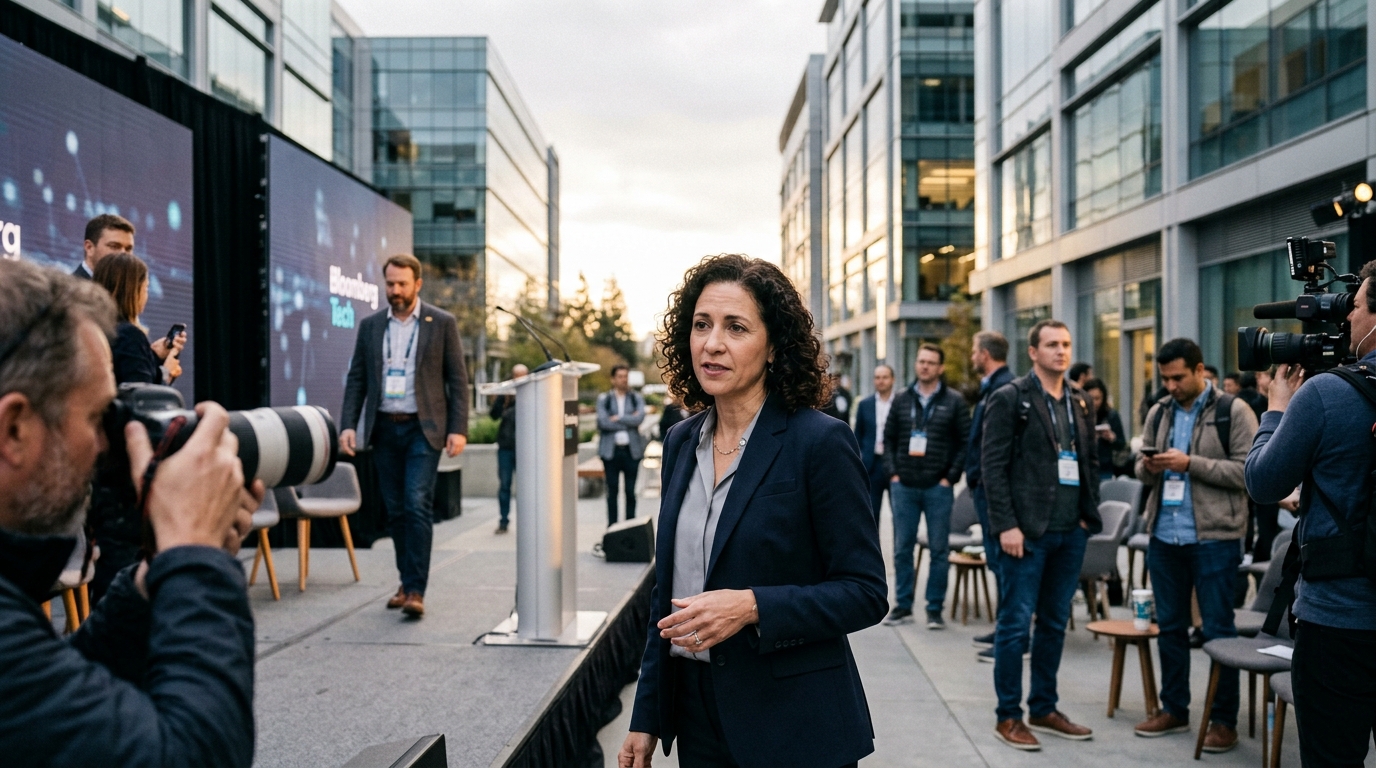
As the doors opened at this year's Bloomberg Tech Conference, the atmosphere was a far cry from the unbridled euphoria of previous years. June 2026 finds the global technology community in a phase of mature introspection. While Artificial Intelligence (AI) remains the undisputed protagonist, the dialogue has shifted from "what it can do" to "how it will pay for itself" and "how much energy it will consume." Silicon Valley leaders, Wall Street bankers, and policymakers gathered to dissect the next phase of a revolution that no longer apologizes for its resource-intensive nature.
The Pivot to Agentic AI
One of the dominant trends highlighted at the conference is the rise of AI Agents. Unlike the chatbots of 2023 and 2024 that merely answered questions, this year's stars are systems capable of taking action. Speakers described a world where AI is no longer a digital assistant but an autonomous collaborator that can close deals, manage supply chains, and resolve complex programming issues without human intervention.
As noted in panels featuring top executives from OpenAI and Anthropic, "Agentic AI" represents the transition from generative to action-oriented workflows. However, this raises serious questions about accountability and safety. "If an AI agent causes financial loss to a company, who bears the liability?" one analyst asked, highlighting the legal vacuum that the EU and the US are still struggling to fill.
The Energy Wall and the Nuclear Solution
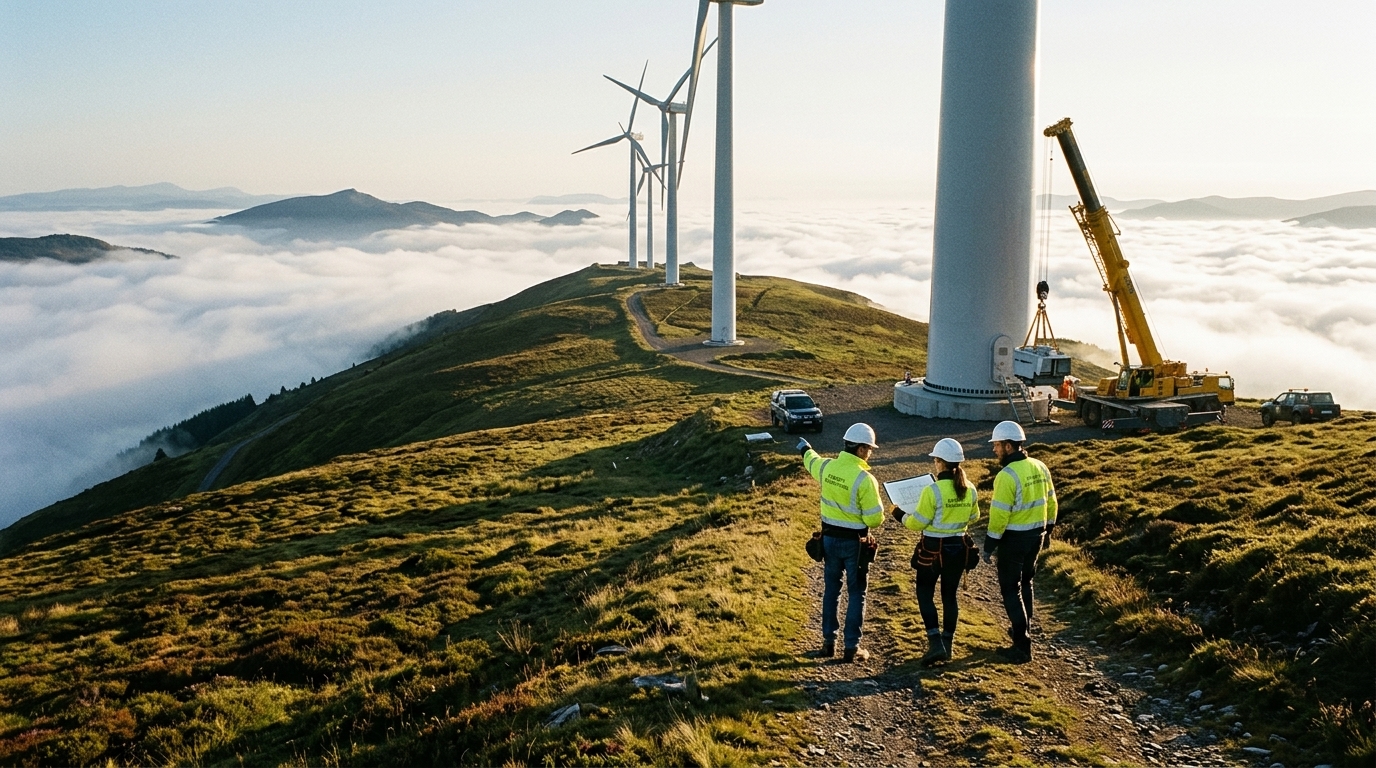
Perhaps the most discussed topic in the hallways of the conference was the massive energy hunger of data centers. AI is no longer just a matter of code; it is a matter of infrastructure. Tech giants like Microsoft and Google admitted that achieving their net-zero carbon goals is becoming increasingly difficult due to the exponential growth in demand for computing power.
"We are no longer just building software; we are building the energy grid of the future," a CEO of a major semiconductor company remarked.
The conversation quickly turned to nuclear energy. Investments in Small Modular Reactors (SMRs) and deals to restart decommissioned nuclear plants were presented as the only viable solution to power the AI models of 2027 and beyond. The geopolitical dimension of this need is clear: countries that secure cheap, abundant energy will be the ones leading the AI race.
The Dominance of Giants and Startup Strategy
On the business front, the conference underscored a harsh reality for startups. The era where any company with "AI" in its name could secure funding is long gone. Investors are now much more selective, looking for companies that possess proprietary data and a clear path to profitability. "Big Tech" continues to dominate, not just because of capital, but because of their control over compute power.
- Market Consolidation: Many smaller AI companies are being absorbed by giants, often through "acqui-hires" that bypass traditional antitrust scrutiny.
- Specialization: Successful startups are now focusing on vertical AI—such as medical diagnostics or legal research—rather than trying to compete with the general-purpose models of Google or Meta.
- The Talent War: The battle for top AI researchers remains fierce, with salaries reaching levels that only a handful of companies globally can afford.
In conclusion, the 2026 Bloomberg Tech Conference made it clear that Artificial Intelligence is entering the execution phase. The magic of the early days has been replaced by the cold logic of compute power, energy strategy, and fiscal discipline. The message for global markets is clear: software innovation is no longer enough if it isn't backed by massive infrastructure investment and a bold energy policy.