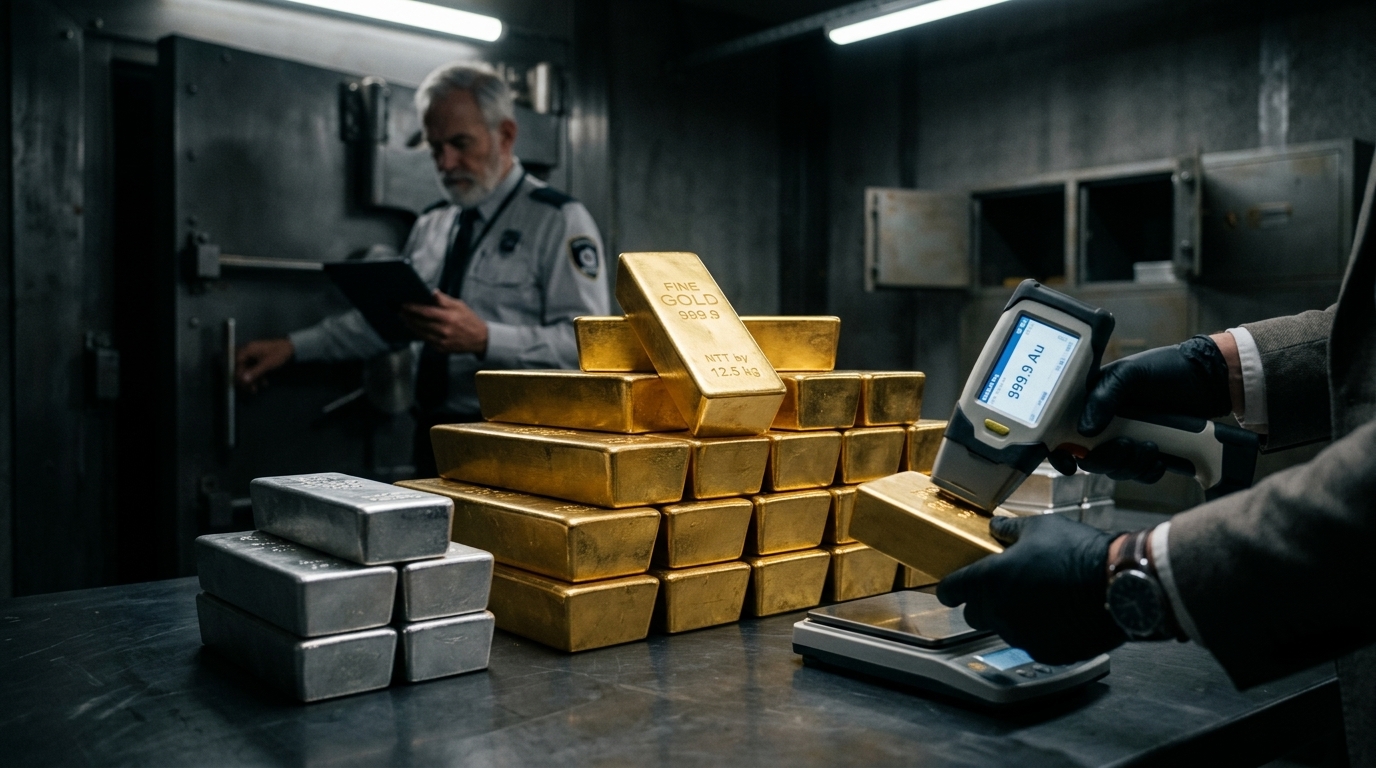
In an era where the digital economy and artificial intelligence promise to redefine humanity, the world's oldest symbol of wealth—gold—is making a triumphant return to the spotlight. The precious metal's recent trajectory is not merely a stock market statistic but a mirror of the profound anxieties gripping the global system in the summer of 2026. As geopolitical tectonic plates shift violently in the Middle East and central banks grapple with the ghost of inflation, gold emerges once again as the ultimate arbiter of value.
The Middle East as a Catalyst for Uncertainty
Geopolitical instability is traditionally the fuel for gold rallies. In the current context, the escalation of tensions in the Middle East has transcended the boundaries of a local conflict, directly impacting global supply chains and energy prices. Investors, witnessing the risk of a broader regional conflagration, are abandoning riskier assets in search of the security offered by this premier 'safe haven'.
The market psychology is clear: as long as diplomacy fails to provide lasting solutions, demand for physical gold will continue to climb. This is not just about speculative moves, but a survival strategy for major capital holders. History has shown that in times of war, paper loses its value while metal retains its purchasing power. In the Middle East, the involvement of powers controlling the Strait of Hormuz or the Red Sea adds a layer of complexity that frightens analysts, as a disruption in oil flow could ignite a new wave of stagflation.
The Interest Rate Riddle and the Federal Reserve
Alongside the cannons of geopolitics, the 'battle' of central banks rages on. Gold's relationship with interest rates is historically inverse. When rates are high, gold—which yields no dividend or interest—becomes less attractive. However, in 2026, we stand at a critical tipping point. The U.S. Federal Reserve (Fed) faces a dilemma: maintain high rates to tame stubborn inflation or cut them to prevent an impending recession?
Markets are now betting on a gradual loosening of monetary policy. The prospect of lower interest rates reduces the 'opportunity cost' of holding gold, making it more attractive to institutional investors. Furthermore, a weakening dollar, which typically accompanies falling rates, makes gold cheaper for holders of other currencies, further boosting demand. The Fed, in its attempt to achieve a 'soft landing' for the economy, is walking a tightrope, and gold serves as the safety net for those who mistrust its maneuvers.
Central Bank Strategy and De-dollarization
One of the most significant yet under-discussed aspects of the current rise is the behavior of central banks, particularly in Asia and Eastern Europe. In recent years, we have observed a massive accumulation of gold reserves by countries such as China, India, and Turkey. This trend is directly linked to the desire for 'de-dollarization' of the global economy.
"Gold is no longer just an investment tool, but a geopolitical weapon in the hands of nations seeking to shield their sovereignty against Western sanctions," market analysts report.
The use of the dollar as a means of economic pressure has pushed many emerging economies to seek alternatives for their foreign exchange reserves. Gold, being an asset with no 'counterparty risk', represents the ideal solution. This steady, long-term demand from the official sector creates a strong 'floor' for the metal's price, preventing major corrections even when market conditions temporarily improve.
Conclusion: What Do Investors Fear?
At the end of the day, investor fear is not just about a price point or an interest rate. It is the fear of losing control. In a world where AI can generate fake news and algorithms control transactions in milliseconds, gold offers something tangible and indisputable. Investors fear that the current financial system, built on debt and trust in governments, is more fragile than it appears.
The Middle East and interest rates are merely the catalysts. The underlying cause is the quest for stability in an era of radical change. Gold will continue to shine as long as humanity struggles to find a way to manage its conflicts and economic imbalances. For the average investor, holding gold in 2026 is not speculation; it is an insurance policy against a future that seems increasingly unpredictable.