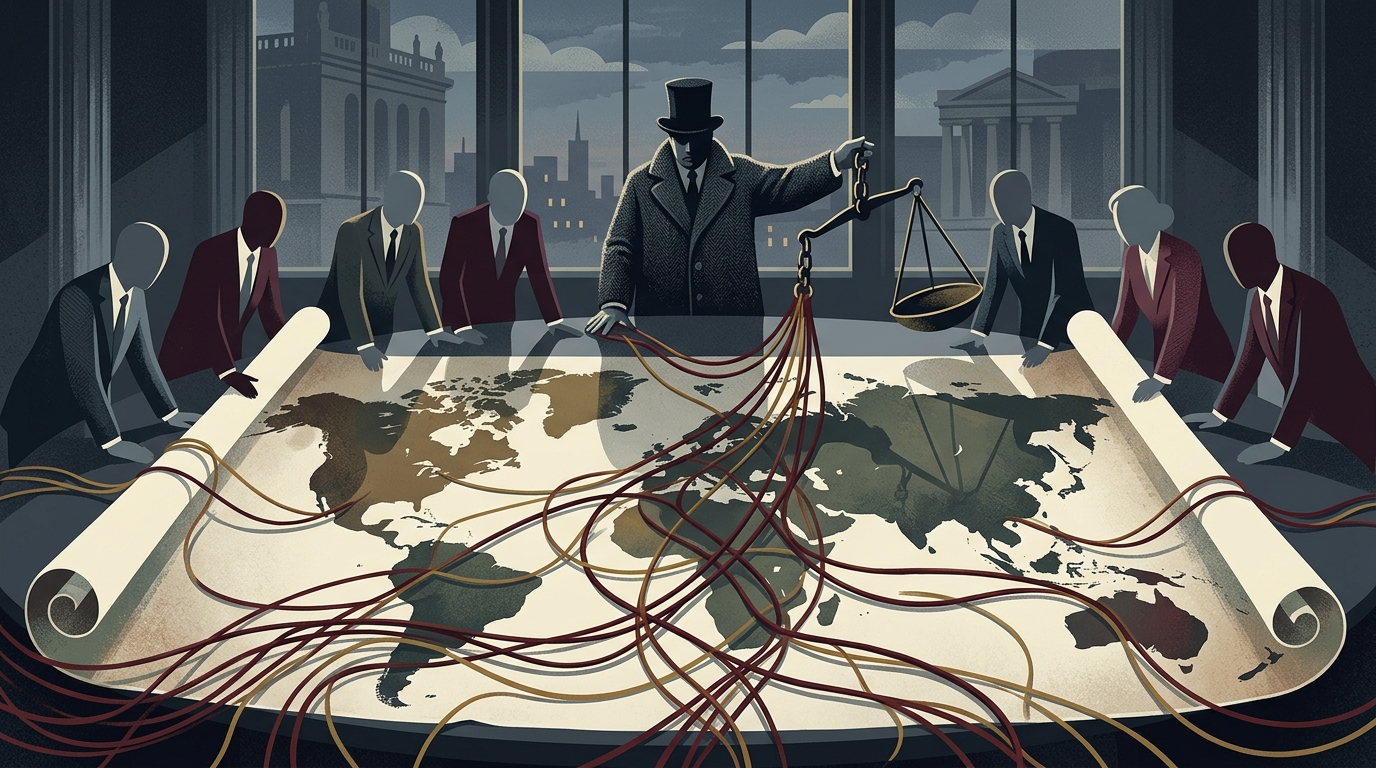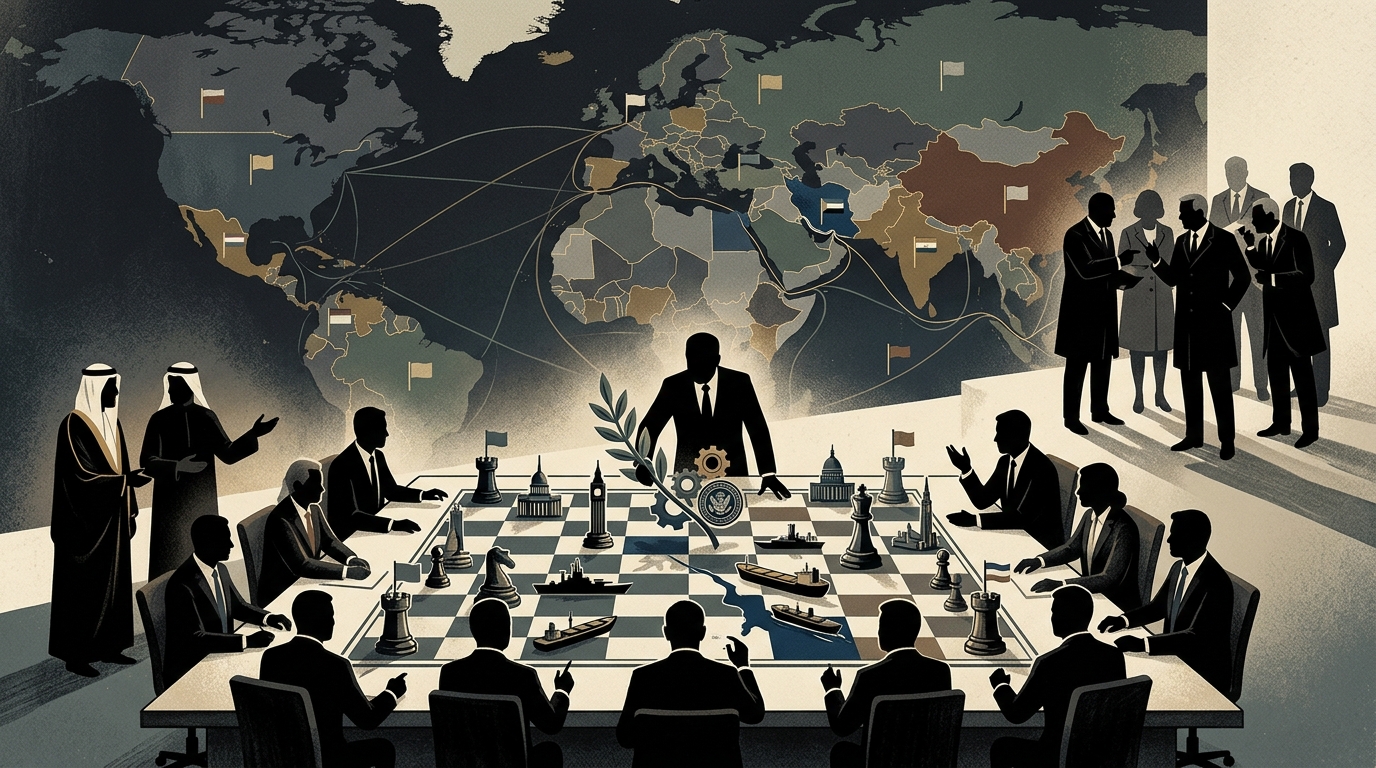
The Middle East is once again at a critical crossroads, with the Trump administration facing a dual challenge: escalating military tension in the Strait of Hormuz and a looming constitutional showdown at home. As the 60-day deadline mandated by the War Powers Resolution for Congressional approval of military operations nears its expiration, signals from the White House suggest a readiness to bypass the legislative branch entirely.
The 60-Day Ultimatum and Executive Overreach
The War Powers Resolution of 1973, a legacy of the Vietnam War era, was designed to limit the President's ability to commit the nation to hostilities without explicit consent from Congress. Today, as U.S. forces bolster their presence in the Persian Gulf, the Trump administration argues that the current "fragile ceasefire" in the region provides the legal grounds to maintain operations without new authorization. The White House's rationale hinges on the idea that deterrence does not constitute active hostility—an interpretation drawing sharp criticism from Democrats and a faction of isolationist Republicans alike.
Trump’s strategy appears to be the creation of a 'fait accompli.' By invoking the need for "decisiveness" against Tehran, the President is attempting to redefine the boundaries of executive power. If Congress is ignored, it will not merely be a geopolitical maneuver but a structural rupture that could permanently alter the balance of power in Washington. Markets, sensing the uncertainty, are watching with bated breath, as institutional instability in the U.S. often translates into volatility in global oil prices.
Hormuz: The Global Trade Artery Under Fire
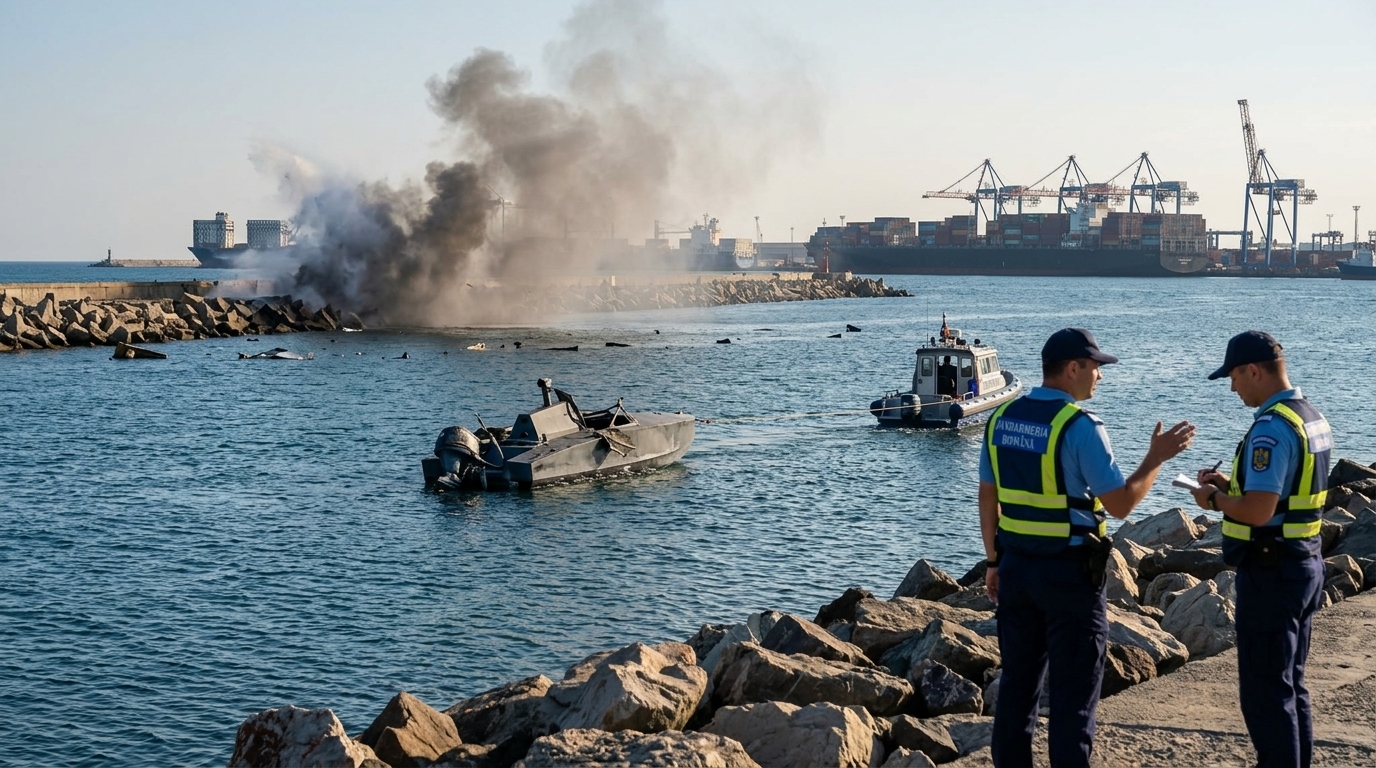
The Strait of Hormuz remains the most vital chokepoint for global energy security. Approximately 20% of the world's oil consumption passes through this narrow waterway between Oman and Iran. Recent reports of tanker harassment and increased activity by the Revolutionary Guard have sent tensions soaring. The U.S. Navy's presence in the area is intended to ensure freedom of navigation, yet that very presence acts as a lightning rod for escalation.
- The threat of closing the Strait could send crude prices skyrocketing above $120 per barrel.
- Marine insurance companies have already hiked risk premiums for vessels traversing the Gulf.
- Regional players like Saudi Arabia and the UAE remain on high alert, balancing their reliance on U.S. protection with the fear of a direct hit to their infrastructure.
The situation is further complicated by the technological evolution of the weaponry involved. Swarms of kamikaze drones and next-generation sea mines make protecting commercial shipping an incredibly difficult and costly endeavor. Despite his "America First" rhetoric, the Trump administration finds itself tethered to the necessity of safeguarding a global supply chain upon which the American economy itself depends.
Geopolitical Implications and Iran’s Calculated Response
Iran, for its part, is playing a calculated game of patience and provocation. Aware of the internal political friction in the U.S., Tehran seeks to exploit the power vacuum created by the clash between the White House and Congress. The Iranian leadership understands that while Trump avoids a full-scale war, he cannot afford to appear weak. This balance of terror is what makes the situation in the Strait of Hormuz so volatile.
"Peace through strength requires not just military might, but political legitimacy," notes an analyst from the Brookings Institution. "If Trump moves forward without Congress, he hands Iran the argument that the U.S. is acting outside both international and domestic law."
Furthermore, the involvement of third-party powers like China and Russia adds layers of complexity. Beijing, as the largest importer of Gulf oil, has every reason to desire stability, yet it does not mind seeing U.S. influence wane or Washington consumed by internal strife. The Middle East of 2026 is not the region we once knew; it is a field where traditional diplomacy is being replaced by the cynicism of the powerful and the anxiety of the markets.
Conclusion: An Uncertain Horizon
As the clock ticks down, the question is not only whether a conflict will erupt in the Gulf, but whether the American political system can withstand another stress test of its institutions. The "burning" Middle East and the "fretful" Hormuz are symptoms of a deeper crisis in the global order. Markets will continue to worry, not just about oil, but about the very predictability of the world’s sole superpower. Trump’s next move will determine if the current ceasefire evolves into a lasting peace or if the Strait of Hormuz becomes the stage for a new global conflagration.