At a critical juncture for stability in the Eastern Mediterranean, French President Emmanuel Macron has reaffirmed Paris's long-standing commitment to Lebanon, calling for an immediate and definitive cessation of hostilities. His statement that "nothing justifies the ongoing major escalation" is not merely a diplomatic wish but a stark warning about the risk of total destabilization in a country already on the brink of collapse. Today, May 31, 2026, the geopolitical chessboard in the region is more complex than ever, with Lebanon serving as the epicenter of a conflict that transcends its borders.
Historical Responsibility and France's Role
France, as the former mandatory power, maintains a "tendre mère" (tender mother) relationship with Lebanon, which is frequently tested by the harsh realities of the Middle East. Macron has invested significant political capital in trying to save Lebanon, from his high-profile visits following the 2020 Beirut port explosion to recent mediation initiatives. However, his rhetoric that "it is urgent for the weapons to fall silent" faces a brutal reality: the central government in Beirut’s inability to control events in the south of the country.
French diplomacy seeks to balance support for Lebanese sovereignty with recognition of Israel's legitimate security concerns. Paris is well aware that a general conflagration in Lebanon would trigger a new wave of refugee flows toward Europe, increasing pressure on already fragile European societies. For this reason, Macron's plea is directed not only at the warring parties but also at the international community, calling for more active involvement in implementing UN Security Council Resolution 1701.
The Geopolitical Chessboard and the Shadow of Iran
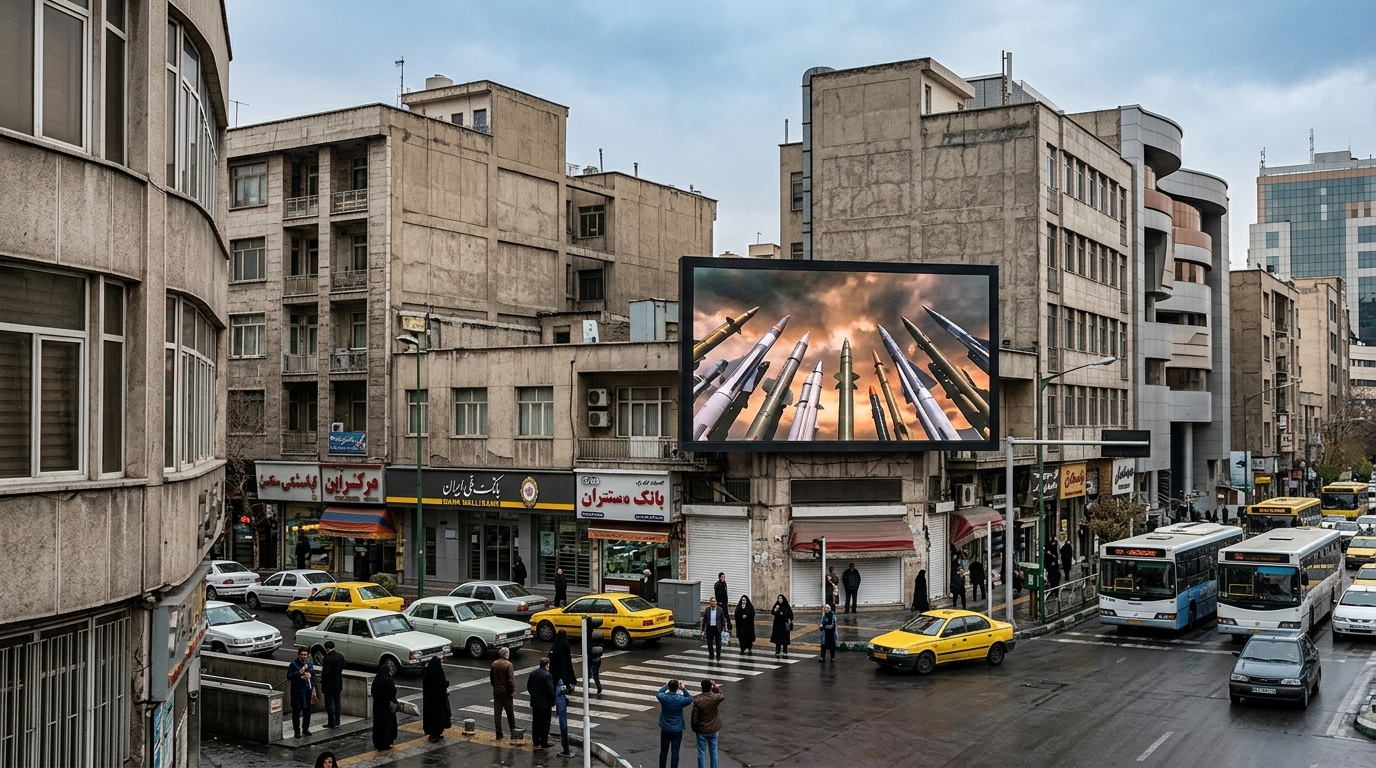
The escalation in southern Lebanon is not an isolated border dispute. It is part of a broader geopolitical competition where Hezbollah serves as Iran's most powerful regional arm. Macron, seeking a bridge-building role, has repeatedly attempted to open communication channels with Tehran, hoping to persuade the Iranian leadership to restrain its allies. However, the effectiveness of this strategy is deeply questioned by analysts and allies alike.
- Hezbollah's military strength now exceeds that of the regular Lebanese army.
- Political paralysis in Beirut, marked by a prolonged presidential vacuum, makes strategic decision-making impossible.
- The international community appears divided, with the US focused on unconditional support for Israel and the EU searching for a middle path.
The French President understands that if Lebanon turns into a "second Gaza," the consequences for regional security will be irreversible. The "silence of weapons" he demands requires a new agreement on land border demarcation and the withdrawal of armed groups from the "Blue Line"—objectives that seem exceedingly difficult in the current climate.
The Humanitarian Dimension and Economic Ruin
Behind diplomatic statements and military analyses lies a population in agony. Lebanon is experiencing one of the world's worst economic crises since the mid-19th century. The escalation of conflict in the south has led to the displacement of thousands of civilians, further straining already dilapidated infrastructure. Macron emphasized the need to protect civilians in his remarks, recognizing that Lebanon cannot endure more bloodshed.
"Lebanon is a message of freedom and coexistence that we must not let fade away in the smoke of bombings," the French President has said in the past, a sentiment that remains painfully relevant.
The international aid coordinated by France is the only lifeline for many Lebanese, yet humanitarian assistance cannot substitute for a political solution. The failure of international diplomacy to enforce a ceasefire in Lebanon would represent a resounding defeat for Europe and its values. As 2026 progresses, the pressure on Macron to deliver results increases, as Lebanon remains the last bastion of French influence in the Middle East.