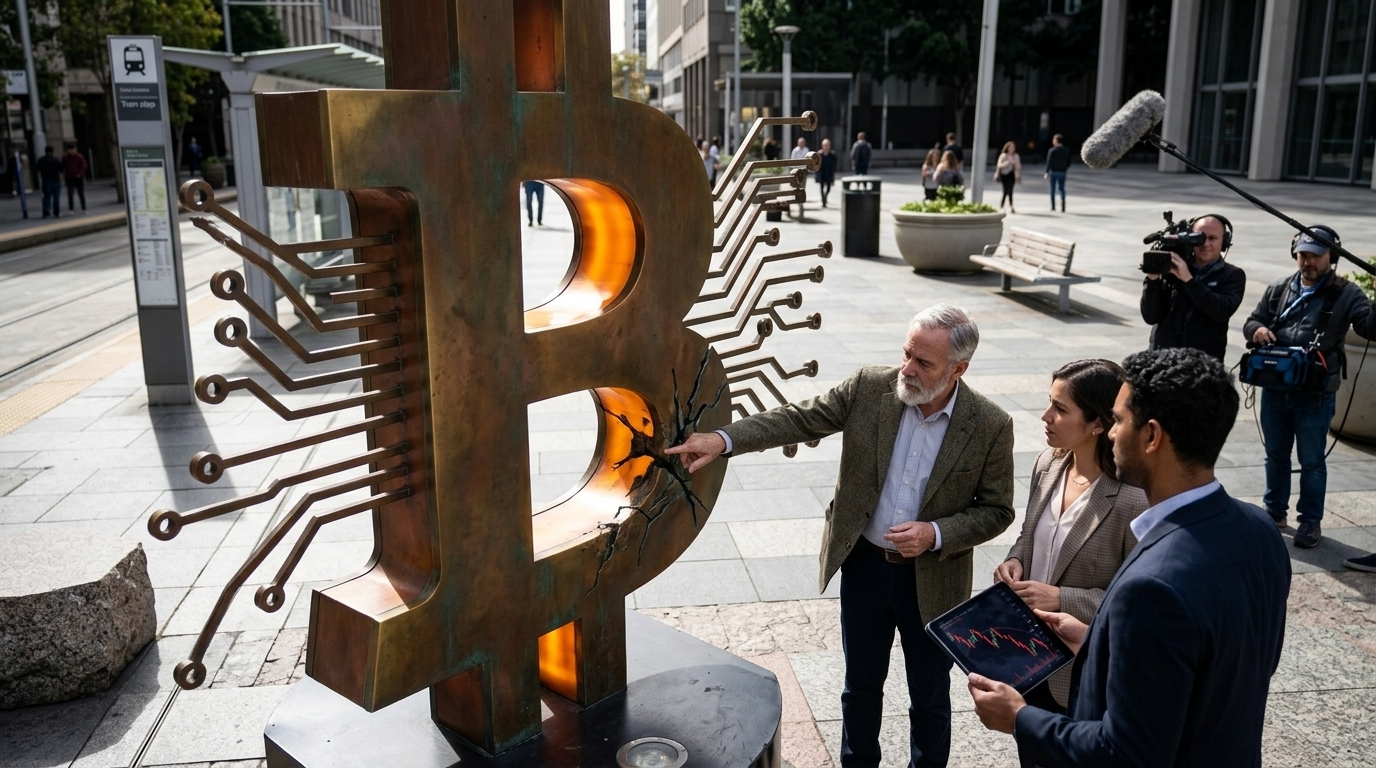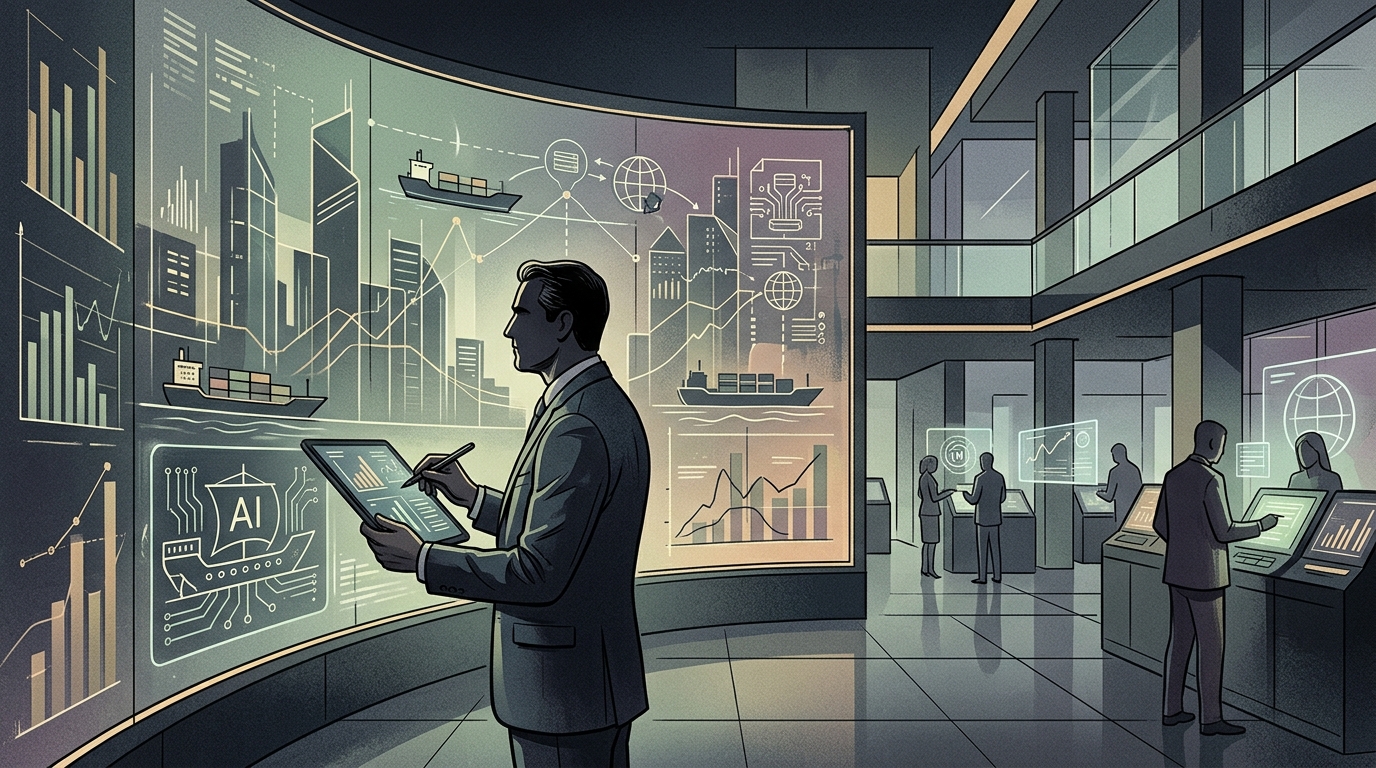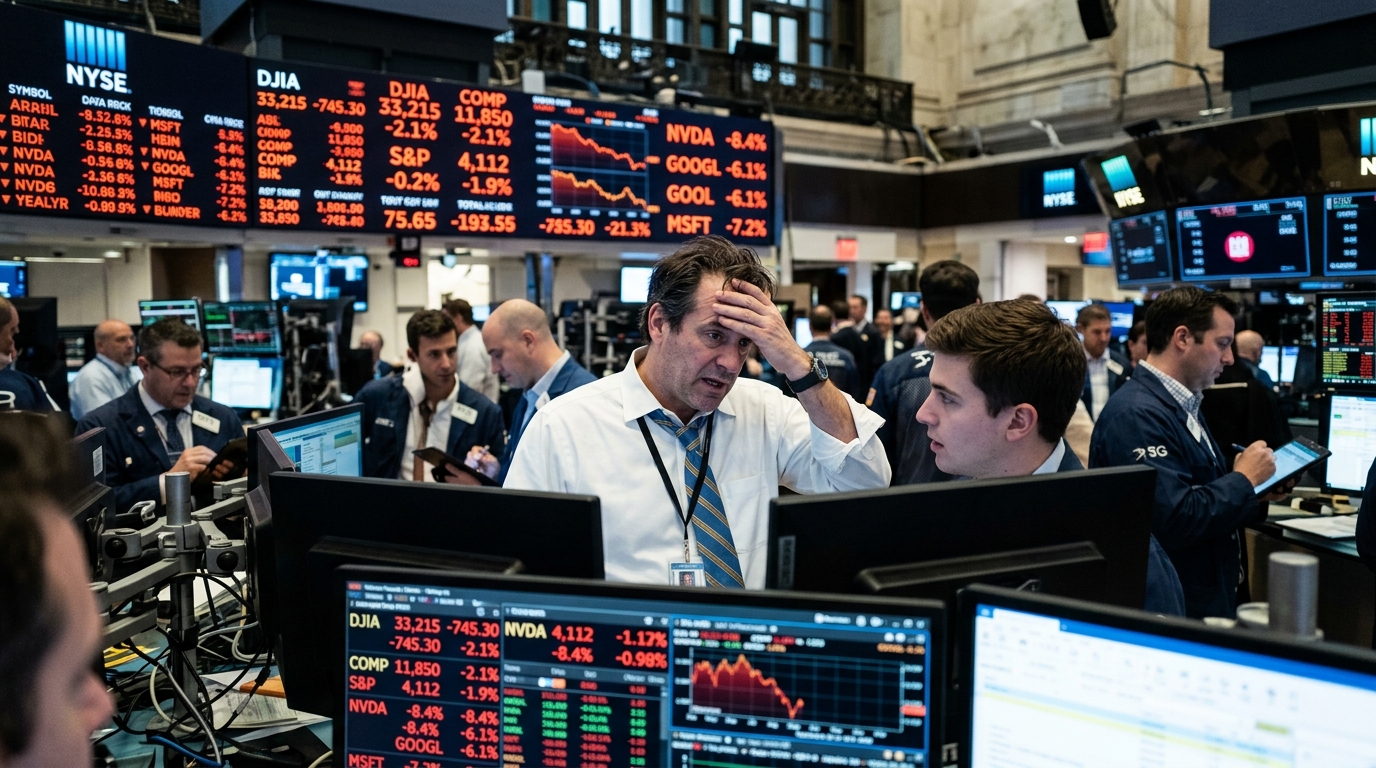
The history of technology is riddled with cycles of irrational exuberance followed by sharp descents into reality. As we navigate the first half of 2026, Artificial Intelligence (AI)—once hailed as the panacea for every economic and social ailment—is facing an unprecedented wave of skepticism. Recent analysis from Reuters Breakingviews highlights what many analysts have been whispering in the halls of Wall Street: the "backlash" is no longer just a social concern about job displacement, but a cold, hard economic reality.
The Capital Expenditure Paradox
Over the past three years, tech titans—Microsoft, Alphabet, Amazon, and Meta—have funneled hundreds of billions of dollars into constructing massive data centers and procuring Nvidia’s premium chips. However, the question now dominating shareholder meetings is simple yet ruthless: "Where are the returns?" While productivity in specific sectors, such as software engineering, has seen marked improvements, the widespread adoption of AI by traditional industries is lagging. The operational costs of these models remain prohibitive for many medium-sized enterprises, creating a chasm between technological potential and financial viability.
- Nvidia remains the only guaranteed winner, acting as the "arms dealer" in a war that may not have a clear ultimate victor.
- Energy demands from new data centers are straining power grids, leading to price hikes for everyday consumers.
- Regulators in the US and EU are intensifying scrutiny over monopolistic practices within the AI value chain.
A Bubble That Refuses to Burst, but is Leaking Air
This is not necessarily a dot-com style bubble destined to vanish overnight. AI is a tangible technology with immense power. However, the market is beginning to realize that the path to profitability is far longer and more arduous than the Silicon Valley pitches of 2023 suggested. Breakingviews notes that the backlash is fueled by the frustration of corporate clients who find that chatbots still cannot replace complex human functions without constant oversight—which often costs more than the original human-led solution.
"AI promised to transform the global economy, but for now, it is mostly transforming the balance sheets of Big Tech by inflating expenses and energy consumption," notes a senior market strategist.
The Energy Crisis and Ethical Dilemmas
One of the most underrated factors in this backlash is the environmental footprint. As climate change targets become more stringent, the staggering water consumption for server cooling and the demand for fossil-fuel-generated electricity have put tech firms on the defensive. Residents in regions hosting these data center behemoths are beginning to protest, viewing AI as a "digital parasite" that consumes local resources to train models that may eventually threaten their own livelihoods.
Conclusion: A Return to Fundamentals
The next twelve months will be pivotal. We are likely to see a shift from "General AI" toward specialized, smaller, and more efficient models that require fewer resources. The market will no longer reward innovation alone; it will demand Return on Investment (ROI). The backlash we are witnessing today is not the end of AI, but its coming of age. It is the moment when technology must prove its worth not in the lab, but in the real economy, where resources are finite and shareholders are impatient.