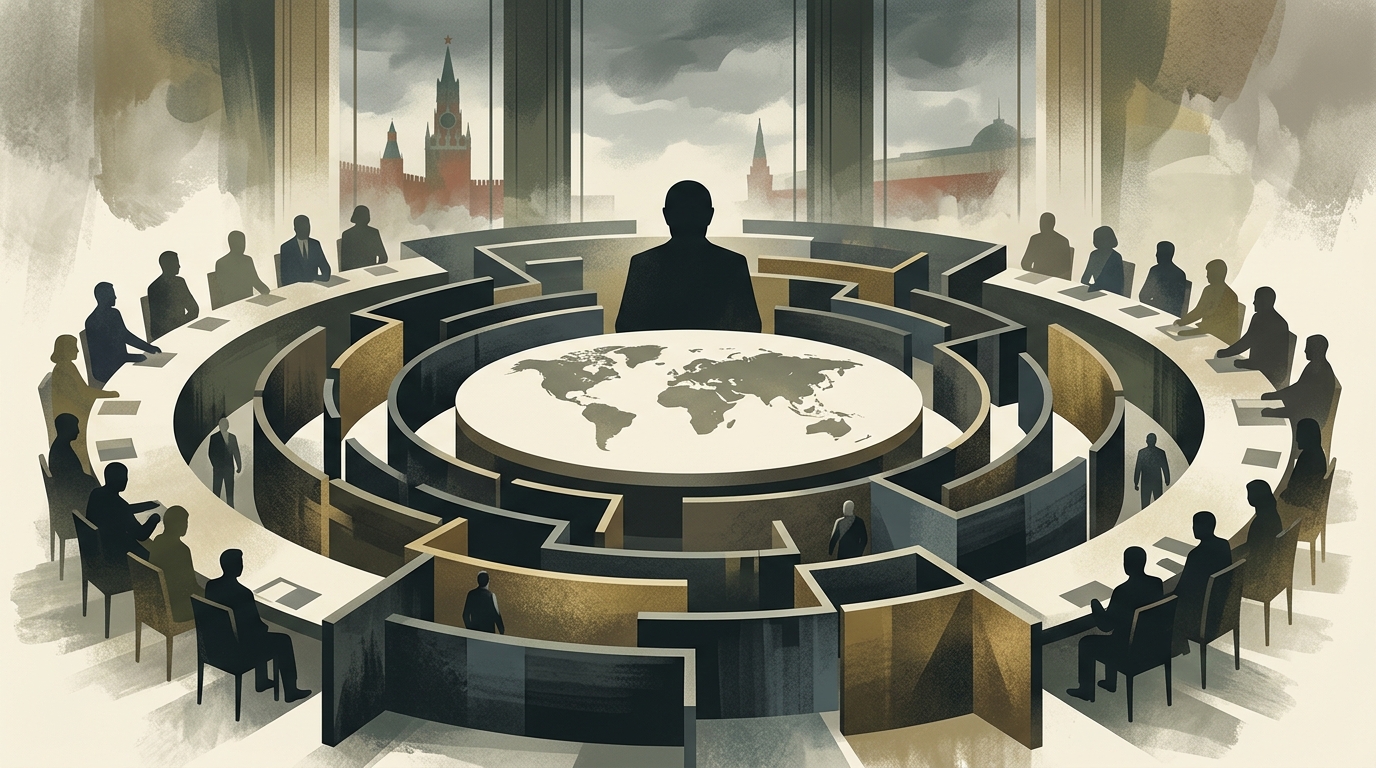
In the heart of Moscow, behind the storied red walls of the Kremlin, a fortification operation is unfolding the likes of which Russia has not seen since the height of the Cold War. Reports of heightened security measures surrounding President Vladimir Putin are no longer mere rumors; they are a stark reality reflecting the Russian leadership's deep-seated anxiety regarding internal stability and the possibility of an organized challenge to power. As we move through May 2026, the geopolitical landscape remains volatile, and the Russian President's need for absolute control appears to have reached new, unprecedented heights.
The Invisible Wall and Electronic Fortification
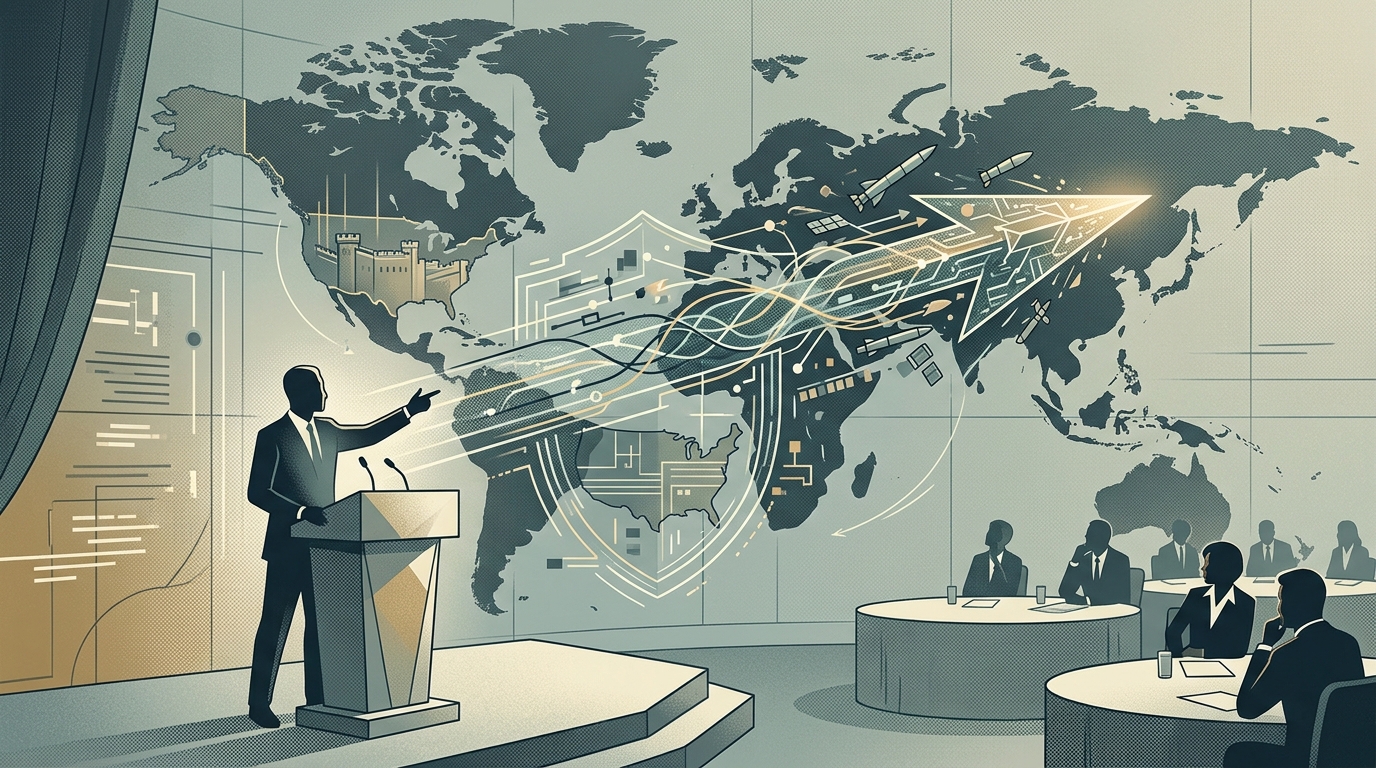
Putin's security no longer relies solely on physical bodyguards and armored motorcades. According to sources close to intelligence circles, a "digital bubble" has been established around every presidential movement. The Federal Protective Service (FSO) now deploys advanced electronic warfare systems designed to "blind" GPS signals and jam communications within a several-kilometer radius. This protective wall aims to neutralize threats from unmanned aerial vehicles (drones), which have proven effective in modern warfare, and to prevent any real-time tracking of the President's precise location.
Furthermore, vetting processes within Putin's inner circle have been intensified. The concept of a "trusted associate" has been redefined through the use of biometric data and continuous loyalty checks by the FSB. The isolation of the Russian leader, which began during the pandemic, seems to have become permanent, creating an environment where access to the President is a privilege reserved for a few, strictly vetted individuals. While effective at deterring physical threats, this strategy reinforces the image of a "fortress state" operating in a vacuum, detached from social reality.
The Shadow of Internal Purges
The historical memory of the Wagner mutiny and Yevgeny Prigozhin continues to haunt the corridors of the Kremlin. Analysts suggest that the current security alarm is driven not just by external enemies but primarily by the fear of an "internal coup." Recent leadership changes within the Ministry of Defense and the arrests of high-ranking officials on corruption charges are widely interpreted as a preemptive purge. Putin appears to be applying a doctrine of "constant elite renewal," ensuring that no military or political leader gains enough power to mount a credible challenge.
"Power in Russia is not transferred; it is either seized or protected with an iron fist. The wall around Putin is an admission of a regime that feels vulnerable despite its perceived omnipotence," notes an independent Russian political analyst.
This state of affairs creates a climate of pervasive suspicion within the Russian security services. The overlapping responsibilities between the FSO, FSB, and Rosgvardia (National Guard) are designed so that each agency monitors the others. However, this fragmentation could prove to be a double-edged sword in the event of a genuine crisis, where rapid decision-making is paramount.
Geopolitical Implications and the Road Ahead
The increasing isolation of the Russian leadership has direct consequences for international diplomacy. When a leader is surrounded exclusively by "yes-men" and lives within a protective bubble, the risk of strategic miscalculation increases dramatically. Western intelligence agencies are closely monitoring these developments, attempting to decipher whether these measures signal an impending internal collapse or simply a new phase in the consolidation of authoritarian rule. The security of the Kremlin is now inextricably linked to global security, as any instability involving Russia's nuclear arsenal would have catastrophic consequences.
In conclusion, the "alarm" in the Kremlin is not a transient phenomenon. It is the natural culmination of a political system built on fear and absolute enforcement. As the wall around Putin grows taller, the chasm between the leadership and the reality of a country struggling to balance imperial ambitions with internal contradictions deepens. History has shown that the strongest walls are often the first to crumble when internal pressure becomes unbearable.