In a period where the Middle East seems to be balancing on a tightrope, the statements of Ayatollah Ali Khamenei have once again stirred the waters of international diplomacy. Iran's Supreme Leader, in a speech broadcast by state media, sent a clear message to the United States: there is no longer a "safe haven" for their forces in the region. This position is not merely another rhetorical outburst but a strategic reminder of the growing reach of Iranian proxies and Tehran's weaponry, at a moment when Washington is attempting to disengage from a fresh cycle of violence.
The Strategy of Asymmetric Threat
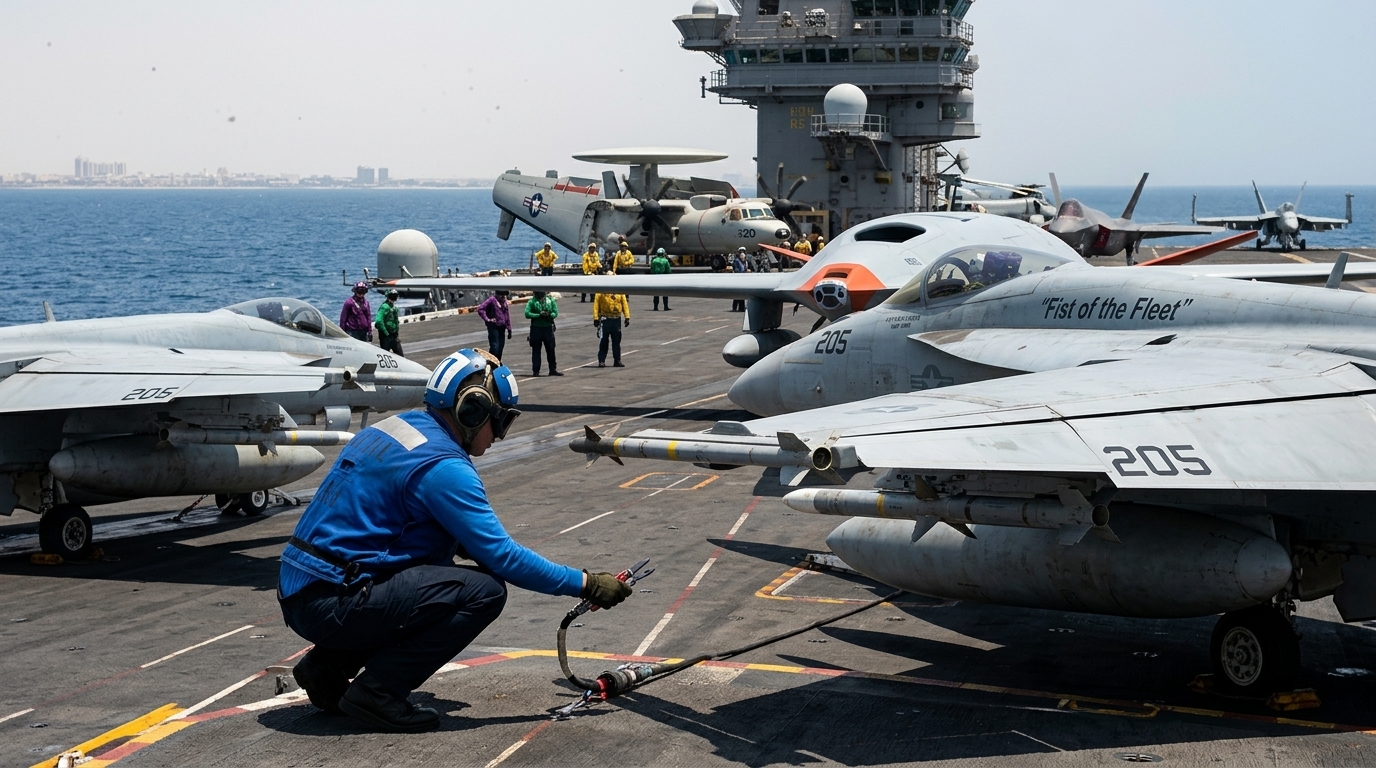
Khamenei's statement reflects a new reality on the battlefield. After three months of intense clashes that have shaken the regional fabric, Iran appears to believe it has achieved a degree of deterrence that allows it to dictate terms. The use of suicide drones, precision ballistic missiles, and the mobilization of the "Axis of Resistance" —from Hezbollah in Lebanon to the Houthis in Yemen— has created an environment where traditional American bases are now considered vulnerable targets.
Analysts point out that the phrase "no safe haven" directly targets the psychology of US military personnel and their regional allies, such as Saudi Arabia and the United Arab Emirates. Tehran seeks to make the cost of the American presence unbearable, both politically and economically, forcing the White House to reconsider its long-term strategy in the Eastern Mediterranean and the Persian Gulf.
Negotiations Under the Shadow of Missiles
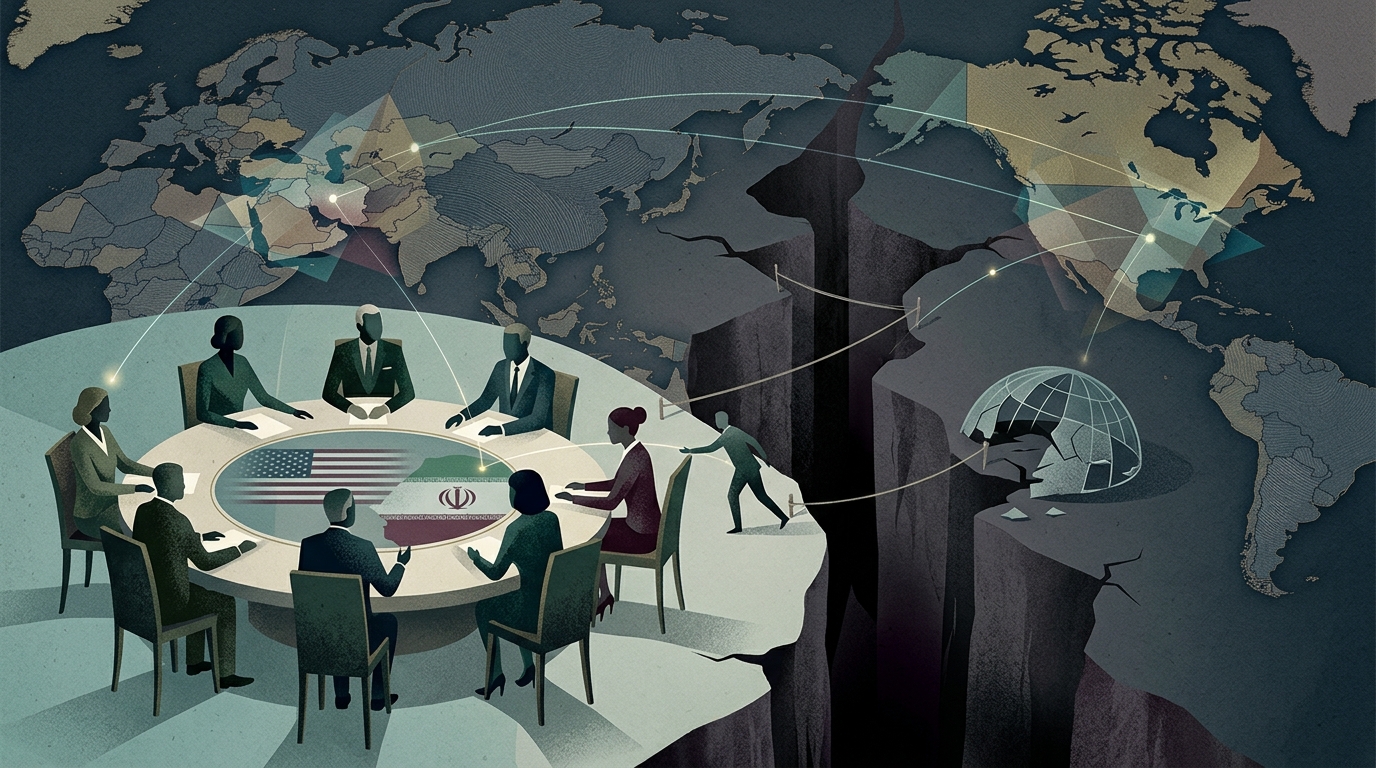
Despite the bellicose rhetoric, the background remains intensely diplomatic. The revelation that Tehran and Washington are discussing a framework to end the war, which has lasted three months, suggests that both sides are looking for an "emergency exit." The talks, rumored to be taking place through third countries like Oman and Qatar, focus on a mutual de-escalation. Iran is demanding the lifting of specific sanctions and guarantees that there will be no further strikes against its infrastructure, while the US demands a curtailment of attacks by pro-Iranian militias.
- The need for stability in global energy prices.
- Internal pressure in Iran due to economic hardship.
- The US administration's desire to focus on competition with China.
- The risk of an uncontrollable regional conflagration dragging Israel into a multi-front war.
Khamenei's stance acts as a "lever of pressure" at the negotiating table. By sending the message that peace is the only alternative to total insecurity, Tehran is trying to maximize its gains from any potential agreement.
Geopolitical Realignment and the Future
The current crisis has highlighted the limits of American power in a multipolar world. Although the US remains the dominant military force, its ability to impose order without enormous cost has been seriously challenged. Khamenei's statement marks the end of an era where the Middle East could be treated as a controlled sphere of influence.
"Security in the region is indivisible. Either everyone will be safe, or no one will be," a senior Iranian diplomat stated, echoing the Supreme Leader's positions.
In the future, stability will depend on whether the two powers can reach a modus vivendi that recognizes the interests of both sides. However, mistrust remains deep. The US fears that any retreat will be interpreted as weakness, encouraging further aggression, while Iran views the American presence as the primary cause of instability. The next phase of negotiations will be decisive in determining whether the Middle East will lead to a fragile peace or a new, even more destructive conflict.