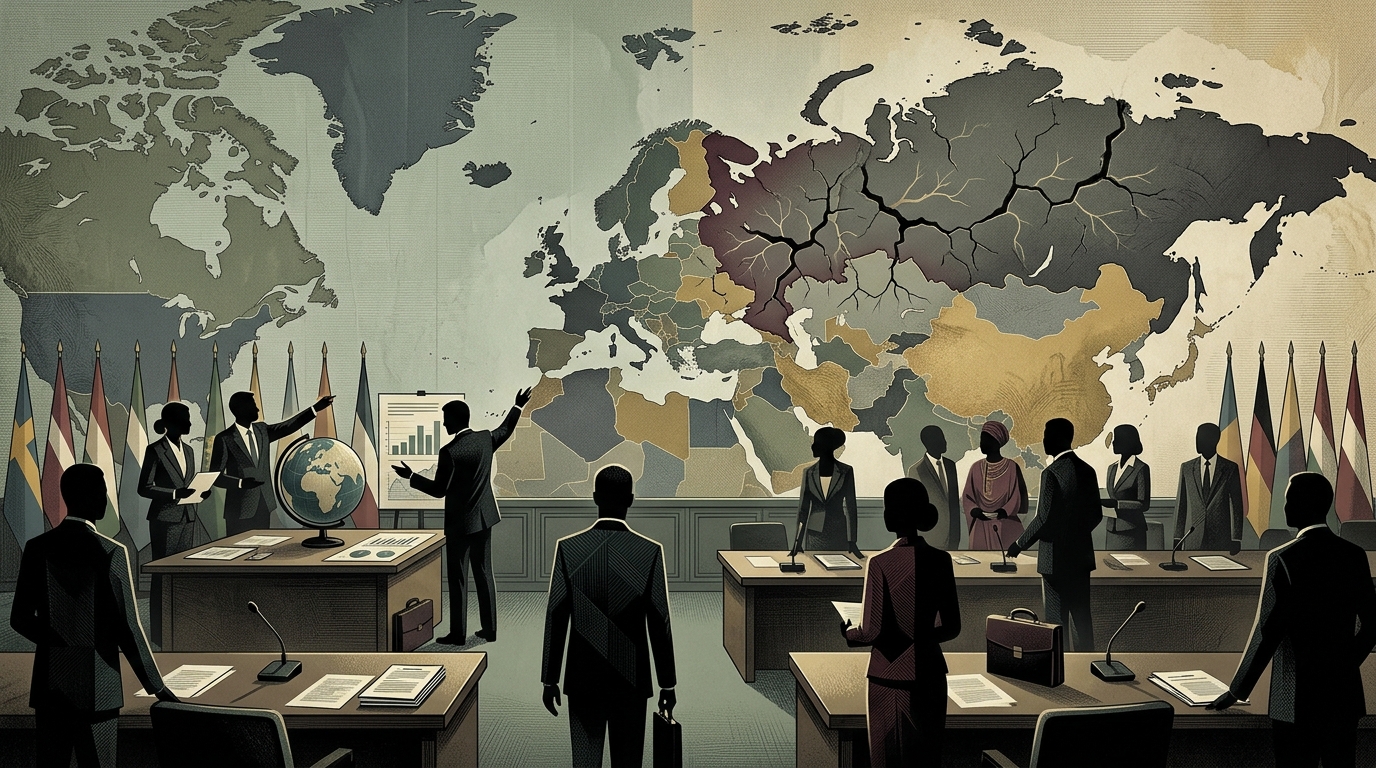
For over two years, the Kremlin has consistently promoted a narrative of an "economic miracle" under the pressure of international sanctions. Official data from Rosstat shows GDP growth that often outpaces that of Western economies. However, a new, penetrating analysis from the Stockholm Institute of Transition Economics (SITE) is set to dismantle this house of cards, arguing that the Russian economy is not merely stagnating, but in a phase of dangerous contraction that is being skillfully concealed.
The Illusion of War-Driven Growth
The core argument of the Swedish analysis focuses on how GDP is calculated in a war economy. When a state funnels 40% of its budget into the defense industry, production figures are artificially inflated. A tank built and destroyed on the Ukrainian front within a week is added to the GDP, but it provides absolutely no value to the well-being of citizens or the future productivity of the country. This is a "consumption of capital" rather than wealth creation.
The Swedish researchers utilized alternative indicators to measure real economic activity, such as electricity consumption, night-light data from satellites, and retail sales outside major urban centers. The findings are revealing: while military production is skyrocketing, the civilian sector—the one that sustains living standards—is in freefall. The real purchasing power of Russian citizens has drastically declined, despite nominal wage increases given to meet the needs of mobilization.
"Russia is cannibalizing its future to finance the present of the war. Infrastructure is crumbling, the technological gap is widening, and human capital is fleeing the country," the report states.
The Ghost of Inflation and the Interest Rate Trap
The Central Bank of Russia, under Elvira Nabiullina, is desperately trying to contain inflation by maintaining interest rates at levels that, in any other country, would mean economic asphyxiation. With the key interest rate exceeding 16%, borrowing for non-military businesses is practically impossible. This creates a two-tier economy: state-subsidized arms industries thrive on "cheap" money, while small and medium-sized enterprises are dying out.
The labor shortage is perhaps the most thorny problem. With hundreds of thousands of young men at the front and as many having fled abroad (the so-called brain drain), the Russian labor market has gaps that cannot be filled by migrants from Central Asia. This tightness leads to wage increases that do not correspond to productivity gains, fueling a vicious cycle of inflation that Moscow is unable to break.
Elite Anxiety and Dependency on Beijing
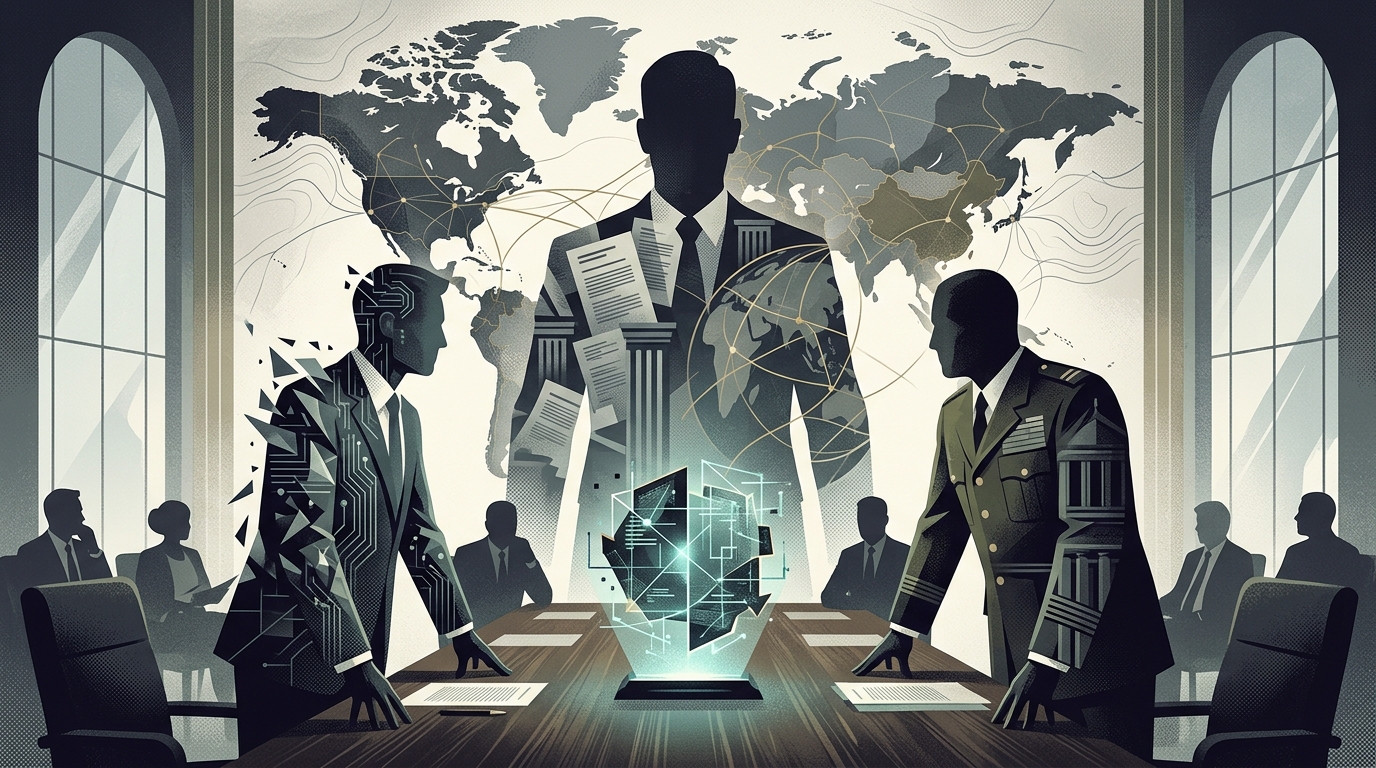
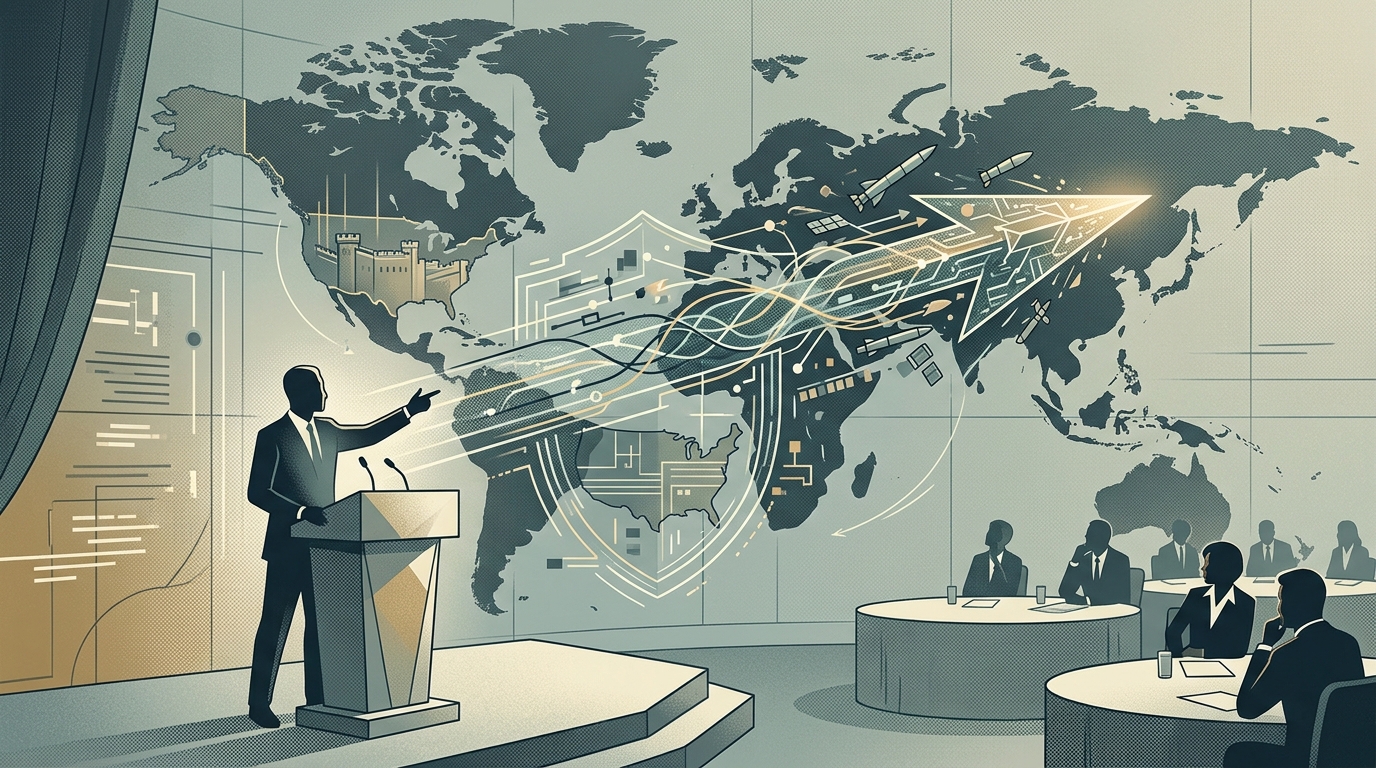
Perhaps the most interesting element of the Swedish analysis is the highlighting of the growing nervousness among the ranks of Russian oligarchs and technocrats. Despite public declarations of loyalty to Putin, the elites realize that the country is turning into an "economic satellite" of China. Russia is forced to sell its oil and natural gas at massive discounts to Beijing and New Delhi, while importing Chinese technology of dubious quality to replace Western components.
Isolation from the SWIFT system and the freezing of foreign exchange reserves have made the yuan the dominant currency in Russian transactions. This "yuanization" of the Russian economy strips the Kremlin of its last shreds of monetary sovereignty. The elites see their fortunes trapped in a shrinking market and a currency dependent on the whims of the Communist Party of China.
Conclusion: A Potemkin Economy
The Swedish study concludes that Russia has built a "Potemkin economy." Like the fake villages set up to impress Catherine the Great, today's GDP indicators hide a crumbling structure. The prolonged conflict in Ukraine is not only exhausting Russia's military hardware but eroding the foundations of its social and economic stability. When war spending inevitably decreases, Russia will face a crisis that will make the 1990s look mild by comparison.