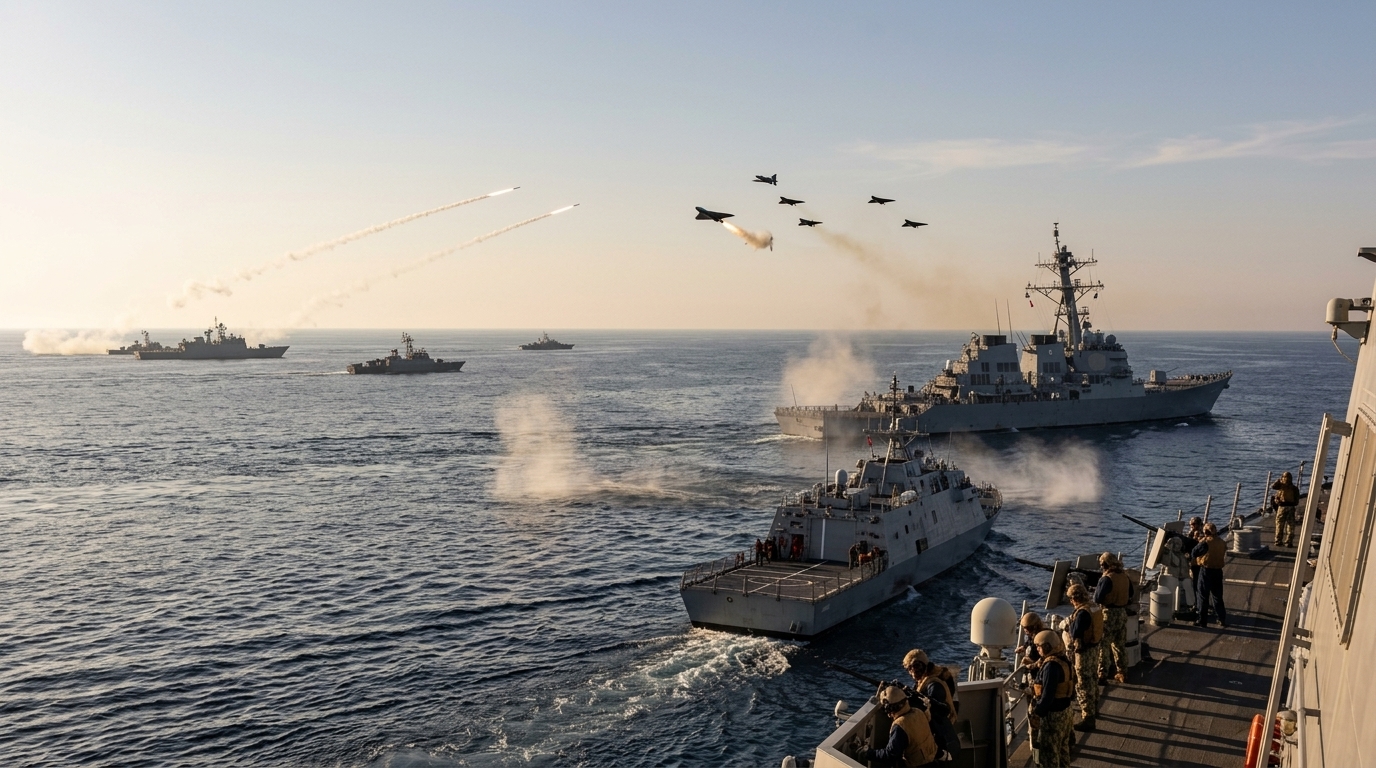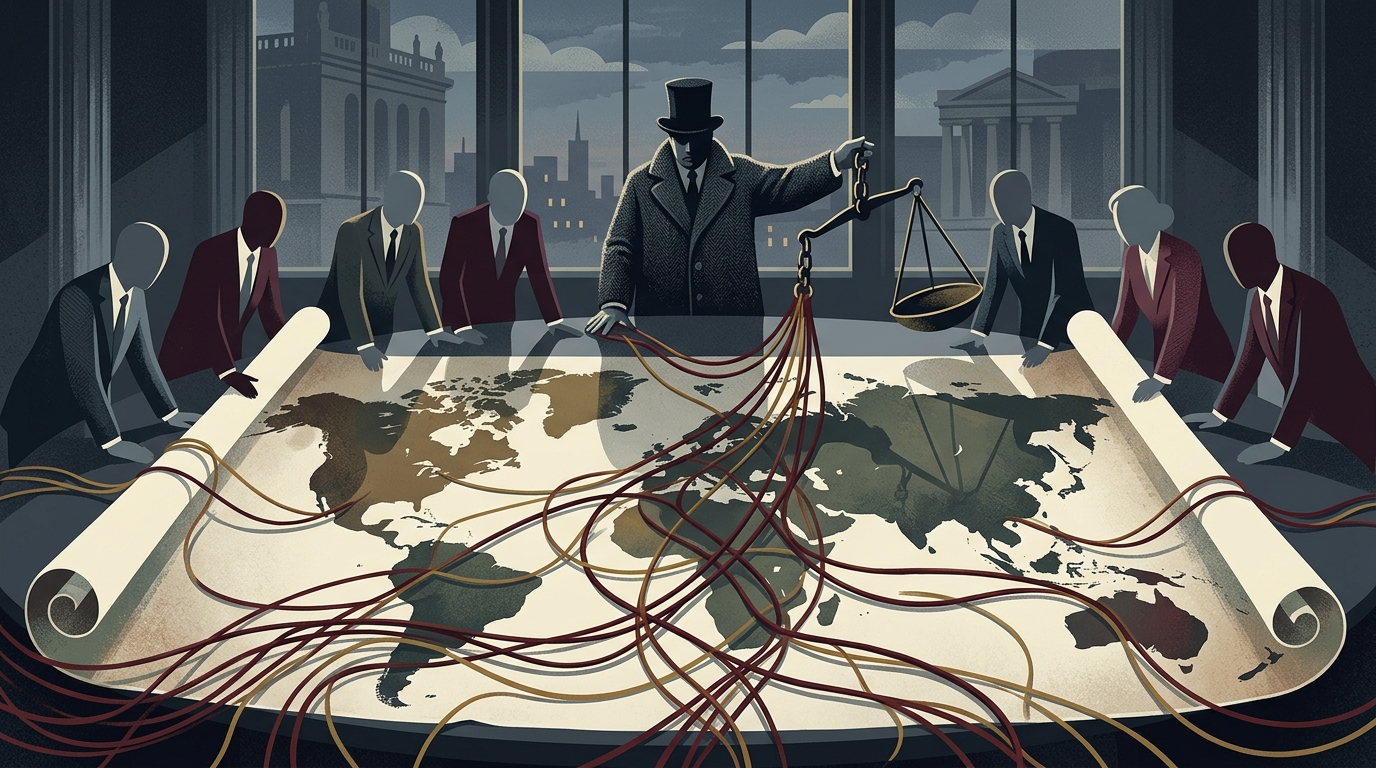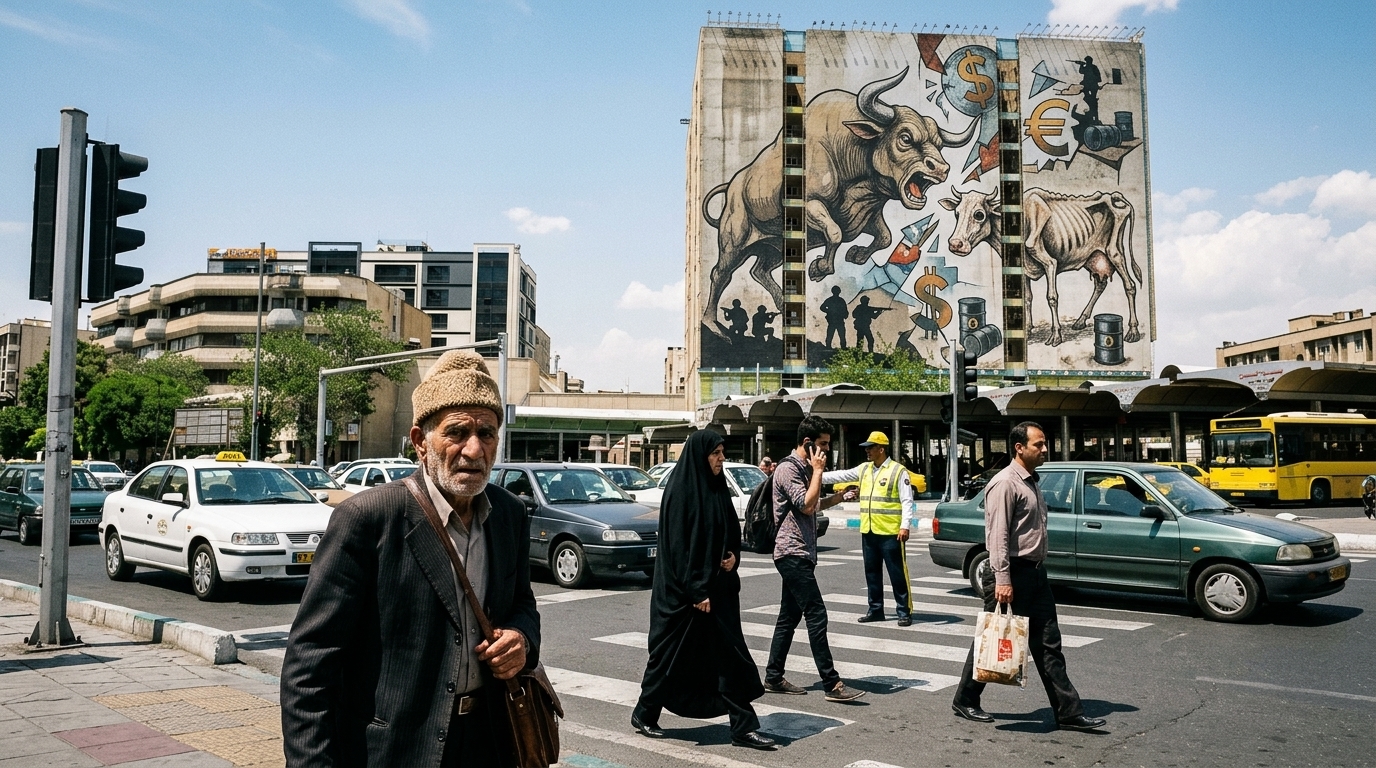
The global economy is entering a phase that seasoned analysts would describe as the 'Era of Lean Cows'—not necessarily due to a lack of capital, but due to a dramatic erosion of predictability. Recent analysis highlights a fundamental shift: investment decisions are no longer made solely on the basis of maximizing Return on Investment (ROI), but on the basis of geopolitical shielding. The 'carefree globalization' of the last three decades, where borders were mere lines on a logistics map, has given way to a fragmented world where geography is once again destiny.
The Death of the Efficiency Dogma
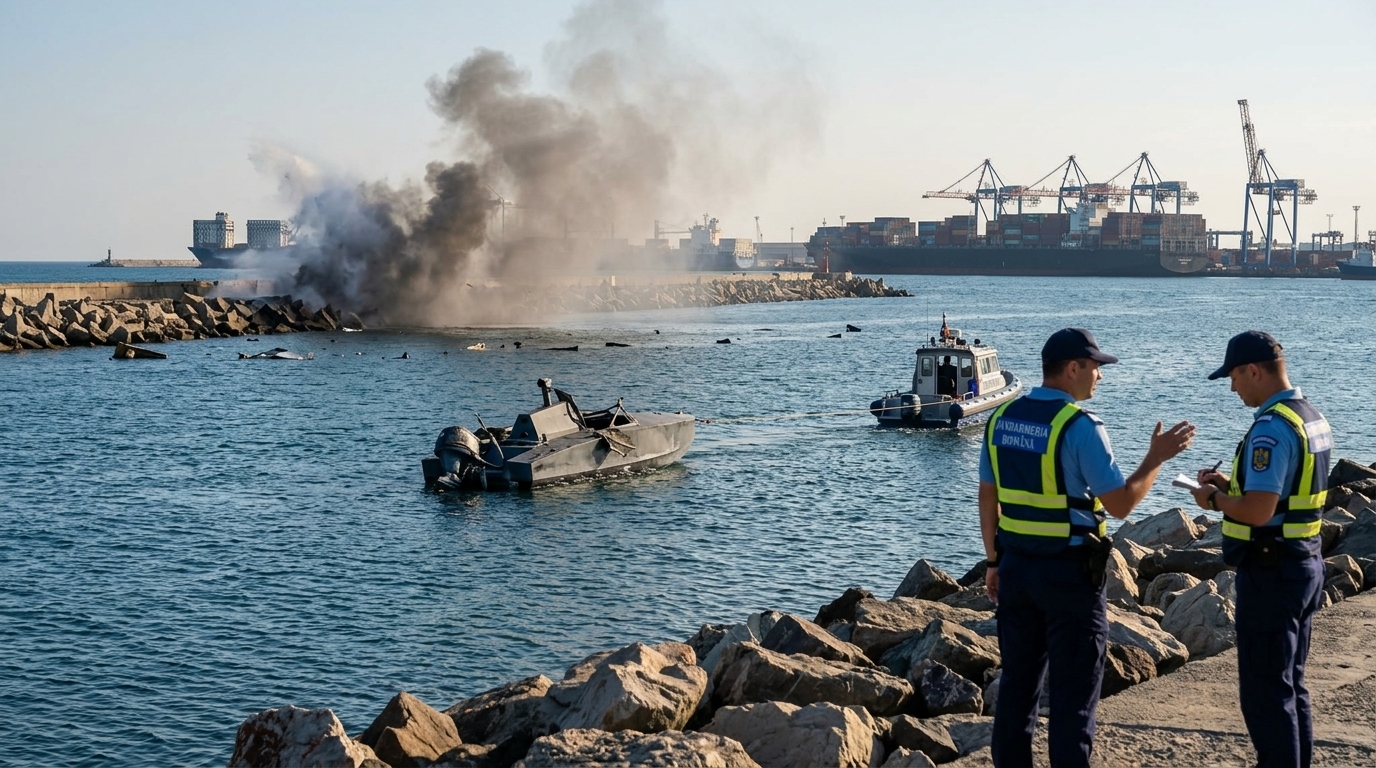
For years, the dominant model was 'Just-in-Time.' Companies sought the lowest possible production costs, regardless of where the factory was located. Today, this model is collapsing under the weight of geopolitical tensions. Crises in key straits—whether the Red Sea or the Taiwan Strait—have proven that a cheap supply chain is useless if it is not secure. The transition to 'Just-in-Case' and the rise of 'friend-shoring' (moving operations to politically aligned countries) are the new constants.
Investors now incorporate a 'geopolitical risk premium' into every move. This means capital avoids regions with a high risk of conflict, even if they offer high yields, and turns to safe havens or closed alliances. Europe’s strategic autonomy and the US push for 'de-risking' from China are not just political slogans; they are the new parameters defining the flow of trillions of dollars in international markets.
The New Zealand-Singapore Model: A New Path
Amidst this landscape, new patterns of cooperation are emerging. The agreement between New Zealand and Singapore is not a traditional trade deal. It is a 'survival protocol' in an unstable world. By focusing on the digital economy, the green transition, and supply chain resilience, these two nations demonstrate how smaller but agile states can create zones of stability. These 'minilateral' arrangements are replacing the large, cumbersome multilateral agreements of the past, such as those of the WTO.
In these cases, investment is not just about trading goods, but about securing data and technological sovereignty. In the era of lean cows, access to critical raw materials and semiconductors is more important than access to cheap labor. Countries that manage to network within these new frameworks will be the winners of the next decade.
Greece in the New Geopolitical Map
For Greece, this paradigm shift holds both risks and opportunities. As Europe’s gateway to the Eastern Mediterranean, the country is at the heart of developments in the Straits. Instability in the Middle East directly affects flows to the port of Piraeus, forcing investors to re-evaluate Greece's position as a logistics hub. However, Greece's status as a member of the EU and NATO makes it a 'safe harbor' for the friend-shoring sought by Western corporations.
The energy and technology sectors are poised to attract the most interest. Transforming the country into an energy hub (through LNG terminals and electricity interconnections) is a direct response to Europe’s need for energy security. In the era of lean cows, investments in Greece will no longer be judged solely by its fiscal condition, but by its geostrategic value.
Conclusions for the Modern Investor
The modern investor must, in a way, also become a geopolitical analyst. The rules have changed:
- Liquidity does not guarantee security.
- Geographic diversification must take political alliances into account.
- Technological sovereignty is the new 'gold standard.'
As we head toward the latter half of the 2020s, the ability to adapt to a world where peace and trade are no longer taken for granted will be the decisive factor for success. The 'lean cows' are not about a lack of opportunity, but a lack of certainty. In this environment, knowledge and strategic foresight are the most valuable assets.