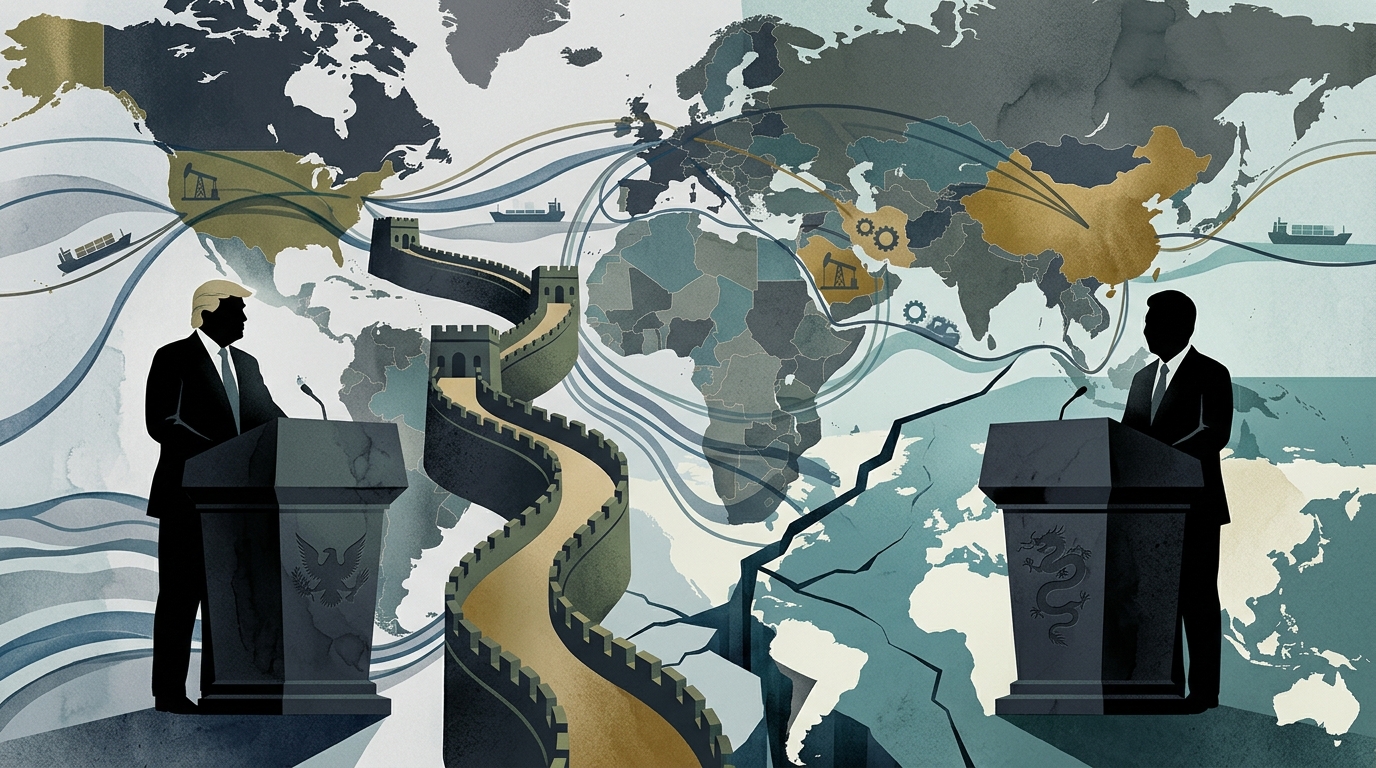
In a geopolitical landscape that feels increasingly like a high-wire act, Donald Trump’s upcoming visit to Beijing, scheduled for May 13-15, 2026, is poised to be the most consequential diplomatic event of the year. The American President, true to his "Art of the Deal" philosophy, travels to the Chinese capital for a series of high-stakes meetings with Xi Jinping, carrying an agenda that burns with urgency: from the labyrinthine trade deficit to China’s pivotal role in the survival of the Iranian regime.
The Economic Chessboard and the Tariff Threat
Trade remains the tip of the spear in Trump’s foreign policy. After months of reciprocal threats and the imposition of tariffs on strategic sectors, Washington appears to be seeking a "Grand Bargain" to restructure the trade relationship between the world's two superpowers. The US is pushing for greater access for American goods in the Chinese market, particularly in agriculture and technology, while simultaneously demanding stricter protection of intellectual property.
For its part, Beijing, facing a slowdown in domestic growth, seems willing to talk, but only on its own terms. Xi Jinping cannot afford to appear weak within the Communist Party, especially as China seeks to consolidate its dominance in the global supply chain. The Chinese leadership views Trump’s tariffs as a form of economic blackmail; however, the need for market stability may lead to a temporary compromise that defuses the immediate tension.
- Re-evaluation of tariffs on high-tech products.
- Commitments for the purchase of American Liquefied Natural Gas (LNG).
- Reduction of subsidies for Chinese state-owned enterprises.
The "Iran Factor" and Middle Eastern Geopolitics
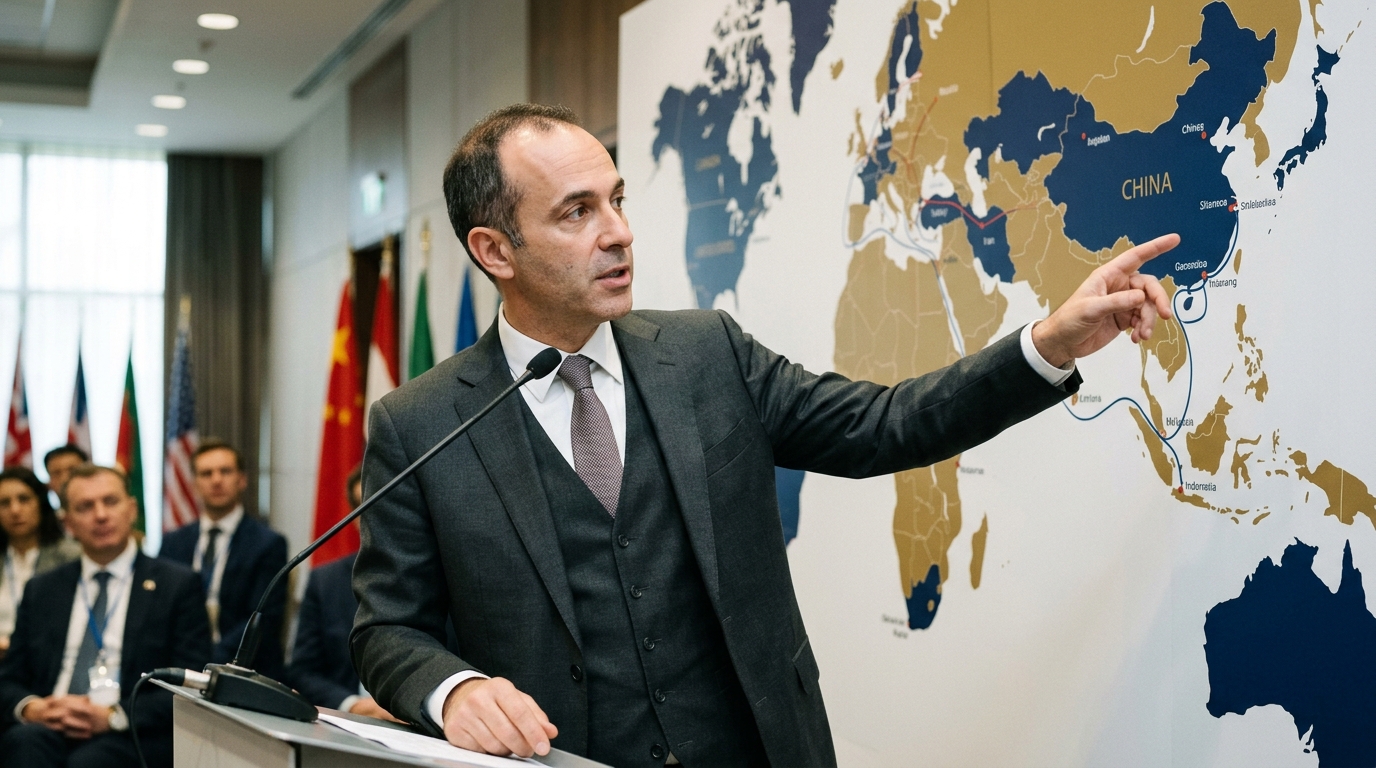
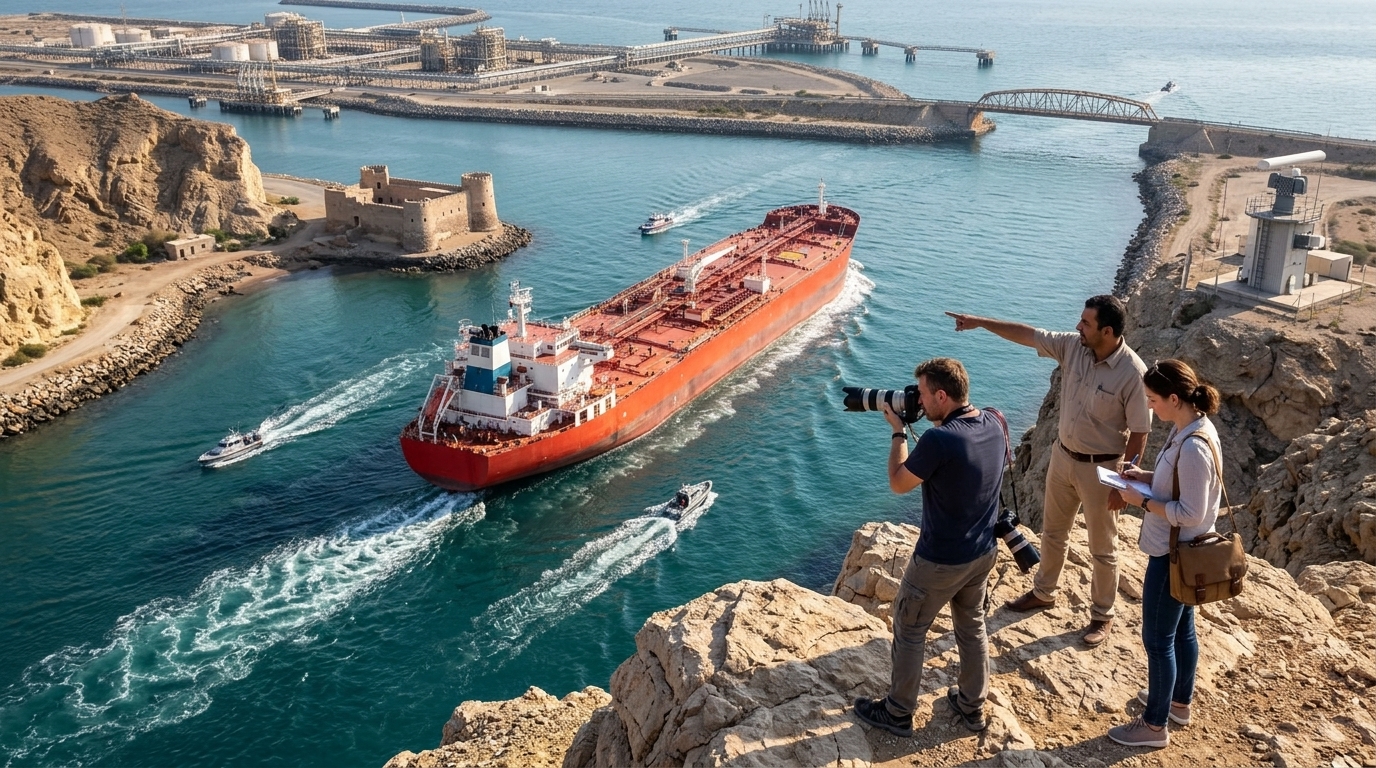
Beyond numbers and dollars, the geopolitical dimension of the visit focuses heavily on Iran. Tehran, under the crushing weight of US sanctions, has found a critical economic lifeline in China. Beijing remains the largest buyer of Iranian oil, often defying Washington’s warnings. Trump is expected to issue an ultimatum to Xi: reducing support for Iran is a prerequisite for any easing of trade pressures on China.
The China-Iran strategic relationship is not merely energy-based but also defensive. Joint military exercises and technology exchanges have alarmed the Pentagon. For Trump, isolating Iran is a central pillar of his Middle East policy, and he believes the "key" to changing Tehran’s behavior is held in Beijing. This discussion will be grueling, as China views Iran as a strategic partner in its "Belt and Road Initiative."
"This is not just about a trade deal; it is about redefining the global order for the 21st century," says a senior diplomatic analyst in Washington.
Artificial Intelligence and the New Cold War Reality
Finally, the agenda includes the "chip wars" and dominance in Artificial Intelligence. The US has imposed strict restrictions on the export of advanced semiconductors to China, fearing their use for military purposes. Trump will attempt to negotiate a framework that ensures Western technological supremacy, while China will seek the lifting of blockades that are strangling its tech industry. This meeting will not only decide the price of goods on shelves but also who holds the "keys" to the future global economy.