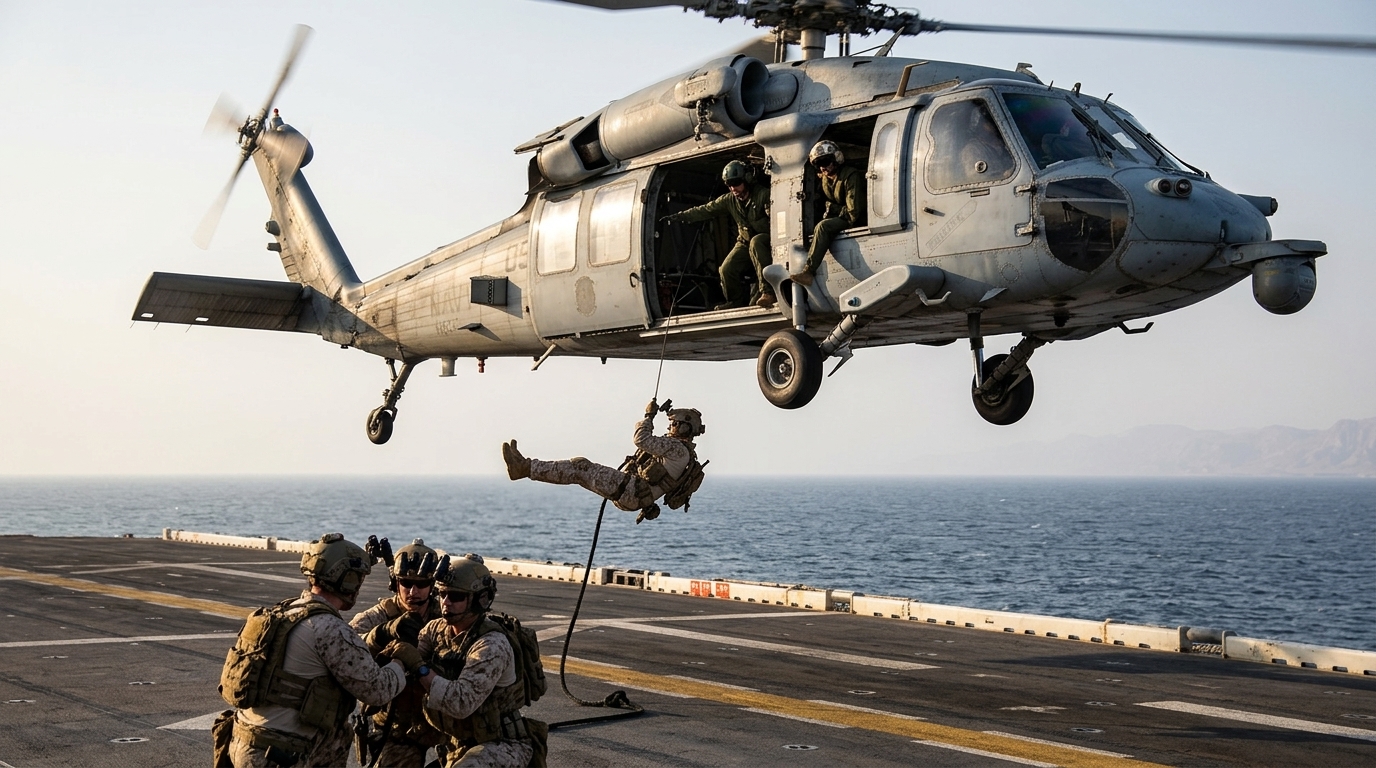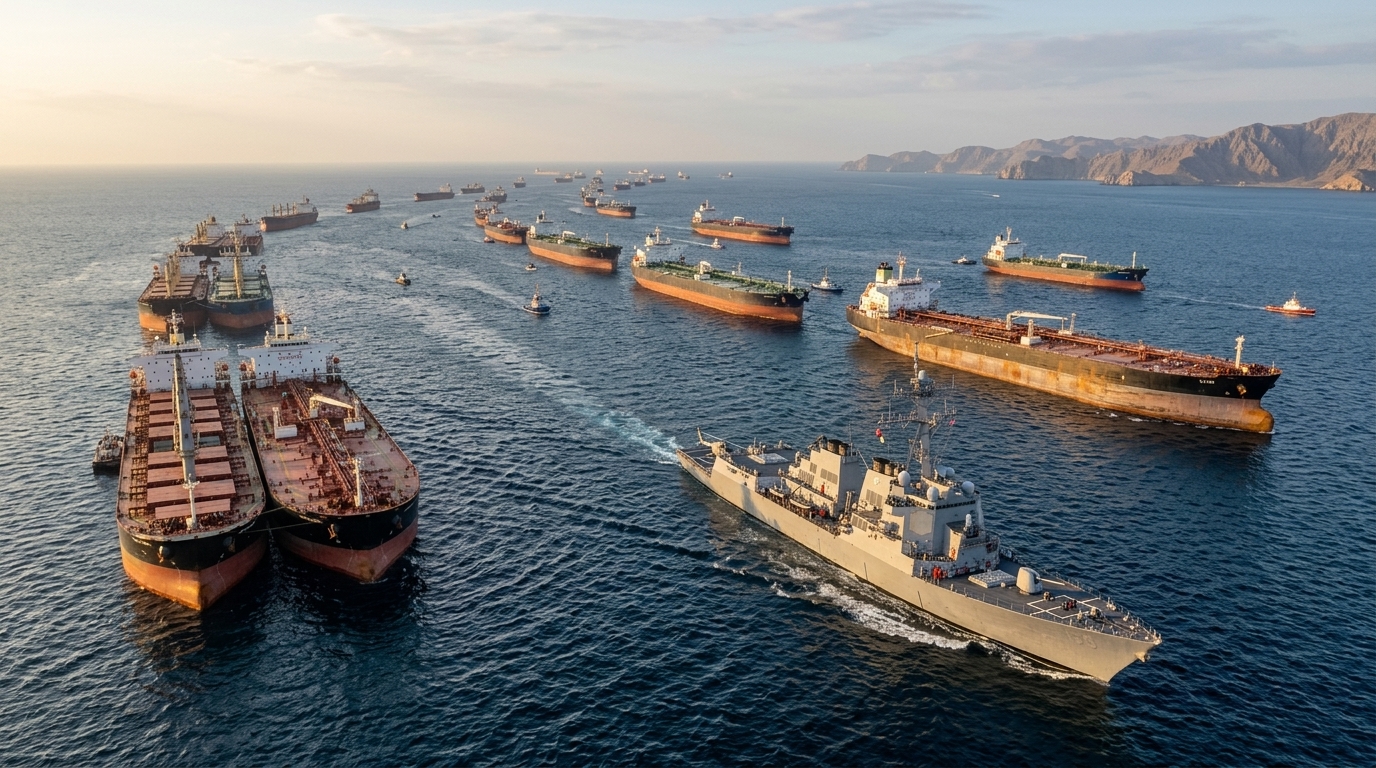
The image of a 300-meter tanker sailing in total darkness, with navigation lights extinguished and its Automatic Identification System (AIS) transponder turned off, would once have seemed like a Hollywood action movie script. Today, in the Strait of Hormuz, it is daily reality. As geopolitical tensions between Iran, Israel, and the United States escalate, global shipping is forced to adopt tactics that resemble military special operations more than commercial logistics. The 'silent transit' has become the new security standard for vessels carrying one-fifth of the world's oil consumption.
The Strategy of 'Dark' Transits
The practice of deactivating AIS is not new, but the scale at which it is now being implemented is unprecedented. Traditionally, AIS is used for collision avoidance, allowing ships to 'see' each other on radar and digital charts. However, in the 'powder keg' of Hormuz, this signal now acts as a beacon for Iranian Revolutionary Guard forces or drones searching for targets. This shift highlights a fundamental breakdown in maritime norms where transparency, once a safety feature, has become a liability.
Captains, in coordination with management companies and insurers, choose to enter the Strait under the cover of night, maintaining maximum speed and complete radio silence. These 'commando' tactics aim to minimize exposure time in high-risk zones. According to maritime data analysts, the number of vessels 'disappearing' from tracking systems before entering the Gulf of Oman has increased by 45% in the last six months. This 'ghost' traffic creates a shadow layer in one of the world's most critical maritime arteries.
Collision Risks and the Regulatory Void
Despite the necessity for security against external threats, this practice carries immense risks for navigational safety. The Strait of Hormuz is one of the most congested passages globally, with narrow traffic separation schemes. When multiple vessels sail 'blind,' the risk of a catastrophic collision increases exponentially. An oil spill in this location would not only be an environmental disaster but could effectively block the Strait, triggering a global economic shockwave that would dwarf previous energy crises.
Furthermore, the International Maritime Organization (IMO) mandates that AIS should remain active at all times, except when the master believes its operation poses a security risk to the ship. This 'grey zone' allows companies to maneuver legally, but Protection and Indemnity (P&I) Clubs are beginning to impose stricter conditions. War risk premiums have skyrocketed, and some insurers now demand continuous updates via proprietary satellite systems that are not visible to the general public, effectively replacing traditional AIS with private tracking networks.
Geopolitical Implications and the Technological Arms Race
The situation in Hormuz is not isolated. It is directly linked to Houthi attacks in the Red Sea and broader Middle Eastern instability. Iran utilizes its control over the Strait as leverage against Western powers, and 'silent' transits are the market's response to this persistent threat. However, technology is evolving. The use of Artificial Intelligence and Synthetic Aperture Radar (SAR) satellite imagery now allows military forces and sophisticated actors to track vessels even when their electronic systems are offline.
- Increased deployment of private maritime security contractors (PMSCs) on commercial hulls.
- Development of alternative routes that hug the coastlines of allied nations.
- Growing pressure on major flag states and shipping hubs to provide naval escorts for commercial convoys.
Ultimately, the seafarers are on the front lines. The psychological pressure of sailing 'invisible' through a potential combat zone is immense. The international community must decide whether to allow commercial routes to transform into asymmetric battlefields or to find a way to guarantee the freedom of navigation through diplomatic and collective security measures. The current 'commando' approach is a desperate adaptation to a world where international law is increasingly ignored at sea.