At a time when the global economy is still attempting to heal from the successive crises of recent years, a new warning from the Food and Agriculture Organization of the United Nations (FAO) has emerged to shake the foundations of international stability. The possibility of a prolonged closure of the Strait of Hormuz is no longer a remote theoretical scenario but a tangible threat that could ignite an unprecedented global food crisis within the coming months.
The Energy-Food Nexus: Why Oil Dictates Our Plates
The connection between energy and food is far deeper than the average consumer realizes. The Strait of Hormuz serves as the most critical artery for the global transport of oil and Liquefied Natural Gas (LNG). Any disruption in the flow of these resources has an immediate impact on two fundamental pillars of agricultural production: fertilizers and transportation costs.
Natural gas is the primary raw material for the production of nitrogen-based fertilizers. A spike in LNG prices, caused by a closure of the Strait, would automatically lead to a vertical increase in production costs for farmers worldwide. Furthermore, rising oil prices directly affect the operating costs of agricultural machinery and, most importantly, logistics. In a globalized world where wheat from Ukraine or corn from Brazil must travel thousands of miles, energy is the lifeblood that moves the entire system.
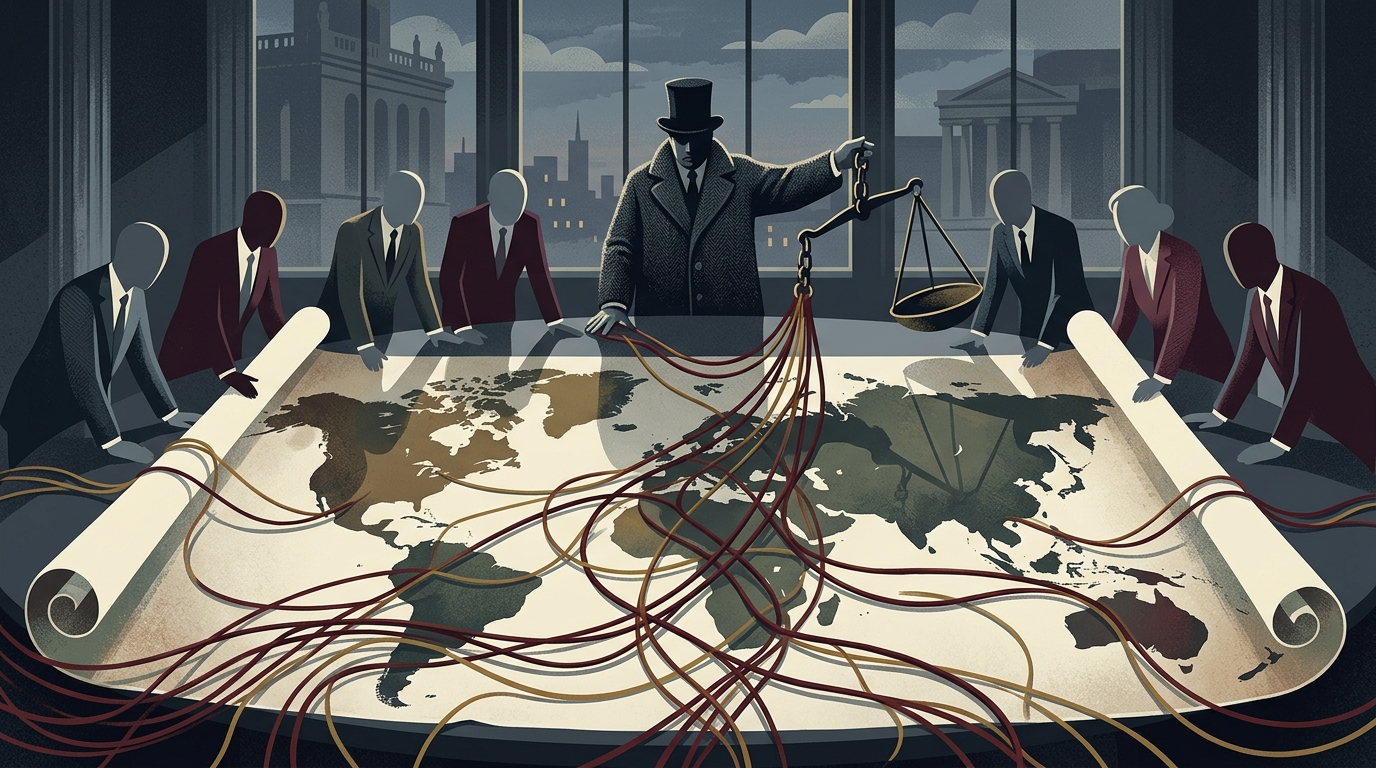
The Geopolitical Chessboard and the Fragility of the Strait
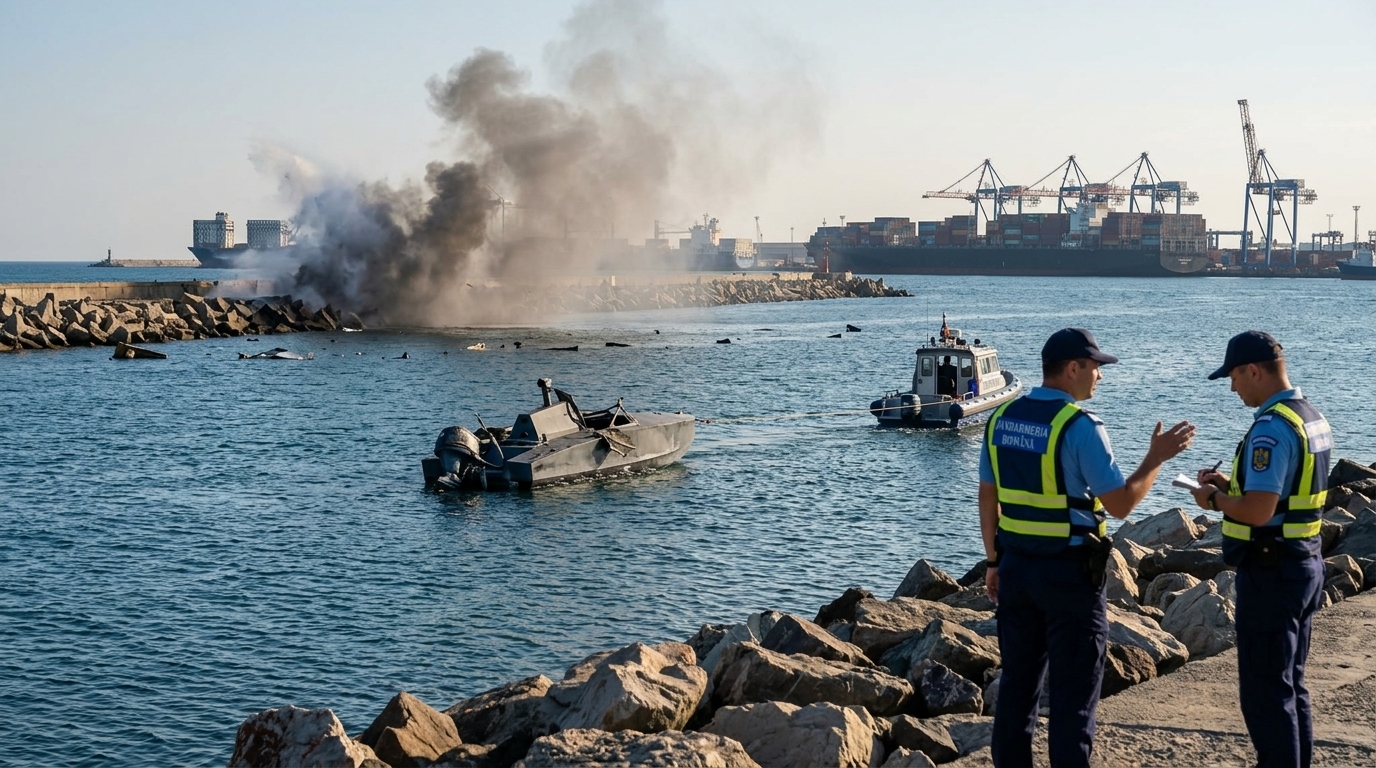
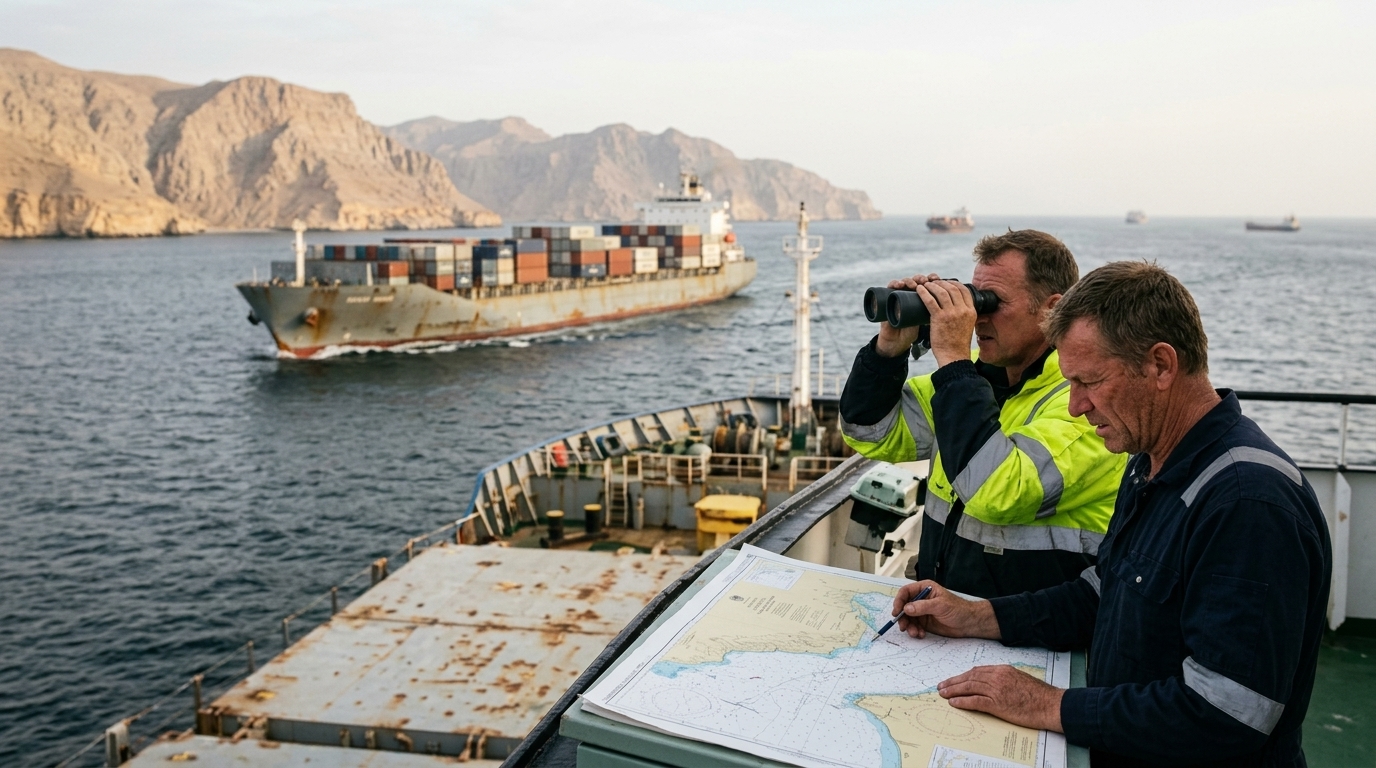
The Strait of Hormuz, separating Iran from Oman and the United Arab Emirates, is a narrow passage through which 20-30% of global oil consumption passes. Current geopolitical tensions in the region, which have escalated dangerously in 2026, make this point a critical "chokepoint" for global trade.
- Asia's dependence on Gulf crude remains high despite efforts toward an energy transition.
- Alternative routes, such as pipelines through Saudi Arabia, lack the capacity to fully replace the maritime route.
- Tanker security has become the number one risk for insurance companies, causing freight rates to skyrocket.
The FAO emphasizes that uncertainty alone is enough to trigger speculative behavior in commodity markets, driving up the prices of basic foodstuffs even before an actual physical shortage occurs.
Risk to the Global South and Social Stability
While developed economies might absorb some of the price increases through subsidies, the Global South stands on the edge of a precipice. Countries in Africa and Asia that depend on food and energy imports will face the dire dilemma of "heating or eating."
"Food security is not just a humanitarian issue; it is a matter of global security. Hunger is the greatest driver of social unrest and migration flows," an FAO official states in the report.
History has shown that spikes in food prices are directly linked to political instability. The 2011 Arab Spring was partially triggered by the skyrocketing price of bread. In 2026, with societies already strained by persistent inflation, a new crisis could serve as the catalyst for widespread uprisings.
Conclusion and the Need for Immediate Action
The FAO's warning must be taken seriously by global leaders. Diversifying energy sources, strengthening local agricultural production, and creating strategic food reserves are the only ways forward. However, the only definitive solution remains diplomatic de-escalation in the Gulf region. Without peace in the Strait, the plates of millions will remain hostage to geopolitical power plays.