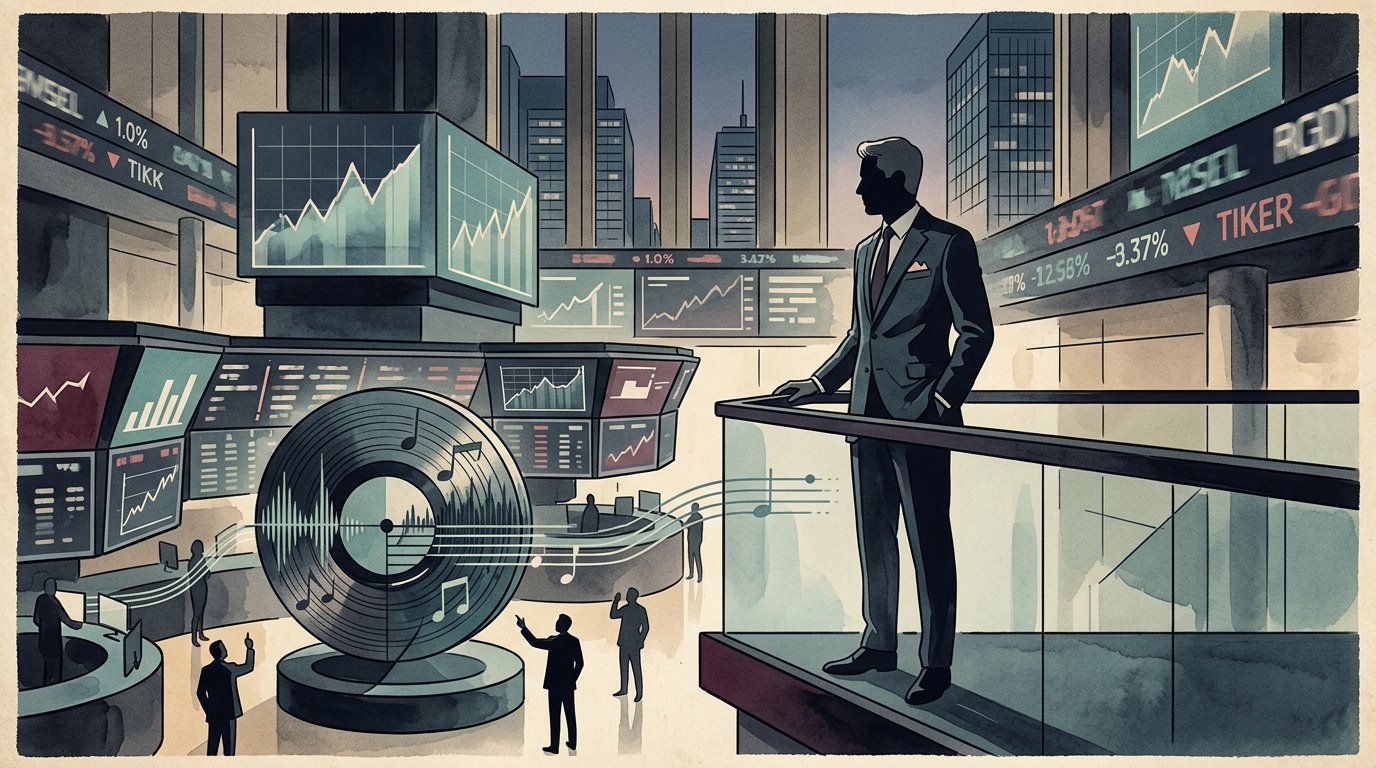
The irony is almost poetic: companies that built empires by convincing millions to bet on the odds are now themselves the targets of a much more ruthless gambler. 2026 marks a critical turning point for the online betting and gaming industry. After a five-year period of explosive growth, fueled by the legalization of sports betting in the US and the digital acceleration of the pandemic, the market is undergoing a violent correction. Short sellers—investors who profit when a stock price falls—have launched a coordinated offensive, betting billions of dollars against giants like DraftKings, Flutter Entertainment, and Entain.
The Regulatory Vise and Revenue Fatigue
Why are the "wolves" of Wall Street and the City of London turning against the industry now? The answer lies in a combination of three factors: regulatory tightening, rising customer acquisition costs, and market saturation. In the US, many states that initially welcomed betting as a new source of tax revenue are now hiking tax rates to plug budget deficits. In Europe, the UK and Germany have imposed stricter deposit limits and more aggressive consumer protection checks, squeezing profit margins to their limits.
Analysts point out that the "growth at any cost" model that dominated previous years is no longer sustainable. Companies spent billions on marketing and promotional credits to attract users. However, the lifetime value (LTV) of these customers is proving lower than expected, as players easily jump from one platform to another chasing the best bonus. Short sellers view this imbalance between acquisition costs and actual profitability as a bubble ready to burst.
The Short Sellers' Strategy: Who is Profiting?
Among the protagonists of this downturn are large hedge funds specializing in data analysis. Using algorithms that track app store activity and social media sentiment, they identified the decline in user engagement early on. According to market data for the first half of 2026, short positions in the sector have reached record levels. Some funds have already recorded profits exceeding 30% from their positions, as the stocks of industry leaders retreat under the weight of disappointing quarterly results.
- DraftKings saw its stock drop by 25% following the announcement of increased taxes in the state of Illinois.
- Entain, the owner of Ladbrokes, is facing pressure from activist investors demanding the sale of assets.
- 888 Holdings is struggling with high debt in an interest rate environment that remains "higher for longer."
The Social Dimension and ESG Criteria
Beyond the financial metrics, another factor favoring short sellers is the shifting climate around ESG (Environmental, Social, and Governance) criteria. Many institutional investors, such as pension funds, are divesting from the gambling sector due to the social impacts of gambling addiction. This "exodus" reduces demand for the shares, making the short sellers' job easier. Public outcry over gambling advertisements during sports broadcasts has led to bans that directly hit brand visibility and user acquisition funnels.
"This is not just a market correction; it is a structural redistribution of power. The industry must prove it can generate profits without relying on reckless expansion," says a leading analyst from JP Morgan.
The future of online betting seems to belong to those who can survive the wave of mergers and acquisitions expected to follow. Consolidation is now inevitable, as smaller players cannot withstand the burden of compliance and high taxation. For short sellers, the current period is their own jackpot, but for the industry's economy, it is a harsh reminder that in the end, the house (or in this case, the market) always wins.