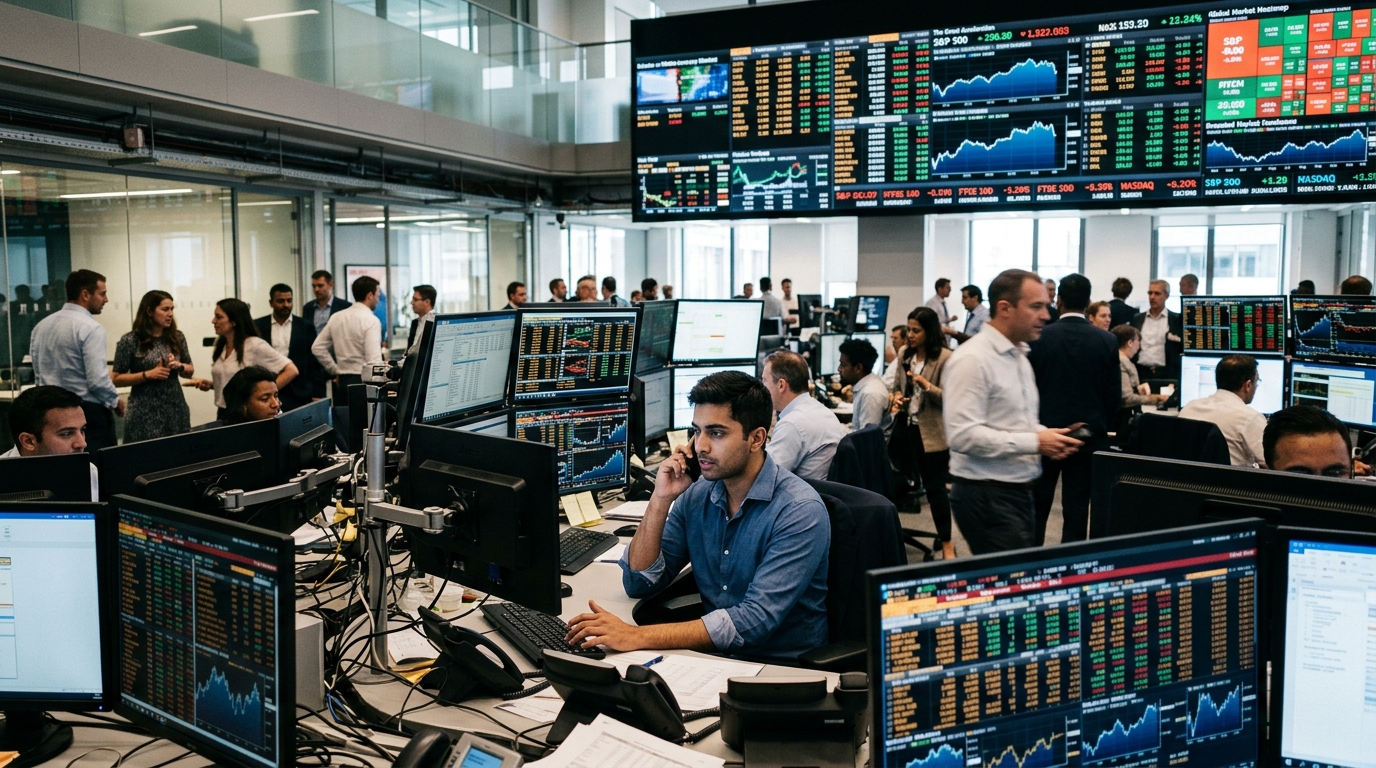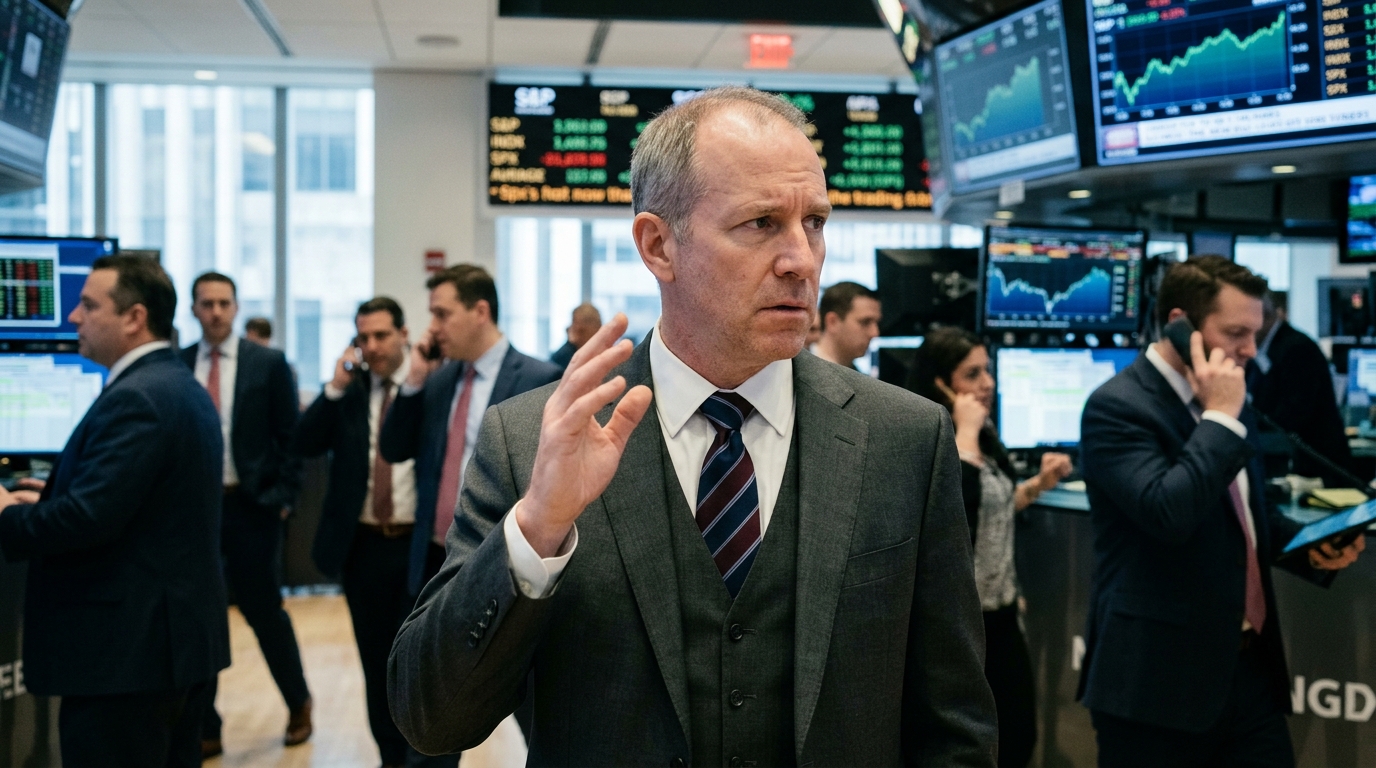
The history of Bitcoin has been defined by waves of skepticism, euphoria, and, ultimately, acceptance. However, the recent launch of options trading on BlackRock’s iShares Bitcoin Trust (IBIT) on the Nasdaq is not just another milestone in the journey of digital gold. It is the moment Bitcoin ceases to be an "exotic" asset on the periphery and becomes an organic part of the world’s most sophisticated capital market. This development, following months of deliberation with the SEC and CFTC, fundamentally changes the game for institutional investors, hedge funds, and retail traders seeking risk-mitigation tools.
The Significance of Liquidity and Hedging
Options are derivative financial products that give the holder the right, but not the obligation, to buy or sell an asset at a predetermined price within a specific timeframe. In the case of Bitcoin, the lack of such regulated instruments in the US forced major players to resort to over-the-counter (OTC) markets or offshore platforms, often involving higher risk and less transparency. With the entry into Nasdaq, liquidity is expected to skyrocket.
For an institutional investor, the ability to use strategies such as "covered calls" or "protective puts" is essential. These strategies allow for income generation from existing Bitcoin holdings or protection against sharp price drops. As the options market matures, Bitcoin’s volatility—traditionally the biggest barrier to mass adoption—may stabilize, as market participants will be able to "bet" against extreme instability through sophisticated hedging.
The Financialization of Digital Assets
The invasion of options into the Nasdaq signals what analysts call the "financialization" of Bitcoin. This means Bitcoin is now treated on the same terms as Apple stock or crude oil. The involvement of the Options Clearing Corporation (OCC) in the clearing process provides a level of security that was unthinkable a few years ago. The OCC guarantees contract execution, eliminating counterparty risk, which is a prerequisite for the participation of pension funds and large insurance companies.
- Increased participation from market makers providing continuous liquidity.
- Capability for complex investment strategies like straddles and strangles.
- Reduction in transaction costs due to competition among exchanges.
This development is expected to attract capital that has remained on the sidelines due to regulatory uncertainty. When a fund manager can see Bitcoin side-by-side with traditional derivatives on their Bloomberg terminal, the psychological and practical distance narrows dramatically.
Risks and Challenges: The Other Side of the Coin
Despite the excitement, the introduction of options carries risks. The increased leverage offered by derivatives can lead to violent price movements during times of crisis. So-called "gamma squeezes," where market makers are forced to buy or sell the underlying asset to cover their options positions, could cause artificial spikes in volatility. Furthermore, there is a risk that the derivatives market becomes so large that it "wags the dog," driving the spot price of Bitcoin away from its supply-and-demand fundamentals.
"The approval of options on Bitcoin ETFs is the final nail in the coffin for the argument that Bitcoin is a passing fad," Wall Street analysts noted.
Politically, this move reflects a shift in Washington. Pressure for a clear regulatory framework and the recognition that the US cannot afford to fall behind in the global race for digital finance have led authorities to a more pragmatic approach. Nasdaq, as a traditional vessel for technological innovation, is the ideal arena for this experiment.
Conclusion: A New Era for Investors
For the average investor, this evolution means more choices and better pricing. However, it also demands greater education. Options are double-edged swords: they can protect a portfolio, but they can also wipe it out if used recklessly with excessive leverage. Bitcoin on the Nasdaq is no longer the "Wild West" of finance, but a mature arena where Wall Street's rules now fully apply. The current decade will show whether this integration will tame the Bitcoin "beast" or if Bitcoin will forever change how traditional markets function.