For decades, global economic stability hung by the decisions made in the closed boardrooms of OPEC in Vienna. The ability of oil-producing nations to regulate supply and, by extension, the price of 'black gold,' was the ultimate tool of geopolitical power. However, as we move through 2026, a new force is emerging: Artificial Intelligence (AI). The question now haunting international relations is not just how much oil remains underground, but who owns the algorithms that optimize its consumption and production.
The Shift from Carbon to Code
Energy diplomacy is undergoing a radical transformation. AI is no longer just a tool for demand forecasting; it is an active player redistributing power. By analyzing vast amounts of real-time data, algorithms can identify inefficiencies in distribution grids that would have previously taken decades to rectify. This 'algorithmic efficiency' reduces reliance on the sharp supply fluctuations often imposed by OPEC to maintain price floors.
Furthermore, AI is accelerating the discovery of new materials for batteries and renewable energy sources, undermining the very foundations of the fossil fuel economy. When an algorithm can design a photovoltaic cell with double the efficiency in a matter of weeks, the strategic importance of Middle Eastern oil fields begins to wane. Power is shifting from those who control resources to those who control innovation.
Algorithms vs. Cartels: A New Equilibrium
OPEC and its allies (OPEC+) rely on a lack of transparency and information control to manipulate markets. AI, however, acts as a 'great revealer.' Using satellite imagery analyzed by neural networks, analysts can now track exact inventory levels in every corner of the globe, making secret production agreements nearly impossible to sustain without detection.
However, it would be a mistake to underestimate the ability of petrostates to adapt. Countries like Saudi Arabia and the UAE are investing billions in their own AI infrastructure. Their vision is the creation of 'smart oil fields' that will drive extraction costs down to levels that no other energy source can compete with. In this scenario, we don't see the replacement of OPEC by AI, but rather the absorption of AI into OPEC, creating a hybrid model of a digital cartel.
The Energy Hunger of Artificial Intelligence
A paradox arises here: AI itself, which promises to optimize energy, is one of its largest consumers. The data centers powering large language models require massive amounts of electricity and water for cooling. This creates a new form of dependency. Future geopolitics will be defined by access to high-end chips and the ability to provide stable energy to support massive computational power.
For Europe and the West, this shift offers both opportunities and risks. Nations with high renewable potential could become regional hubs for 'Green AI,' where clean energy powers the continent's computational clouds. However, without a sovereign AI strategy, countries risk becoming mere consumers of technology developed elsewhere, trading dependence on foreign gas for dependence on foreign algorithms.
Conclusion: The Diplomacy of the Future
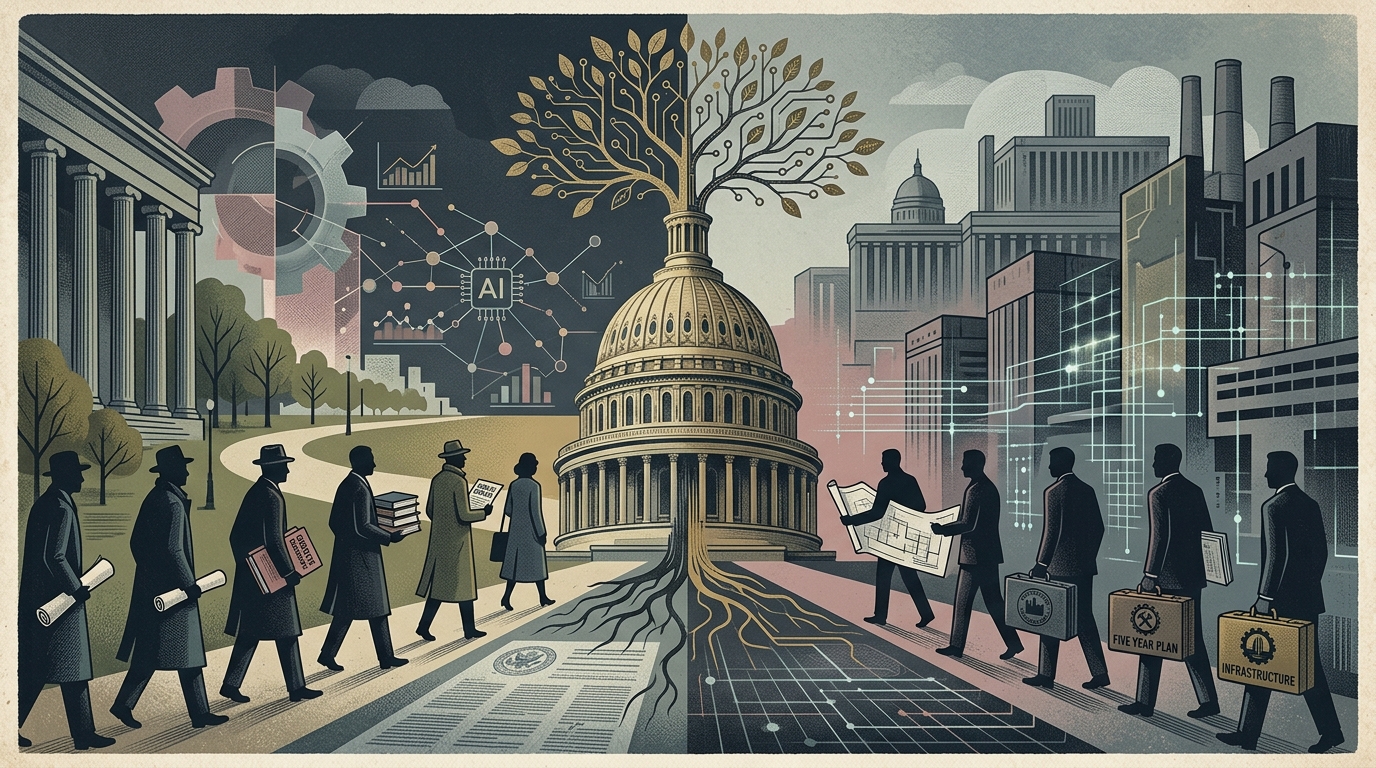
21st-century energy diplomacy will not be conducted solely with pipelines and tankers, but with fiber optics and quantum processors. Algorithms may not fully replace OPEC tomorrow, but they have already changed the rules of the game. Power no longer springs only from the earth, but from the intelligence that manages it. In the world of AI, sovereignty belongs to those who can bridge the gap between carbon molecules and information bits.