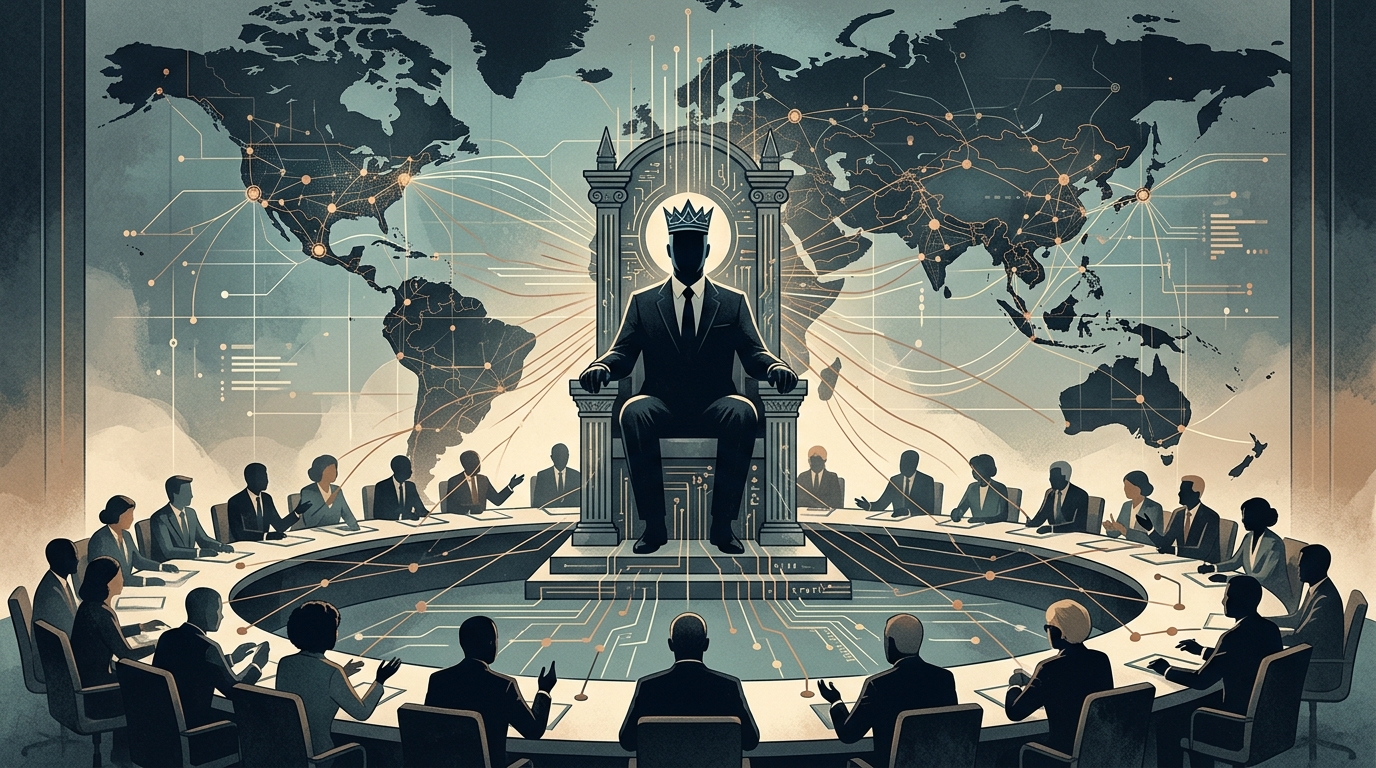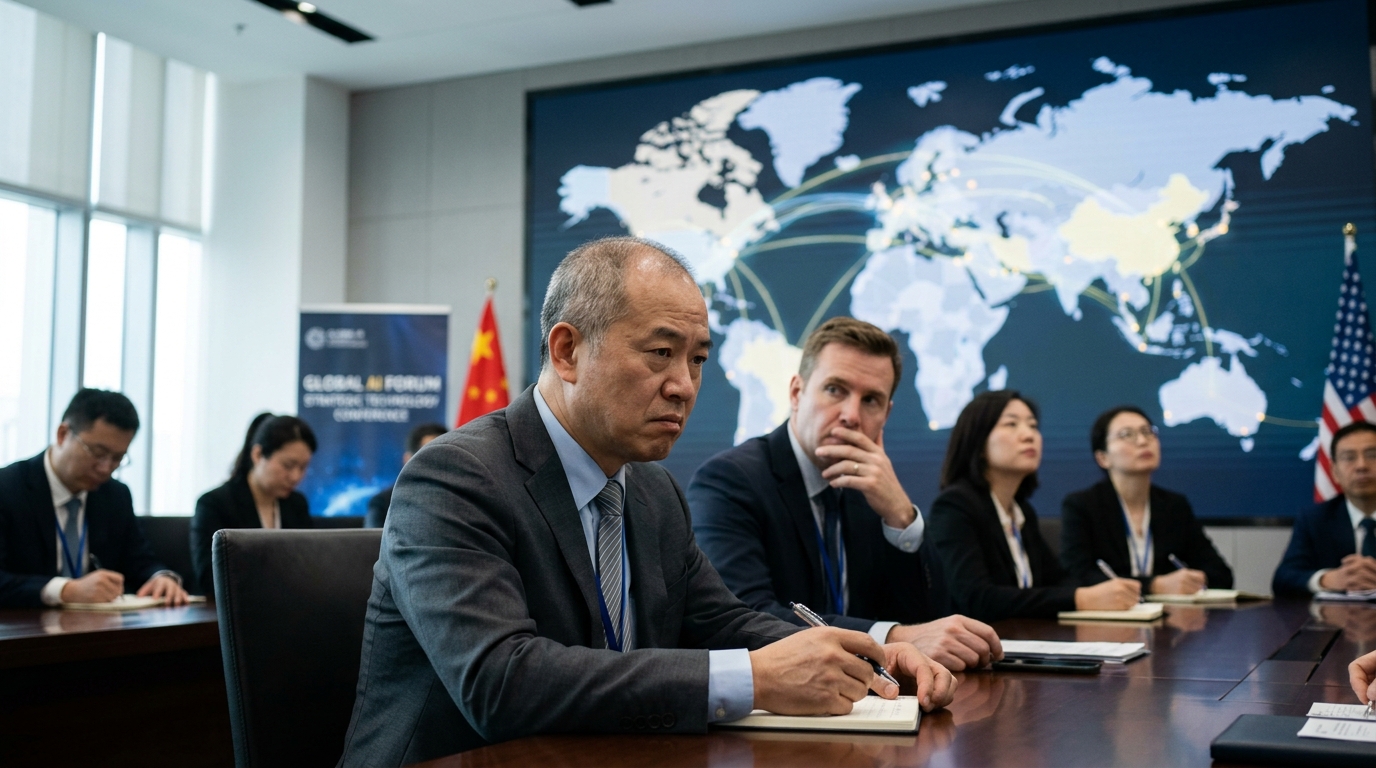
In the heart of Silicon Valley, behind the sleek glass facades of tech giants, a war is being waged without bullets, but with incalculable stakes. The recent exposure of the Linwei Ding case—a Google engineer accused of stealing hundreds of files related to AI supercomputing infrastructure—is merely the tip of the iceberg. For Washington, this is no longer simple corporate espionage; it is an existential threat aimed at overturning the global balance of power.
The 'Great Leap' Strategy via Theft
Beijing, under the guidance of the Chinese Communist Party, has made it clear that achieving AI supremacy by 2030 is a top national priority. However, the path to the top is not built solely on domestic innovation. According to reports from the FBI and the U.S. Department of Justice, China employs a multi-layered network to acquire Western technology: ranging from state-sponsored cyberattacks to the recruitment of insiders in critical positions.
The Google case is emblematic. The stolen data concerned the software architecture that allows Tensor Processing Units (TPUs) to train the most advanced large language models. Without these "secrets," Chinese firms would require years and billions of dollars to reach the same level of efficiency. Intellectual property theft acts as an accelerator, allowing Beijing to bypass R&D costs and jump straight to implementation.
The American Counter-Offensive and the 'Silicon Curtain'
The U.S. response is fierce and multifaceted. The Biden administration, expanding on Trump-era policies, has imposed stringent export controls on the most advanced chips from Nvidia and AMD destined for China. The goal is clear: to starve Beijing of the hardware "fuel" required to power AI development. Simultaneously, the creation of the "Disruptive Technology Strike Force" marks a new era of law enforcement, where protecting algorithms is treated with the same gravity as safeguarding nuclear codes.
- Stricter scrutiny of foreign investments in American AI startups.
- Enhanced security protocols in university labs collaborating with the Pentagon.
- Criminalization of participation in programs like China’s "Thousand Talents Plan" when they involve IP transfer.
However, this "fortification" carries risks. Many analysts warn that excessive zeal could lead to a new "McCarthyism" within the tech industry, discouraging Asian talent that has traditionally formed the backbone of Silicon Valley. The balance between open innovation and national security is more fragile than ever.
The Geopolitical Chessboard: Beyond Economics
Why does AI provoke such intensity? The answer lies in the "dual-use" nature of the technology. The same algorithms that improve disease diagnosis can be used to design autonomous weapon systems, process propaganda at scale, or perfect mass surveillance systems. The theft of AI secrets is not just about the profit margins of Chinese corporations; it is about the ability of an authoritarian regime to project power globally.
Europe, watching from the sidelines, faces a dilemma. On one hand, dependence on American technology leaves it vulnerable; on the other, Chinese penetration into European infrastructure via Huawei and other providers has already strained relations within NATO. The battle for AI secrets is, in reality, a battle over who will define the rules of the 21st century.
"They aren't just stealing code; they are stealing the future of democratic governance in the digital age," a senior U.S. intelligence official recently stated.
In conclusion, the US-China confrontation over AI is entering a phase of extreme polarization. The era of globalized, seamless knowledge exchange is ending, giving way to an era of siloed ecosystems. The question is no longer whether theft will occur, but how quickly the West can innovate so that stolen technology is already obsolete by the time it reaches the adversary's hands.