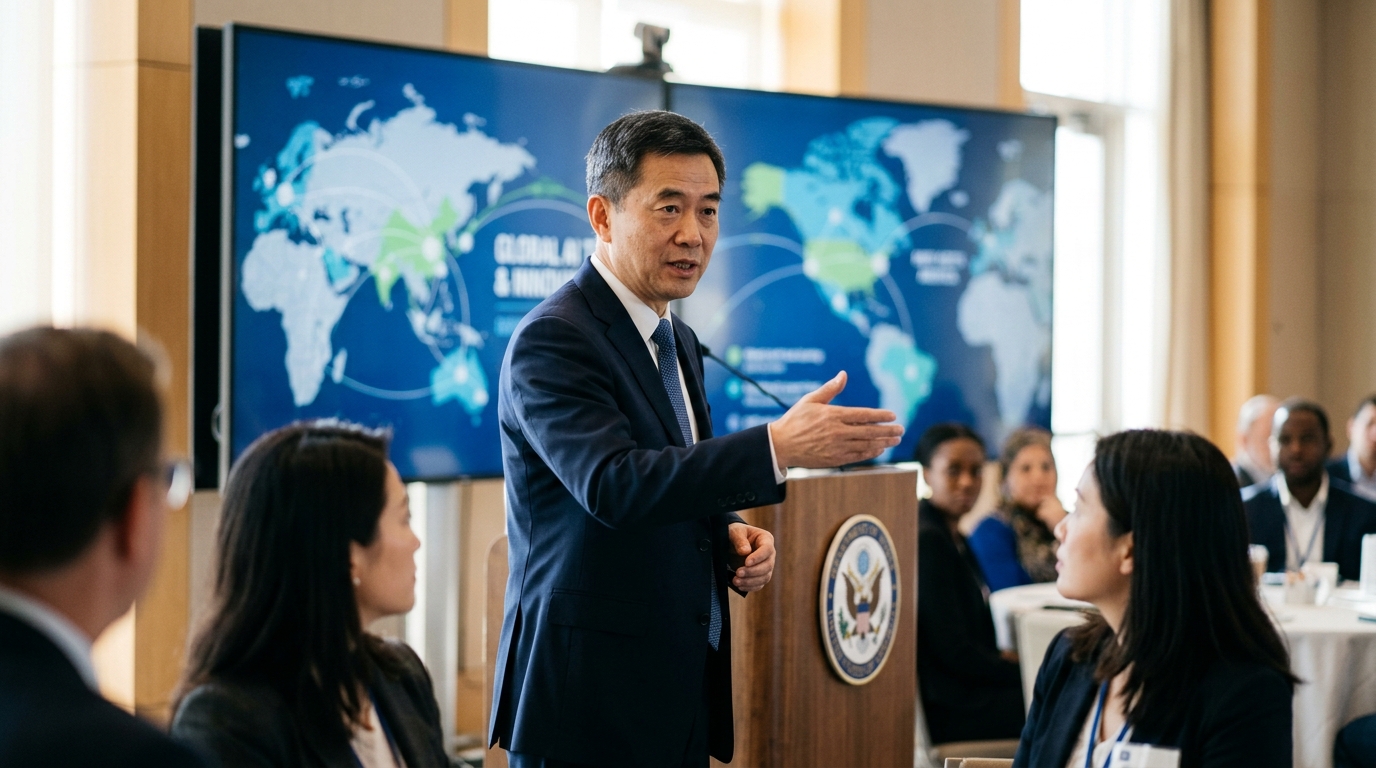
The global technological chessboard is experiencing one of the most dramatic shifts in modern history. At the heart of this change are not just semiconductors or supercomputers, but the most critical element of the production chain: human intelligence. According to recent reports, China has launched an unprecedented campaign to attract Artificial Intelligence (AI) professionals, offering compensation packages that rival or even exceed those in Silicon Valley. This move is not merely a business strategy; it is an existential necessity for Beijing, which seeks full technological self-sufficiency amidst growing pressure from Washington.
The Decoupling Strategy and the Demand for Talent
The demand for specialized personnel in China has skyrocketed as domestic giants like Baidu, Tencent, and Alibaba, along with a new generation of dynamic startups such as Moonshot AI and Zhipu AI, scramble to fill the gap left by US chip export restrictions. The logic is simple yet challenging: if you cannot buy the hardware, you must optimize the software and algorithms to such an extent that they compensate for the lack of raw processing power. To achieve this, the world's best Large Language Model (LLM) architects are required.
Salaries for top university graduates specializing in machine learning have doubled in just two years. According to labor market sources in Beijing and Shanghai, an experienced AI researcher can expect annual earnings exceeding $500,000, excluding stock options. This "gold rush" atmosphere is creating a new social class of technocrats who hold the key to China's national security.
The Return of the 'Sea Turtles'
One of the most interesting phenomena is the effort to repatriate Chinese scientists working in the US, traditionally called "haigui" or "sea turtles." While for decades Silicon Valley was the ultimate destination for the brightest minds from Tsinghua and Peking Universities, growing suspicion in the US toward Chinese researchers—often due to FBI investigations into espionage—has created a "climate of fear" that Beijing is duly exploiting. By offering not just money, but access to massive datasets and state protection, China is successfully persuading many to return.
"The battle for AI is actually a battle over who will define the rules of the 21st century. Without the people who understand the deep structure of these systems, infrastructure investments are useless," says a technology analyst in Shanghai.
Challenges and Geopolitical Risks
However, the path is not without obstacles. China faces a structural shortage of "mid-tier" talent. While it possesses many junior developers and a few top-tier visionaries, the lack of experienced project managers who can guide the development of complex AI systems is evident. Furthermore, the strict censorship and content restrictions imposed by the Chinese Communist Party act as a brake on the creative development of LLMs, as models must be "politically correct" according to state standards.
At the same time, geopolitical competition means that access to the global academic community is becoming increasingly difficult. Joint research initiatives between US and Chinese universities are collapsing, creating two separate technological ecosystems. This "digital decoupling" may lead to less efficient global innovation, as scientists work in silos, repeating each other's mistakes instead of collaborating.
Conclusion: A New Era of Competition
China's urgency to gain the lead in AI by attracting talent sends a clear message to the West: the era of cheap manufacturing is over, and the era of intellectual supremacy has begun. Whether China will succeed in converting this human capital into a sustainable technological empire remains to be seen, but the intensity of the effort suggests that the stakes are nothing less than global hegemony.