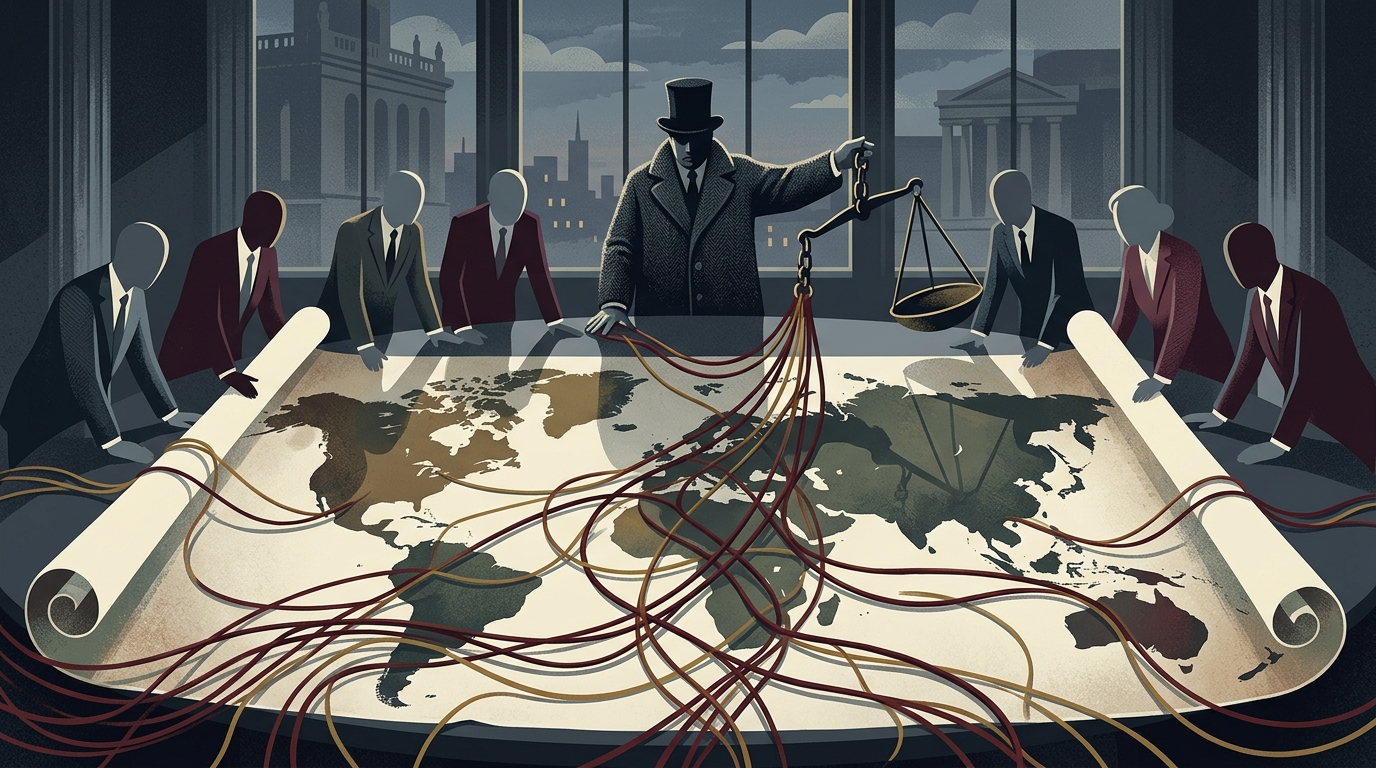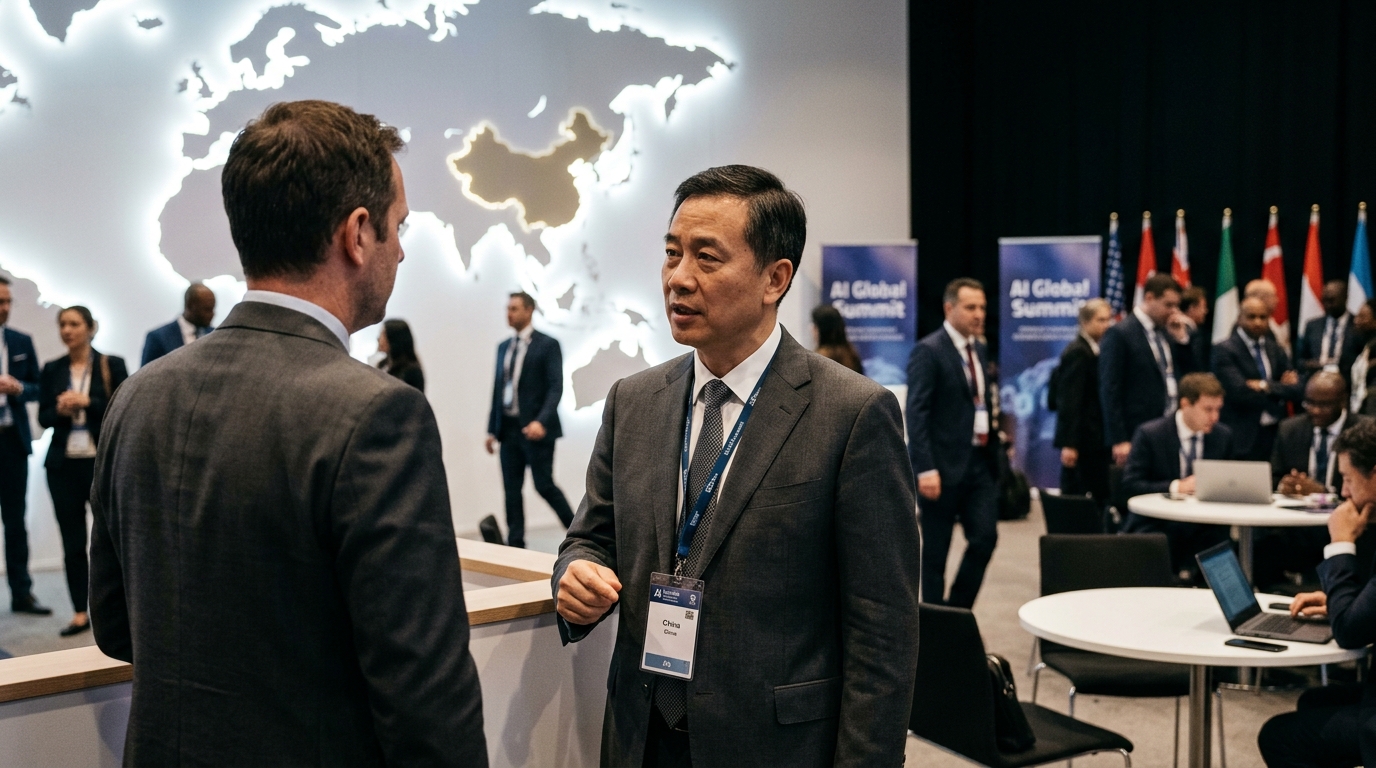
In today's artificial intelligence landscape, where the cost of compute is often cited as the single greatest barrier to innovation, a new reality is emerging from the East. Chinese tech giants, led by DeepSeek and Alibaba, have launched a ruthless price war, offering access to powerful large language models (LLMs) via APIs at prices that are roughly 1/10th the cost of Western counterparts like OpenAI’s GPT-4o or Anthropic’s Claude 3.5. However, this dramatic price reduction does not come without trade-offs, and the most significant among them is speed.
The Strategy of 'Commoditized Intelligence'
DeepSeek’s move to offer its V3 model at prices that appear almost subsidized has sent shockwaves through Silicon Valley. For many developers and enterprises, the promise of "nearly free" AI is intoxicating. According to recent benchmarks, while US firms charge an average of $5 to $15 per million tokens for their flagship models, Chinese alternatives are being offered for less than $0.50. This 90% price gap fundamentally alters the economics for applications requiring massive data processing, such as document analysis or synthetic data generation.
Yet, a performance analysis reveals a more complex picture. The latency of Chinese APIs is often double or triple that of Western providers. For a developer building a real-time conversational agent, a delay of 5-10 seconds before a response begins is a dealbreaker. The 'Time to First Token' (TTFT)—the metric measuring how long it takes for the first word to appear—is where Chinese infrastructure appears to struggle most significantly.
Geopolitics and the Silicon Ceiling
Why are these models so much slower? The answer lies partly on the geopolitical chessboard. Strict US export controls on advanced semiconductors, such as Nvidia’s H100 and H200 chips, have forced Chinese firms to become exceptionally resourceful. They are utilizing older hardware or domestic alternatives (like Huawei’s Ascend series) which, despite sophisticated software optimization, cannot match the raw throughput of Nvidia’s latest silicon.
Furthermore, the Mixture of Experts (MoE) architecture, heavily utilized by DeepSeek, allows for reduced training and inference costs but requires complex memory and network management. When this architecture runs on infrastructure not optimized for maximum interconnect speeds, latency becomes an inevitable byproduct. Chinese engineers have achieved the improbable: high intelligence on constrained hardware, but the price is paid in seconds of waiting.
The Builder’s Dilemma: Cost vs. User Experience
The market is now bifurcating into two distinct camps. On one side are "batch processing" applications where speed is secondary. If a company needs to summarize 10,000 legal documents overnight, a 10-second delay per document is negligible compared to saving thousands of dollars. Here, Chinese APIs are winning by a landslide.
On the other side are consumer-facing applications, such as digital assistants and real-time productivity tools, which demand immediacy. Silicon Valley is betting that users will continue to pay a "speed premium" for a seamless experience. However, the history of technology suggests that the "good enough" and significantly cheaper solution often displaces the gold standard, especially as infrastructure matures.
- DeepSeek and Alibaba provide APIs up to 90% cheaper than OpenAI's flagship models.
- Latency remains the primary hurdle for real-time AI applications using these services.
- US chip sanctions are directly impacting the inference speed of Chinese AI models.
- The cost-per-token metric is becoming the new battlefield for global AI dominance.
In conclusion, the Chinese AI strategy mirrors the rise of Chinese manufacturing: starting with low prices and high volume, accepting certain compromises in quality (or speed), with the goal of capturing the market share necessary to fuel future infrastructure upgrades. For builders, the choice between DeepSeek and GPT-4o is no longer just about capabilities; it is a strategic decision on where the value lies—in the company’s bottom line or the user’s time.