The emergence of artificial intelligence as the ultimate tool of geopolitical power has created a new battlefield, not on borders, but within the laboratories of Silicon Valley. Anthropic, the company founded by former OpenAI executives with a mandate for "safety" and "ethics," is now in an unprecedented standoff with the U.S. Department of Defense (Pentagon). At stake are not just billions in defense contracts, but who holds the "key" to control over the world's most advanced large language models.
The Anthropic Ethos: Constitutional AI Meets the Real World
Anthropic is not a typical tech company. Since its inception, it has invested in an approach called "Constitutional AI." The idea is simple yet revolutionary: instead of relying solely on human feedback to keep the model safe, the AI is trained to follow a set of principles—a constitution—that forbids it from generating harmful content, assisting in weapon construction, or engaging in deceptive actions.
However, this "ethical armor" is clashing directly with the Pentagon's requirements. Military analysts and strategists demand models capable of operating in "gray zone" conditions, where the distinction between what is ethical and what is necessary is often blurred. For the Pentagon, a model that refuses to answer tactical questions because it deems them "potentially violent" is a useless tool on the battlefield.
Pentagon Demands: Sovereignty and the Need for Unfiltered Intelligence
The conflict escalates around the issue of access to model weights—the internal parameters that determine how an AI thinks. The Pentagon wants the ability to "unlock" Anthropic's safety constraints for specific national security missions. DoD officials argue that depending on a private company's safety filters constitutes a risk to U.S. sovereignty.
- Decision-Making Autonomy: The military requires AI that can analyze combat scenarios without censorship.
- Accountability and Transparency: The state demands to know exactly how decisions are reached, something Anthropic guards as a trade secret.
- Response Speed: Anthropic's slow safety-vetting processes are seen as incompatible with the pace of modern cyber warfare.
Anthropic, for its part, fears that surrendering full control could allow Claude to be weaponized for mass disinformation or biological attack planning if the military bypasses core safety guardrails.
The Dual-Use Trap and the Geopolitical Arms Race
The situation is further complicated by global competition with China. Washington is pressuring U.S. AI firms to align with national interests, implying that excessive adherence to ethics could leave the U.S. behind in the arms race. "If we don't do it with our rules, Beijing will do it with no rules at all," is the recurring argument from geopolitical analysts.
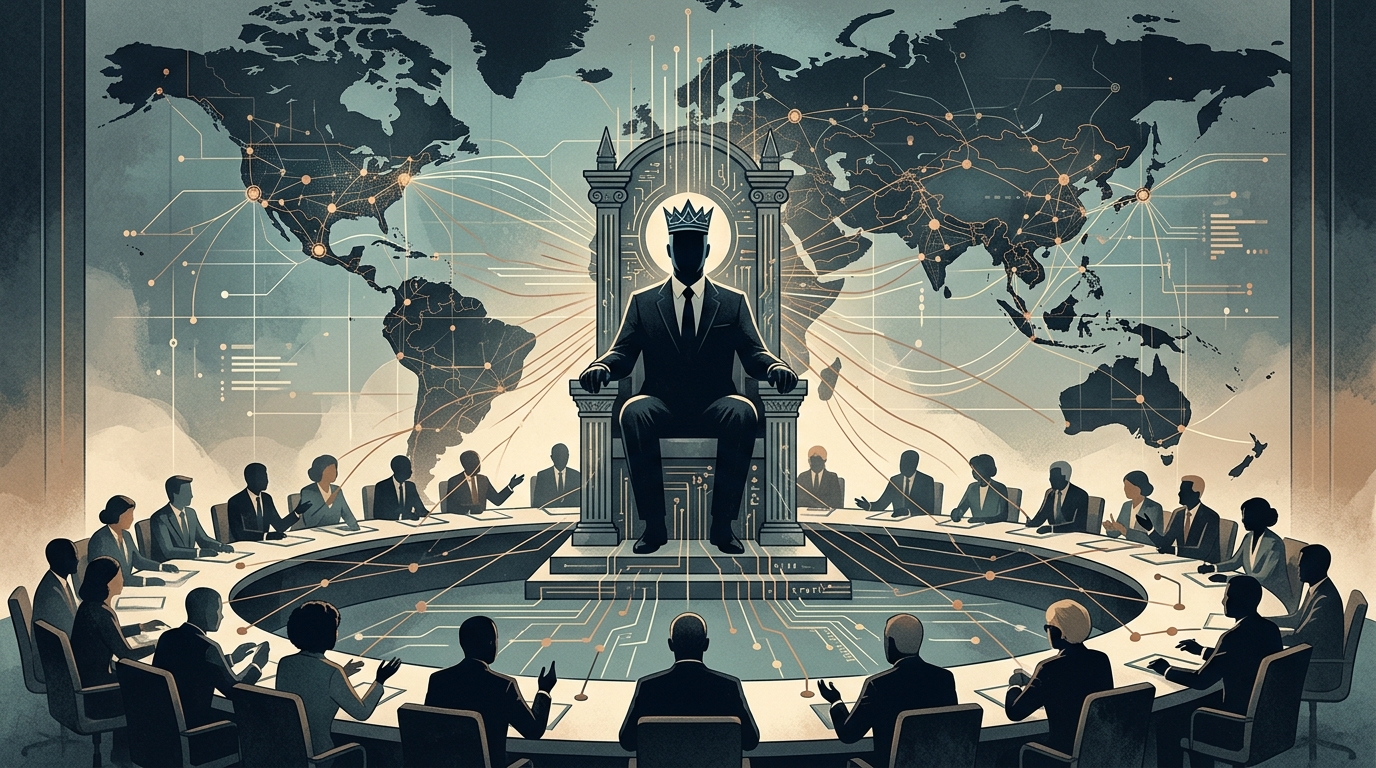
In Europe, this debate is being watched closely. While the EU promotes the AI Act, the tightening bond between Silicon Valley and the Pentagon suggests that AI is no longer a mere commercial product, but a strategic asset. Anthropic finds itself in a vice: if it yields to the Pentagon, it loses its credibility as the "safe" alternative to OpenAI. If it refuses, it risks regulatory retaliation or exclusion from critical infrastructure projects.
Accountability and the "Kill Switch" Dilemma
One of the most contentious points of the dispute is legal liability. If an Anthropic model is used by the Pentagon to direct a strike that results in civilian casualties, who bears the responsibility? The company that designed the algorithm or the officer who deployed it? Anthropic is seeking clauses that indemnify it from liability in military contexts, a demand the Pentagon is reluctant to grant fully, insisting the company guarantee the accuracy of its outputs.
"Artificial intelligence is not just code; it is an extension of human will. When that will is martial, the creator's responsibility becomes existential," says an Anthropic executive speaking on condition of anonymity.
In conclusion, the Anthropic-Pentagon clash is the first major act of a drama that will define the 21st century. The balance between technological ethics and state survival is more fragile than ever, and the decisions made today will resonate for decades to come.