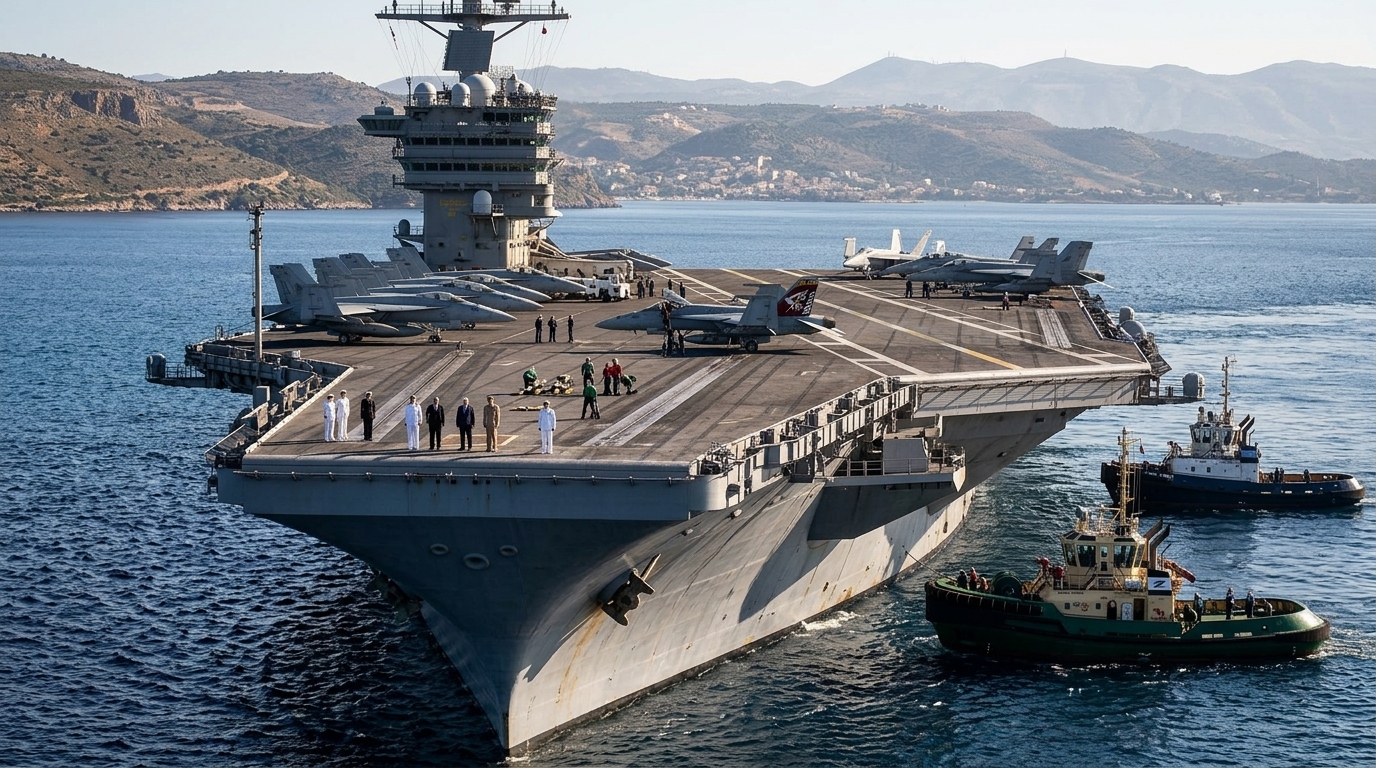
In a move that resonated through the corridors of Washington and the capitals of U.S. allies, the Secretary of the Navy was abruptly removed from his post. The decision, announced without extensive explanation by the White House, comes at an exceptionally critical juncture for American foreign policy, as provocations from Iran in the Persian Gulf and the Red Sea have intensified dangerously.
The Backdrop of a Sudden Ousting
The removal of a top civilian military leader rarely occurs in a vacuum. According to Pentagon sources, friction between the Navy Secretary and the central leadership of the Department of Defense had been simmering for months. Disagreements appeared to center on two primary axes: the pace of fleet modernization and the management of crises in Middle Eastern maritime chokepoints.
While the official line mentions a "need for fresh leadership," analysts point out that the outgoing Secretary had expressed reservations about the adequacy of resources allocated to protecting commercial shipping from Iranian proxy attacks. His insistence on a more assertive posture against Iranian provocations may have clashed with the administration's desire for de-escalation and the avoidance of a broader regional conflict.
The Iranian Factor and Maritime Security
The timing of the dismissal is the element causing the greatest concern. Iran, through the Islamic Revolutionary Guard Corps (IRGC), has increased its harassment of tankers and the deployment of loitering munitions (suicide drones) against targets it deems hostile. The U.S. Navy, as the guarantor of freedom of navigation, finds itself on the front lines of this "shadow war."
A leadership change in the Navy could be interpreted by Tehran as a sign of internal instability or indecision in Washington. However, seasoned diplomats argue the opposite: that this move paves the way for a more coordinated and perhaps tougher response, under a leadership that will be perfectly aligned with the National Security Council's directives.
Internal Strife and Defense Procurement
Beyond the geopolitical dimension, the ousting highlights deep-seated internal conflicts regarding the future of the American fleet. The transition from traditional aircraft carriers to unmanned vessels and AI-driven systems is a major point of contention. The outgoing Secretary was viewed as a proponent of the "old school," pushing for the maintenance of a large fleet of manned ships at a time when the Pentagon is pivoting toward more agile and technologically advanced solutions.
Pressure for leadership changes did not only come from the administration but also from members of Congress demanding greater transparency in shipbuilding costs. Delays in the delivery of new Virginia-class submarines and budget overruns for next-generation destroyers had created a volatile environment, which ultimately led to the Secretary's exit.
Implications for Global Strategic Balance
This removal also sends a message to U.S. allies, particularly within the framework of the AUKUS agreement and the Indo-Pacific strategy. Stability in Navy leadership is vital for deterring not only Iran but also China. Washington must now swiftly find a successor capable of bridging the gap between strategic requirements and political realities, ensuring that U.S. maritime power remains undisputed.
In conclusion, the "beheading" of the Navy Secretary is not merely an administrative shift. It is a reflection of the tectonic changes occurring on the global geopolitical stage, where dominance of the seas remains the ultimate stake of power. The coming days will reveal whether this move brings the desired unity or opens a new cycle of uncertainty at the heart of the American defense machine.