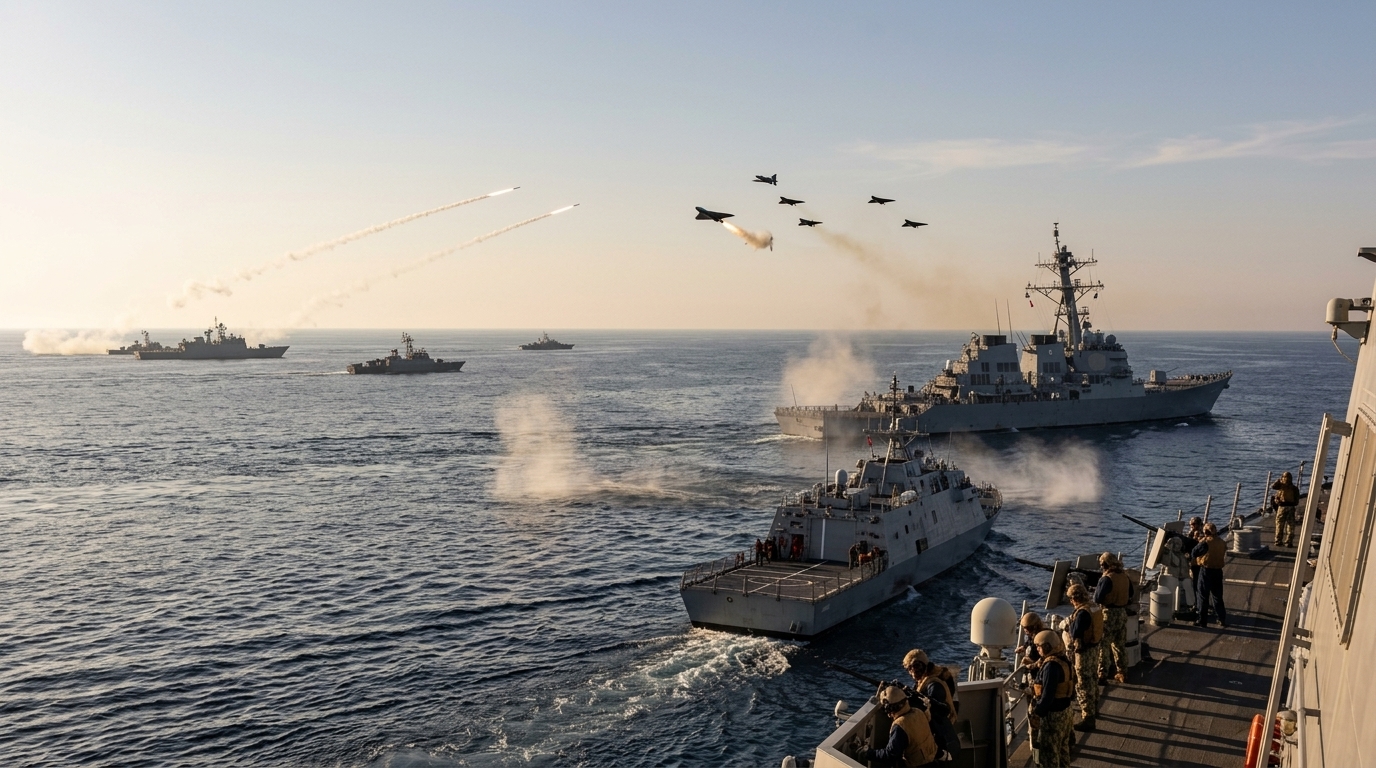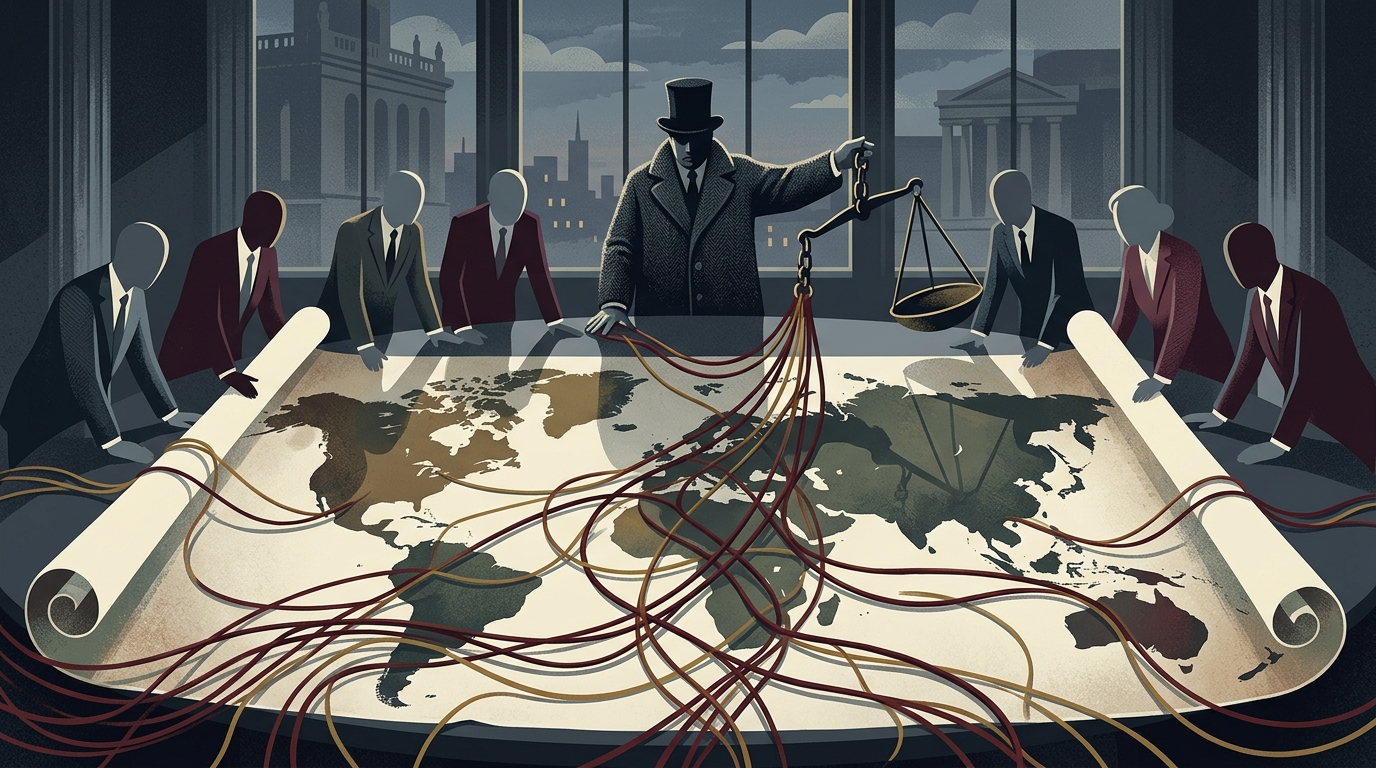
South Asia has for decades been one of the world's most volatile nuclear flashpoints. The rivalry between India and Pakistan, two nuclear-armed states with shared borders and a long history of conflict, is now entering a new, even more unstable phase. The cause is the rapid integration of Artificial Intelligence (AI) into nuclear command, control, and communications (NC3) systems. As algorithms take on roles in intelligence data analysis and real-time decision-making, the risk of a nuclear accident or an escalatory spiral triggered by error is increasing exponentially.
The Compression of Time and Automated Escalation
The primary challenge AI introduces to nuclear deterrence is the dramatic compression of reaction time. In the past, leaders had several minutes—if not hours—to verify a threat and decide on a response. With the advent of hypersonic missiles and AI-enhanced early warning systems, this window is closing. The "speed of thought" is being replaced by the "speed of code."
In South Asia, where geographical proximity means a missile can strike its target in less than five minutes, the temptation for algorithmic support becomes immense. However, this creates the phenomenon of a "flash war"—a conflict that begins and escalates before humans can even comprehend what is happening. If an algorithm misinterprets a routine missile test or a localized cyberattack as an imminent nuclear strike, the automated response could be catastrophic.
Deepfakes and the Erosion of Truth in Crisis
Another critical risk factor is the use of AI to generate sophisticated misinformation. During periods of high tension, the use of deepfakes—synthetic videos or audio clips depicting leaders giving attack orders or declaring war—could mislead the intelligence services of the opposing side. The difficulty of distinguishing between reality and digital fabrication under extreme pressure erodes trust in official communication channels.
Furthermore, AI can be used to track mobile missile launchers, which have traditionally served as the guarantee of a "second-strike capability." If a nation believes that an adversary's AI can locate and destroy its entire nuclear arsenal in a first strike, it is pushed toward a "use it or lose it" logic, significantly increasing the likelihood of a preemptive nuclear launch.
Asymmetric Ambition and the Lack of Guardrails
India is investing heavily in AI, aiming to become a global leader in the field, often in collaboration with the United States. Pakistan, for its part, views this development as a threat to the strategic balance and is turning to China for equivalent technological support. This software-level arms race lacks the safeguards that existed during the Cold War.
- There are no bilateral agreements restricting the use of AI in military applications.
- Communication hotlines are often inactive or vulnerable to cyber-disruption.
- A lack of transparency regarding the level of autonomy granted to AI systems creates dangerous uncertainty.
The international community must push for the establishment of "digital red lines." It is essential to ensure that a human remains "in the loop" for every decision concerning the use of nuclear weapons. Technology can assist in analysis, but the moral and political responsibility of the nuclear trigger cannot be delegated to a neural network.
Conclusion: The Need for a New Diplomacy
Artificial Intelligence is not the problem in itself, but rather a force multiplier of both power and risk. In South Asia, where territorial disputes remain open wounds, the introduction of algorithms into the strategic equation makes peace more fragile than ever. The need for a new form of "digital diplomacy" is urgent. Without clear rules of engagement and a mutual understanding of the limits of AI, the future of the region—and potentially the world—hangs by a thread of code.