When Netflix began its global conquest a decade ago and YouTube started replacing the remote control for younger generations, the promise was clear: the end of traditional television. They promised a world without ads, without schedules imposed by program directors, and without the need to wait for a specific time to watch our favorite show. However, as we reach mid-2026, the reality is ironic. The "revolutionaries" of the digital age are not just borrowing the tools of old TV; they are gradually transforming into the very networks they once threatened to annihilate.
The Return of Upfronts and the Advertising Pie
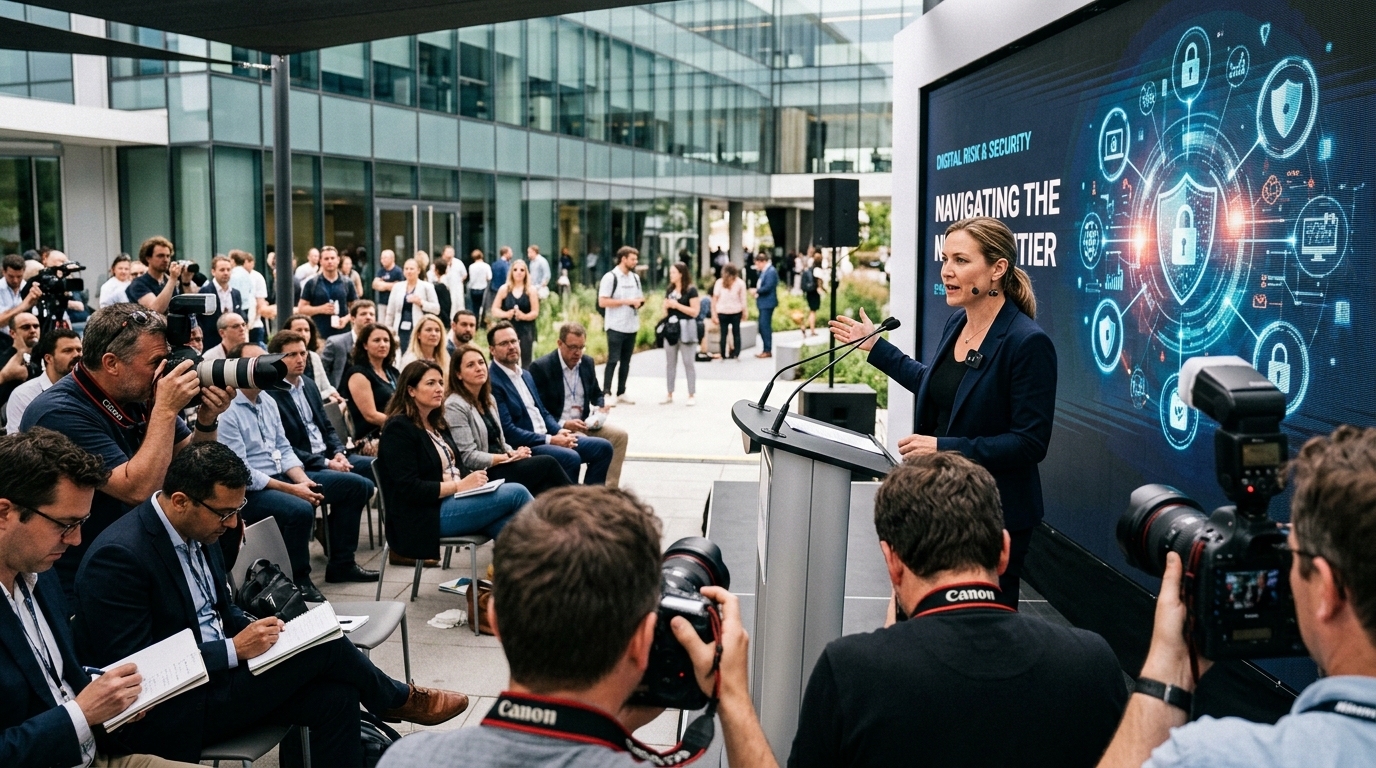
In recent weeks, the moves of YouTube and Netflix have strongly echoed the golden eras of NBC or the BBC. YouTube held a series of high-profile presentations to advertisers, known as "Upfronts," showcasing a new slate of premium programming from top creators. The goal is clear: to convince major market players that YouTube is no longer a place for amateur videos, but a destination for prime-time entertainment worthy of billions in ad spend.
Netflix, for its part, has accelerated the growth of its advertising tier. After years of staunch refusal, the platform discovered that the subscription base has limits. To sustain growth, ads are essential. According to recent data, Netflix's ad-tier now accounts for a significant percentage of new sign-ups, offering a cheaper alternative in a world plagued by digital entertainment inflation. The user experience is starting to look dangerously like 1990s television: commercial breaks between scenes of "Stranger Things" or the new 2026 productions.
Live Broadcasts and the Quest for Moments
Perhaps the most glaring evidence of this convergence is the shift toward live content. Traditional TV has survived in recent years primarily thanks to sports and live events – content that must be consumed "now" to have value. YouTube and Netflix have understood this well. YouTube TV has already become the primary destination for the NFL Sunday Ticket in the US, while Netflix is investing billions in live broadcasts of WWE matches, tennis, and special comedy events.
"Linear television didn't die; it just changed IP addresses. Users are seeking out the shared experience of simultaneous viewing again, and platforms are eager to provide it," notes a market analyst.
This shift toward "appointment viewing" is a complete reversal of the binge-watching culture. Platforms are realizing that releasing all episodes of a series at once exhausts interest quickly and increases the likelihood of users canceling their subscription after a month. Gradual episode releases and live streams keep the viewer engaged for longer periods, exactly as television networks did for decades.
The Illusion of Choice and FAST Channels
Another interesting trend is the rise of FAST (Free Ad-supported Streaming TV) channels. These are channels within platforms that play a continuous stream of content, without the user having to choose anything. It is the ultimate passive experience. YouTube has integrated such features, allowing viewers to "get lost" in a video stream selected by the algorithm, reminiscent of traditional channel surfing. Choice fatigue has led consumers back to the comfort of having someone else – or some algorithm – decide for them.
Furthermore, we are seeing the return of "bundling." Telecommunications companies and the platforms themselves now offer combined subscriptions (e.g., Netflix, Disney+, and Hulu for one price), strongly reminiscent of cable TV packages. The market has come full circle: from fragmentation and freedom, we are returning to consolidation and advertising, with the difference that now our data is the primary currency of transaction.
Conclusion: The Future is Hybrid
The evolution of YouTube and Netflix shows that the laws of media economics are relentless. The need for scalable revenue and advertisers' desire for safe, scheduled content override the original technological utopia. In 2026, the distinction between "TV" and "streaming" is negligible. What remains to be seen is whether content creators will be able to maintain their freedom within this new-old system, or if they will simply become cogs in a digital viewing machine that cares more about ad impressions than artistic innovation.