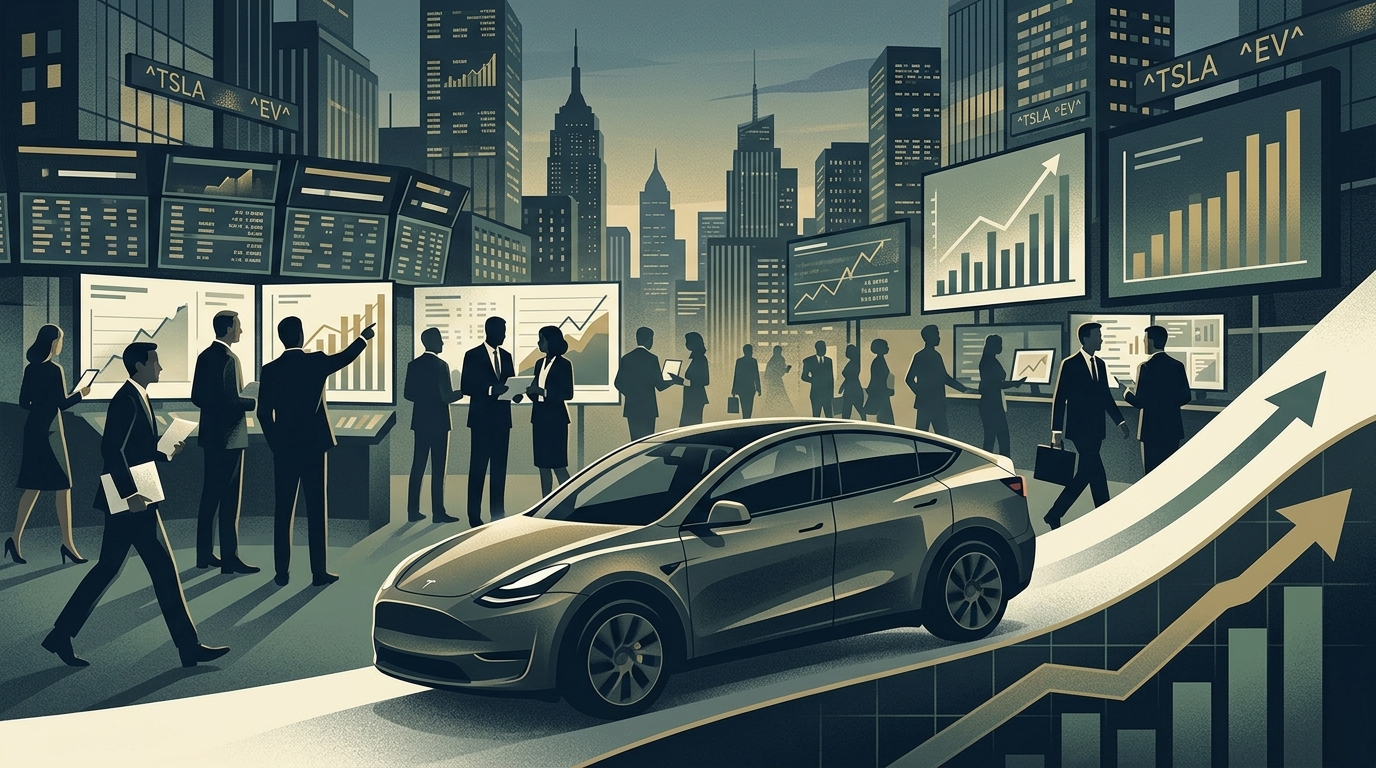
The electric vehicle (EV) market is navigating a period of significant turbulence, and Tesla, the industry’s undisputed bellwether, finds itself once again at the center of the storm. Elon Musk’s recent decision to raise the price of the Model Y by $1,000 in the United States is more than just a minor accounting adjustment; it is a move laden with symbolism and strategic implications for the future of the automotive industry.
The 'Yo-Yo' Pricing Strategy
For over a year, Tesla pursued a hyper-aggressive price-cutting strategy. The goal was simple: suffocate the competition and maintain market dominance, even at the expense of the company’s own profit margins. However, this approach backfired in terms of consumer psychology, creating a sense of hesitation as potential buyers waited for the next discount before pulling the trigger. The new $1,000 increase on the Long Range and Performance variants of the Model Y suggests that Tesla is now attempting to stabilize resale values and reassure investors who have watched profitability erode.
This price hike comes at a time when global EV demand is showing signs of fatigue. High inflation and elevated interest rates have made purchasing a new vehicle a daunting financial decision for the average household. Nevertheless, Tesla seems to be betting on its brand loyalty and the technological supremacy of the Model Y, which earned the title of the world’s best-selling car in 2023, eclipsing traditional internal combustion engine mainstays.
The Competitive Landscape and the Chinese Challenge
One cannot analyze Tesla’s maneuvers without looking toward the East. Chinese automakers, led by BYD, have launched a formidable counter-offensive, offering models with competitive specs at significantly lower price points. While Tesla remains the most prestigious EV brand, it is feeling the heat. The price increase in the US could also be interpreted as an effort to build a financial buffer as the company prepares for the launch of the refreshed Model Y, codenamed 'Juniper.'
- The increase primarily targets the US market, which remains Tesla's most profitable geographic segment.
- Gross margins had dipped to multi-year lows, sparking concern among Wall Street analysts.
- This move may serve as a psychological nudge for indecisive buyers to secure a purchase before further potential hikes.
Economic Implications and Consumer Sentiment
From an economic perspective, a $1,000 increase might seem negligible on a vehicle costing upwards of $45,000, but its semiotic weight is substantial. It signals that Tesla believes the market has reached a point of equilibrium. Furthermore, the company is attempting to navigate the volatile costs of raw materials, such as lithium. Per-unit profitability is now the new priority, as the era of 'growth at any cost' gives way to a more mature phase of corporate management.
"This isn't just a price hike; it's a statement of confidence in our product's value proposition," suggested sources close to the company's strategy.
However, risks remain. If competitors continue to slash prices, Tesla risks losing market share at a critical juncture. The balance between maintaining a 'premium' brand image and the necessity for mass-market volume is a tightrope that Musk must walk carefully. The coming months will reveal whether consumers will accept this new pricing reality or if they will pivot toward more affordable alternatives, potentially accelerating the democratization of EVs through other manufacturers.