In a move that fundamentally reshapes the global landscape of advertising and data technology, the French communications giant Publicis Groupe has announced the acquisition of US-based data connectivity platform LiveRamp for $2.2 billion. This deal, expected to close later this year, represents the final and perhaps most critical piece of the strategic puzzle assembled by Publicis CEO Arthur Sadoun to transform a traditional advertising holding company into a global powerhouse of data and artificial intelligence.
The Strategy of Identity in a Post-Cookie World
The acquisition of LiveRamp is more than just a financial transaction; it is a strategic response to the single greatest challenge facing digital advertising in the last decade: the demise of third-party cookies. As browsers like Google’s Chrome phase out the ability for advertisers to track users across the web, the need for first-party data and robust identity solutions has become paramount.
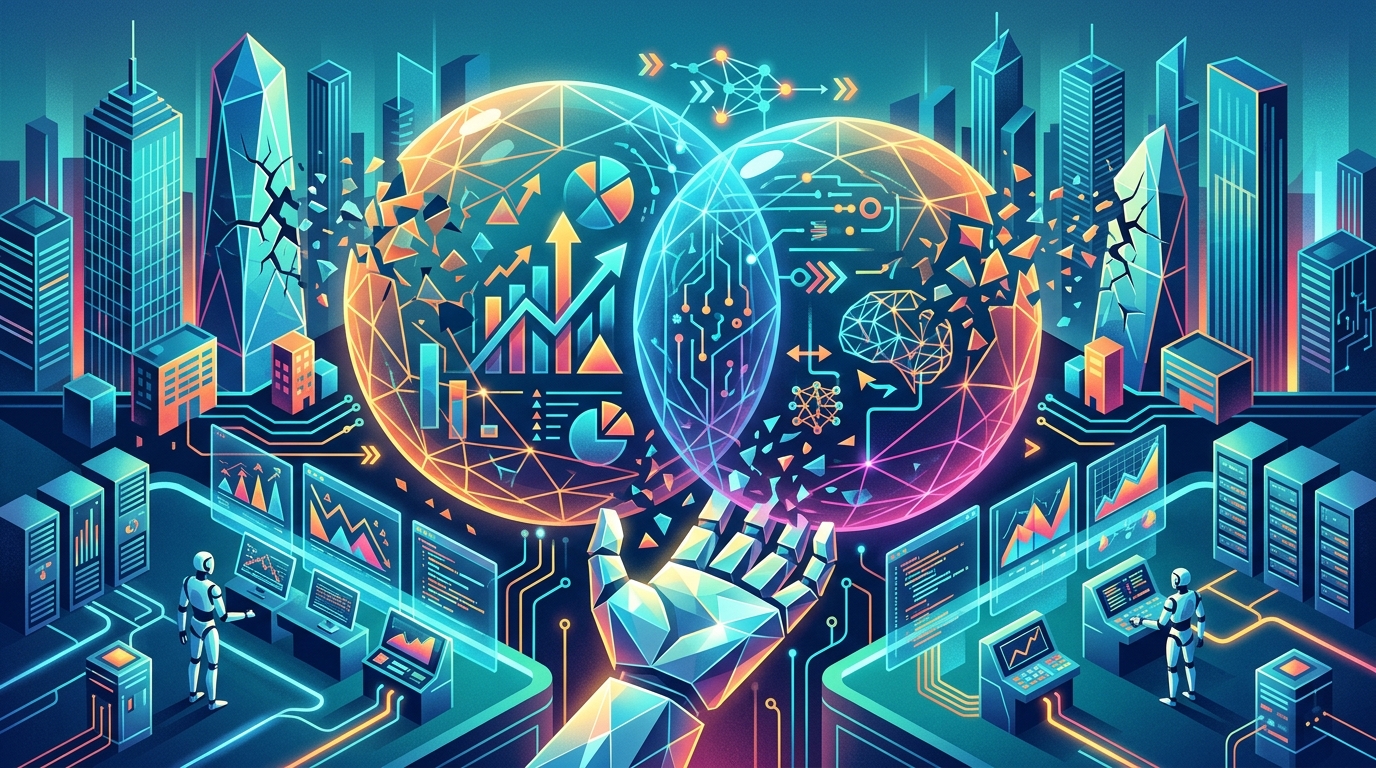
LiveRamp specializes in what is known as "identity resolution." Its platform allows companies to anonymously connect data from disparate sources—such as in-store purchases, loyalty program sign-ups, and website visits—into a single, unified consumer profile without compromising privacy. For Publicis, which already owns Epsilon (acquired in 2019 for $4.4 billion), the addition of LiveRamp creates an unrivaled data ecosystem.
- Real-time data integration across multiple channels.
- Precision targeting capabilities independent of third-party cookies.
- Supercharging CoreAI, Publicis’s proprietary AI engine.
Financial Implications and Market Reaction
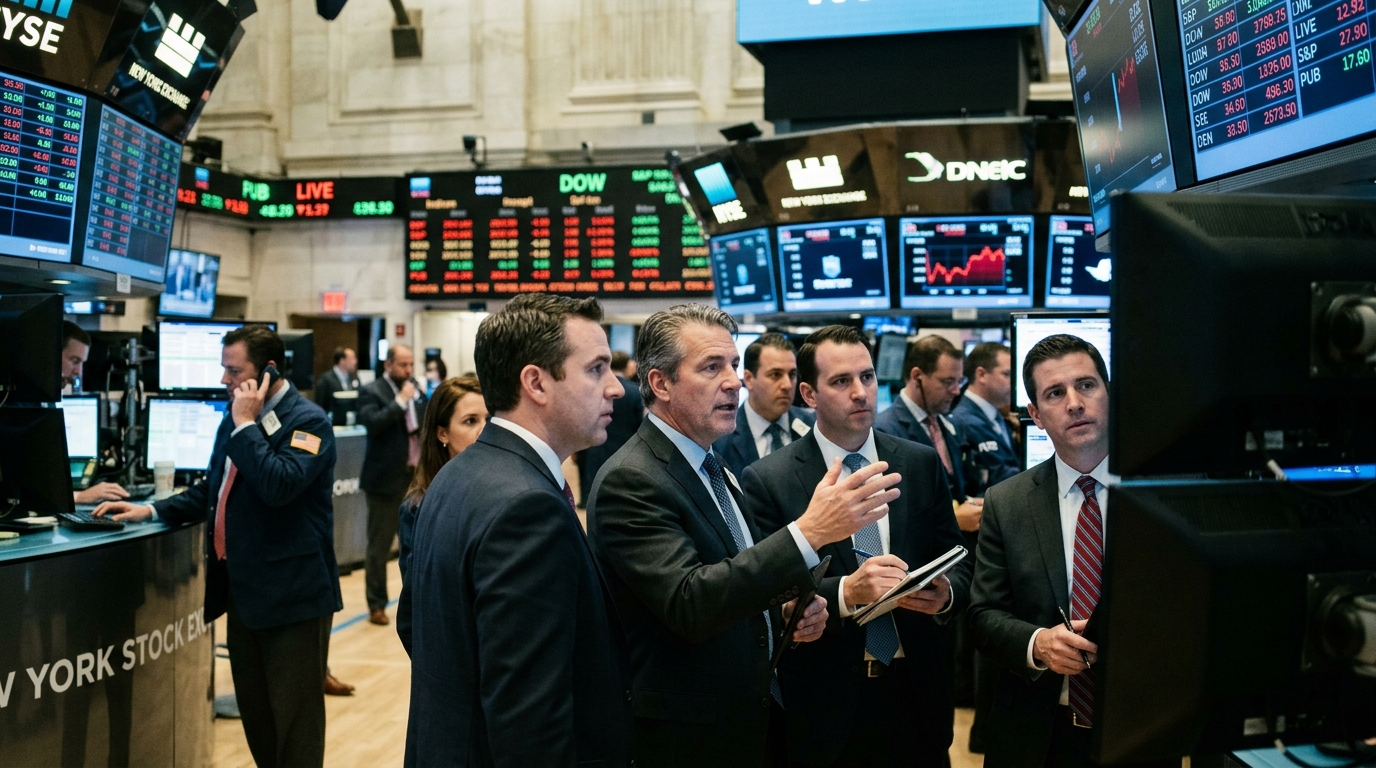
The $2.2 billion price tag represents a significant premium over LiveRamp’s recent trading valuation. However, analysts on Wall Street and Euronext generally view the deal with optimism. Publicis has a proven track record of successfully integrating major tech acquisitions, such as Sapient and Epsilon, and leveraging them to increase profit margins through high-value consulting and data services.
This move places Publicis in a position of strength relative to its traditional peers, such as the UK’s WPP and the US-based Omnicom. While competitors are still grappling with the shifting sands of Google and Meta’s algorithms, Publicis is building its own independent data infrastructure. The market recognizes that the fusion of creative agency intuition with the raw processing power of a data firm is the "holy grail" of modern marketing.
"We aren't just buying a company; we are acquiring the future of personalized communication," said a source close to Publicis leadership.
Privacy Concerns and Regulatory Hurdles
Despite the strategic logic, the acquisition is not without its risks. LiveRamp operates in a highly scrutinized environment, particularly with the enforcement of GDPR in Europe and CCPA in California. The concentration of such vast amounts of consumer data under one corporate umbrella is likely to attract the attention of antitrust regulators in both the US and the EU.
Furthermore, there is the ethical question of "permanent identification." LiveRamp’s technology enables "deterministic matching," which is far more accurate than previous probabilistic methods. This means advertisers will potentially know more about consumers than ever before, raising questions about where consumer service ends and digital surveillance begins. Publicis will need to carefully balance profitability with public trust at a time when consumers are increasingly protective of their digital footprints.
The Future: AI and Predictive Advertising
With the completion of this deal, Publicis is expected to accelerate the development of AI tools capable of predicting consumer behavior before it even happens. Access to LiveRamp’s data will provide Publicis’s algorithms with high-quality "fuel," allowing for the creation of advertising campaigns that adapt in real-time based on who is viewing them, their location, and their purchase history.
In conclusion, Publicis’s acquisition of LiveRamp marks the end of advertising as merely an "art of impressions" and its definitive transition into a "science of data." The French group is no longer just aiming for trophies at Cannes; it is aiming for dominance over the algorithms that drive global consumption.