The pandemic era may have receded into the archives of history for most, but the social scars it left behind remain deep and, as it turns out, are being transformed into lucrative business opportunities. Dating apps catering exclusively to individuals who chose not to be vaccinated against Covid-19, such as Unjected and PureBlood.Dating, are now entering a new phase: in-person (IRL) meetups. This shift from digital swiping to physical gatherings has sparked a wave of outrage and intense debate regarding ethics, science, and the ongoing fragmentation of society.
The Rise of Ideological Dating
For years, mainstream dating apps like Tinder, Bumble, and Hinge encouraged users to display their vaccination status, even offering special badges to facilitate dating in a world fearful of transmission. For a significant minority, however, this move was perceived as a form of medical apartheid. This vacuum was filled by platforms like Unjected, which bills itself as the "world's largest health freedom community."
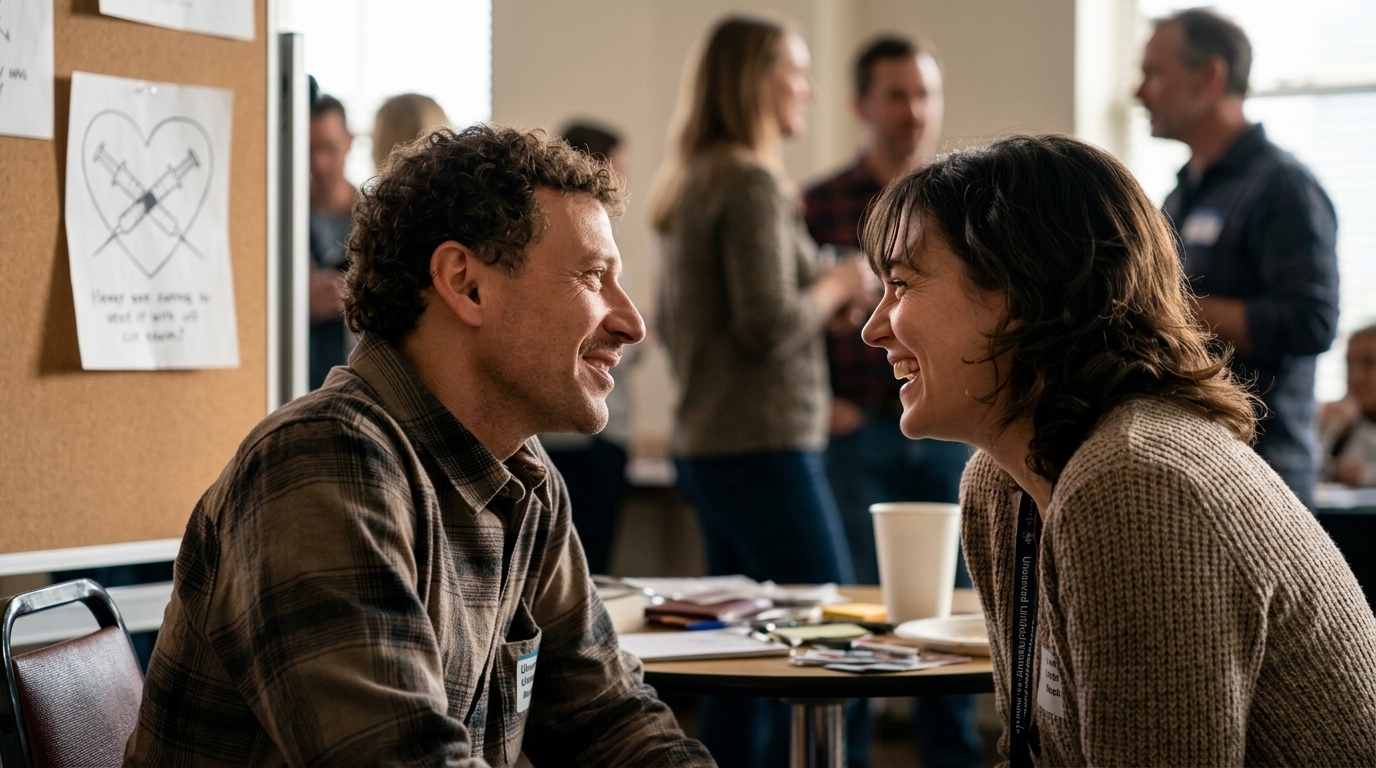
What began as a simple dating app has evolved into something much larger. The founders of these platforms are now organizing mixers, dinners, and social events in various cities across the US and Europe. Participants aren't just looking for a partner; they are looking for a community that shares the same distrust of institutions, scientific consensus, and government mandates. The transition to physical space signals the solidification of a subculture that no longer wishes to integrate into the mainstream but rather to create a parallel world.
The "PureBlood" Controversy
One of the most contentious issues in this evolution is the terminology used. The term "PureBlood," borrowed from Harry Potter fiction but carrying dark historical undertones reminiscent of eugenics, has been adopted by many users of these apps. For them, it is a badge of honor implying that their DNA remains "untouched" by mRNA technology. For critics, however, the term is deeply offensive and dangerous, suggesting a biological superiority based on pseudoscientific arguments.
The outrage expressed on social media and by public health experts is not just about the aesthetics of names. There is a profound concern that these events act as echo chambers where health misinformation is normalized and amplified. When people isolate themselves into groups based on the rejection of science, the likelihood of reintegrating into social discourse diminishes dramatically.
The Business of Polarization
Behind the ideological facade lies a harsh economic reality. Shelby Thomson, co-founder of Unjected, has stated that the platform is not just about dating but about creating an entire ecosystem: from blood banks for the unvaccinated to job listings. This effort to build a "parallel economy" shows that polarization is highly profitable. Users are willing to pay subscriptions and event tickets to feel safe and accepted.
However, the question remains: are these apps a legitimate expression of freedom of association or a threat to social cohesion? Proponents of bodily autonomy argue they have every right to choose who they associate with and what they put into their bodies. On the other hand, sociologists warn that segregating people based on medical data could lead to a new form of class or ideological divide that will be impossible to bridge in the future.
Conclusion: A Divided World
The proliferation of IRL events from apps like Unjected is the latest symptom of a society struggling to find common ground. As technology allows us to filter reality according to our beliefs, encountering the "other" becomes increasingly rare. The fact that people are "mad as hell" about these apps shows that the pandemic's wounds remain open, and the battle over what constitutes "truth" and "safety" is now moving from smartphone screens to restaurant tables and event halls.