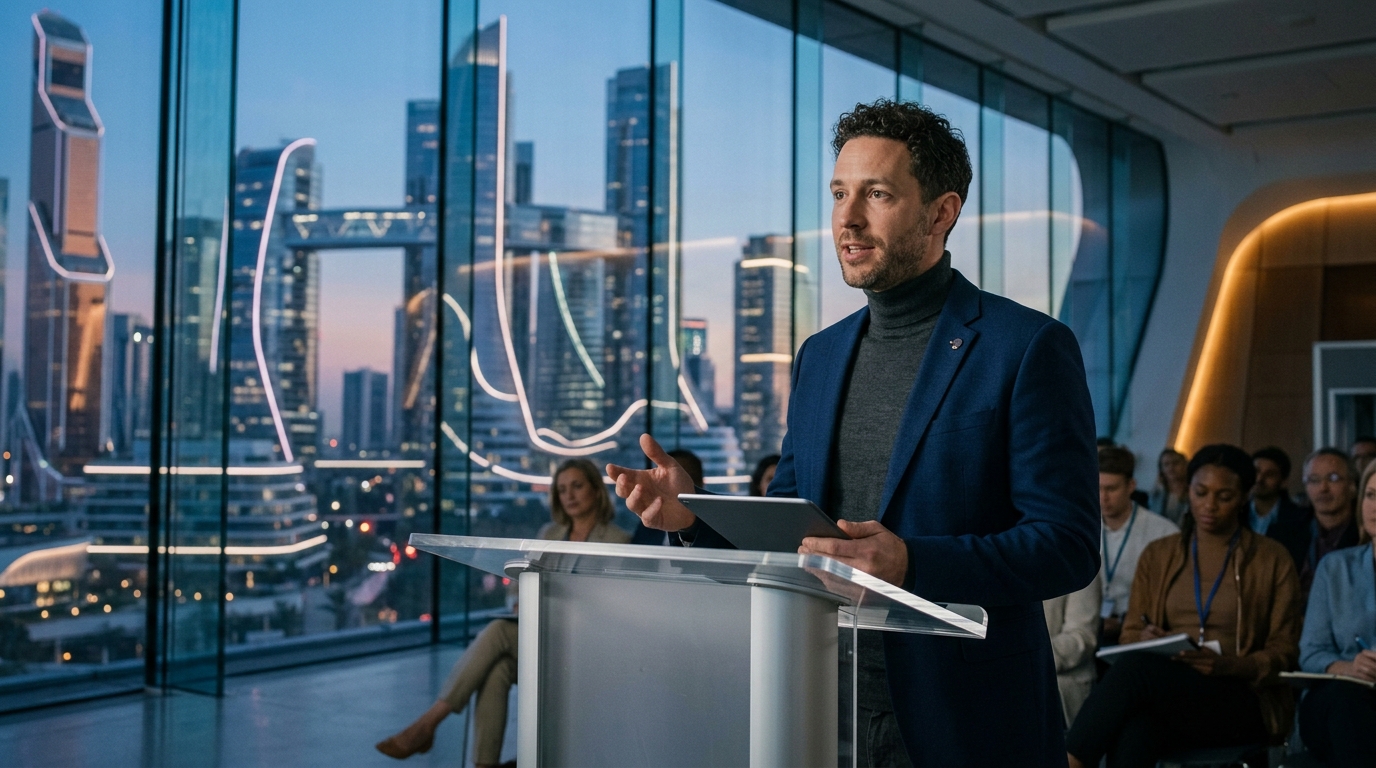
In the twilight of the 2026 academic year, graduation ceremonies across the United States have transformed into an unexpected ideological battleground. While many tech leaders and corporate CEOs were met with icy silence or outright heckling, one veteran of the digital revolution managed to electrify the crowd. Steve Wozniak, the man who once hand-wired the future in the Jobs family garage, didn't talk about processing power or the supremacy of Large Language Models (LLMs). Instead, he championed the one thing technology strives to mimic but can never fully capture: the human spirit.
The Authenticity Gap
This year’s commencement season has been defined by a palpable exhaustion among Gen Z and Gen Alpha regarding the narrative of "inevitable" AI dominance. At universities from New York to California, speakers who attempted to sugarcoat the displacement of jobs by automation or used sterile, corporate jargon to describe the future faced significant pushback. Wozniak’s case, however, was a striking outlier. "Woz" didn't appear as a detached billionaire, but as a perennial student and engineer who refuses to bow to digital convenience.
In his speech, which rapidly went viral, Wozniak emphasized that technology must remain a tool in service of humanity, rather than the other way around. "AI can synthesize information, but it cannot feel the ecstasy of discovery," he remarked. This distinction between "information" and "experience" resonated deeply with thousands of graduates, who saw in Wozniak an ally in their struggle to maintain identity in an increasingly digitized world.
AI as a Mirror, Not a Creator
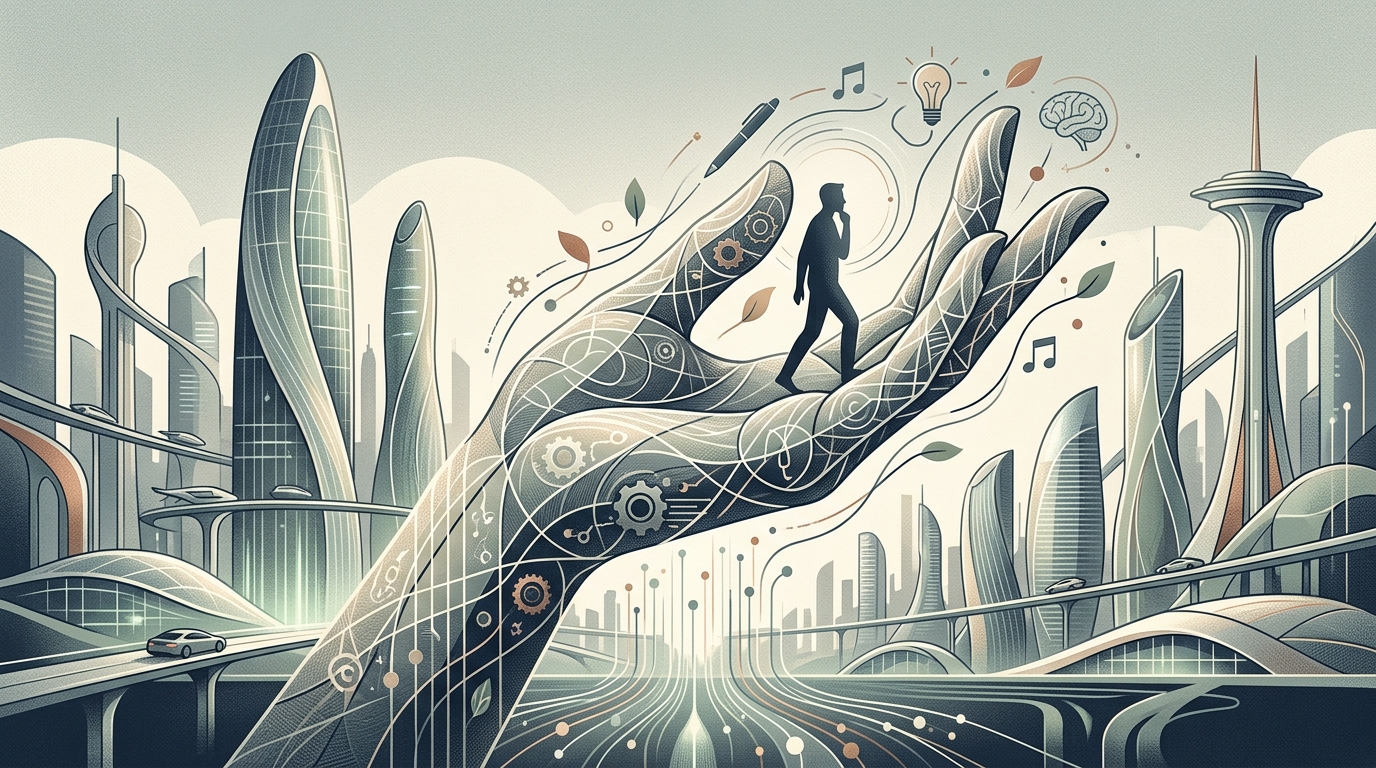
Wozniak provided a nuanced critique of the current AI obsession, describing it as an "extraordinary mirror" of human knowledge that nonetheless lacks a moral compass and original inspiration. According to Wozniak, AI is fundamentally backward-looking—it relies on data we have already produced. Human thought, conversely, possesses the unique ability to take a "leap into the unknown," creating something from nothing based on intuition and emotion.
- The Power of Intuition: Woz pointed out that Apple’s greatest innovations didn't stem from data analytics, but from a desire to make technology more friendly and accessible.
- The Ethics of Engineering: He urged young engineers not to build systems that simply "work," but systems that "protect" human autonomy and privacy.
- The Value of the Mistake: In a world where AI seeks perfect optimization, Wozniak defended the human right to fail as a primary source of learning and serendipitous creativity.
A Message to the New Generation
The reception Wozniak received highlights a broader societal shift. After years of unbridled technological optimism, we have entered a phase of critical reflection. The students who cheered him are not Luddites; they are the generation that will develop these technologies further. However, they are searching for a purpose beyond mere profit and efficiency.
"Never let an algorithm tell you who you are or what you can achieve. Your own spark is the only thing that cannot be encoded," Wozniak concluded.
Wozniak’s stance stands in stark contrast to other Silicon Valley leaders who promote a future where human intervention is optional. For Woz, technology without humanism is just "noise." As the Class of 2026 enters the workforce, this message serves as a vital reminder: their value lies not in their ability to outpace machines, but in their capacity to guide them with wisdom and empathy.
Conclusion: The Revenge of the Human Element
Steve Wozniak’s speech was more than just a moment of nostalgia from an industry titan. It was a political and social manifesto regarding the future of labor and creation. In a world flooded with synthetic content, authenticity has become the most valuable currency. Wozniak reminded us that the heart of innovation does not beat inside a data center, but inside the minds of those who dare to challenge the status quo. For that, the students gave him more than just applause; they gave him their trust.