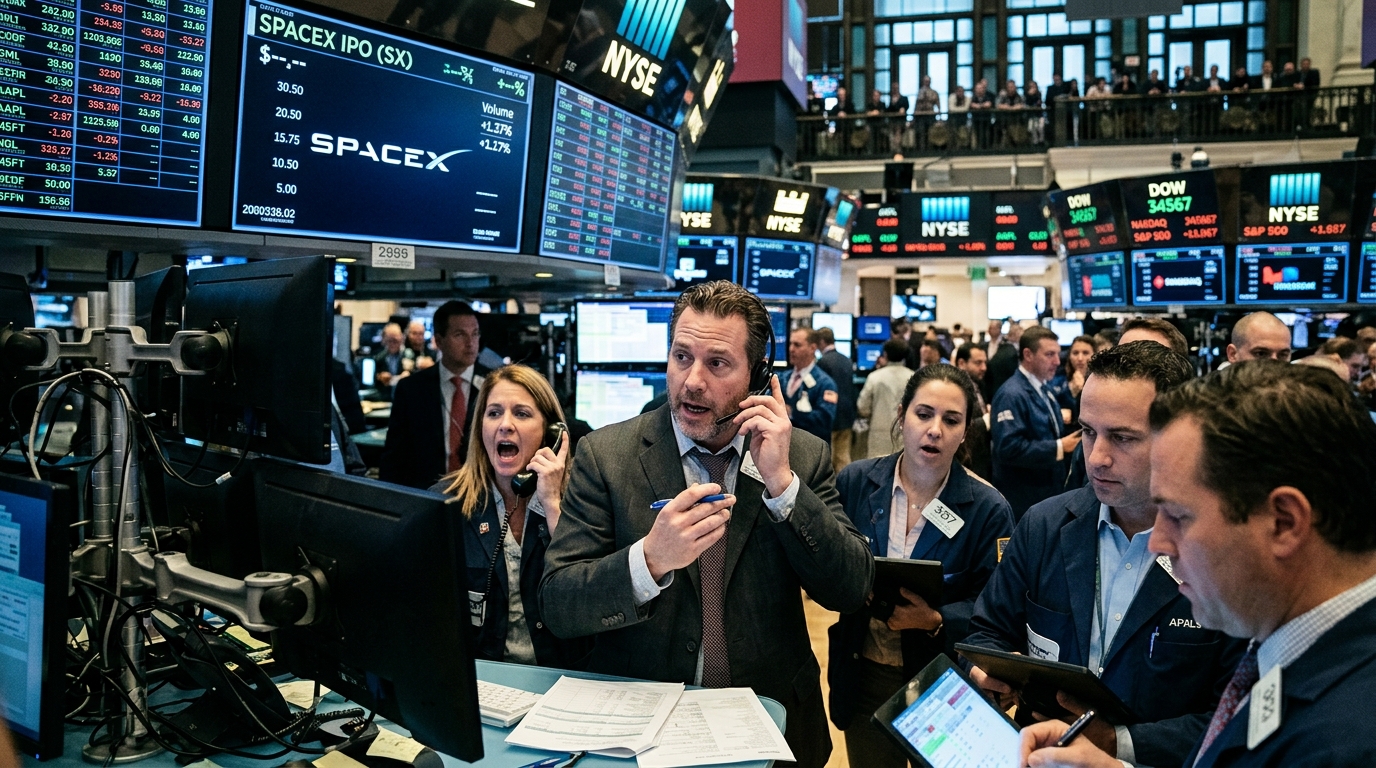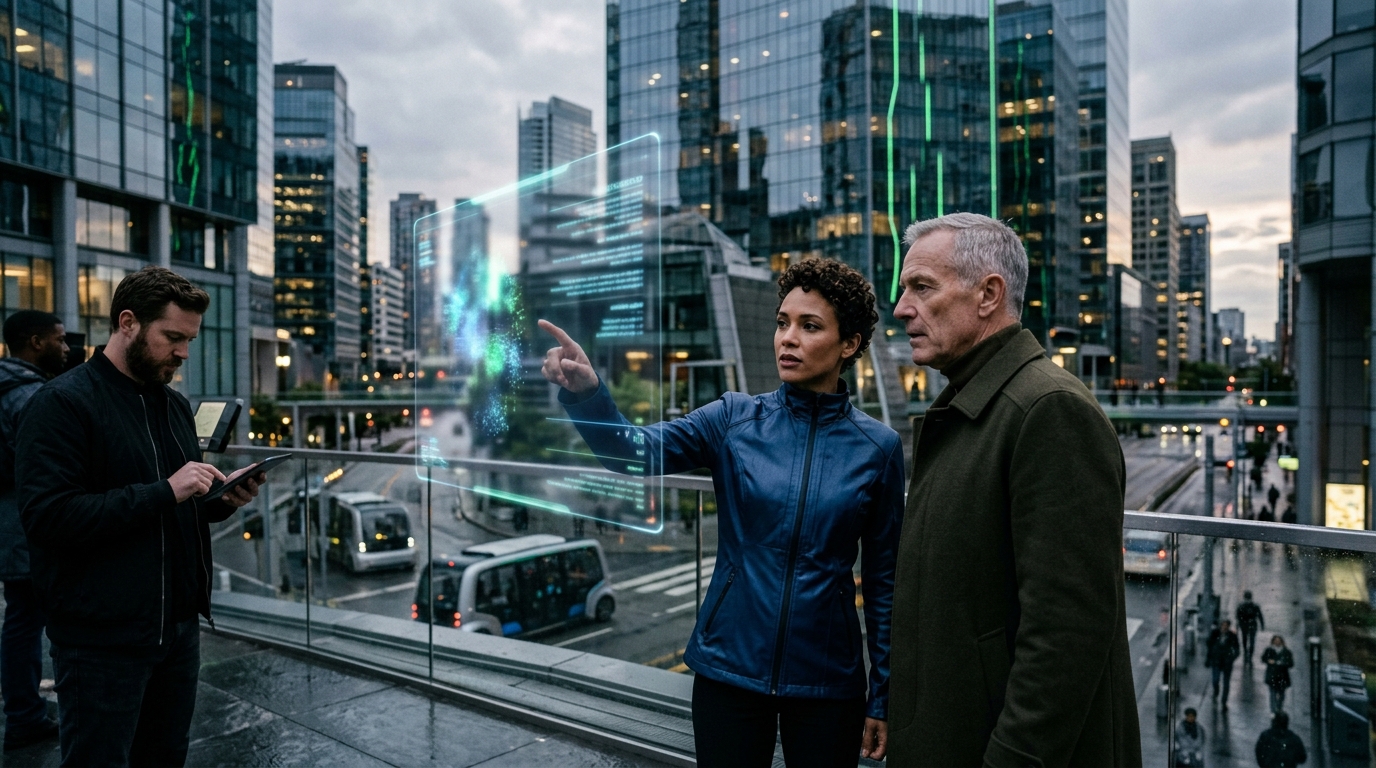
As we enter the first days of June 2026, the world faces an unprecedented convergence of events that test the resilience of international institutions. Today's news is no longer a series of isolated incidents but a web of interconnected crises where technology, politics, and geostrategy collide. From the US primary elections to the ongoing strikes in Kyiv, the common thread running through the global stage is the burgeoning influence of Artificial Intelligence (AI) and the efforts to curb its 'weaponization.'
The Digital Siege of Democratic Processes
The June primaries in the United States are more than just a measurement of political clout; they are a litmus test for resilience against digital disinformation. 2026 has emerged as the year of 'algorithmic propaganda.' With the deployment of advanced generative models, creating hyper-realistic deepfakes and automated influence campaigns has become easier than ever. Voters are now tasked with discerning truth within an ocean of synthetic content, while authorities scramble to fortify the integrity of the electoral process.
The concern extends beyond content to infrastructure. The use of AI for voter data analysis allows for a level of micro-targeting so precise it verges on psychological manipulation. This phenomenon has sparked intense debates over the need for new regulatory frameworks to protect citizen autonomy in the digital age. The question is no longer if AI will influence elections, but whether the electorate can still make independent choices.
Energy and Geopolitics: The Price Equation
Simultaneously, the global economy remains hostage to fluctuations in fuel prices. Gas prices, a traditional barometer of political discontent, continue to pressure households. However, the difference in 2026 lies in how these resources are managed. Artificial Intelligence is now extensively used in commodity markets to forecast demand and optimize supply chains, yet geopolitical tensions often override any technological gains.
The situation in Ukraine remains the primary unpredictable factor. Recent attacks on Kyiv are not merely military operations but strikes against energy infrastructure that ripple through global markets. The use of autonomous drones, equipped with AI for target recognition without human intervention, marks a new, dark chapter in the history of warfare. Technology that promised to solve efficiency problems is now being used to deliver surgical strikes against critical grids.
The ‘Anti-Weaponization’ Fund and the Ethics of AI
In this climate, the establishment of the so-called ‘anti-weaponization’ fund represents a significant political development. This initiative aims to protect citizens and organizations from the abuse of state and corporate power through technology. The discussion focuses on how data and algorithms can be weaponized to silence voices or enforce specific ideological agendas.
- Protecting privacy from state-sponsored surveillance.
- Ensuring freedom of speech across digital platforms.
- Limiting the power of Big Tech in shaping public opinion.
Artificial Intelligence is at the heart of this battle. While it offers tools to improve our lives, its ability to analyze and control vast amounts of information makes it the ultimate tool of enforcement. The question posed in the summer of 2026 is whether humanity can build institutional safeguards before the technology becomes uncontrollable.
"Technology is never neutral; it is the mirror of the intentions of those who possess it. In 2026, this mirror is beginning to show a face we may not be ready to face."
In conclusion, the news of June 2, 2026, serves as a reminder that the transition to an algorithmically governed world will not be bloodless. Energy, defense, and democracy are now theaters of a single digital conflict. Our ability to navigate this new environment will depend on whether we choose to use our intelligence—artificial and human—for stability or for dominance.