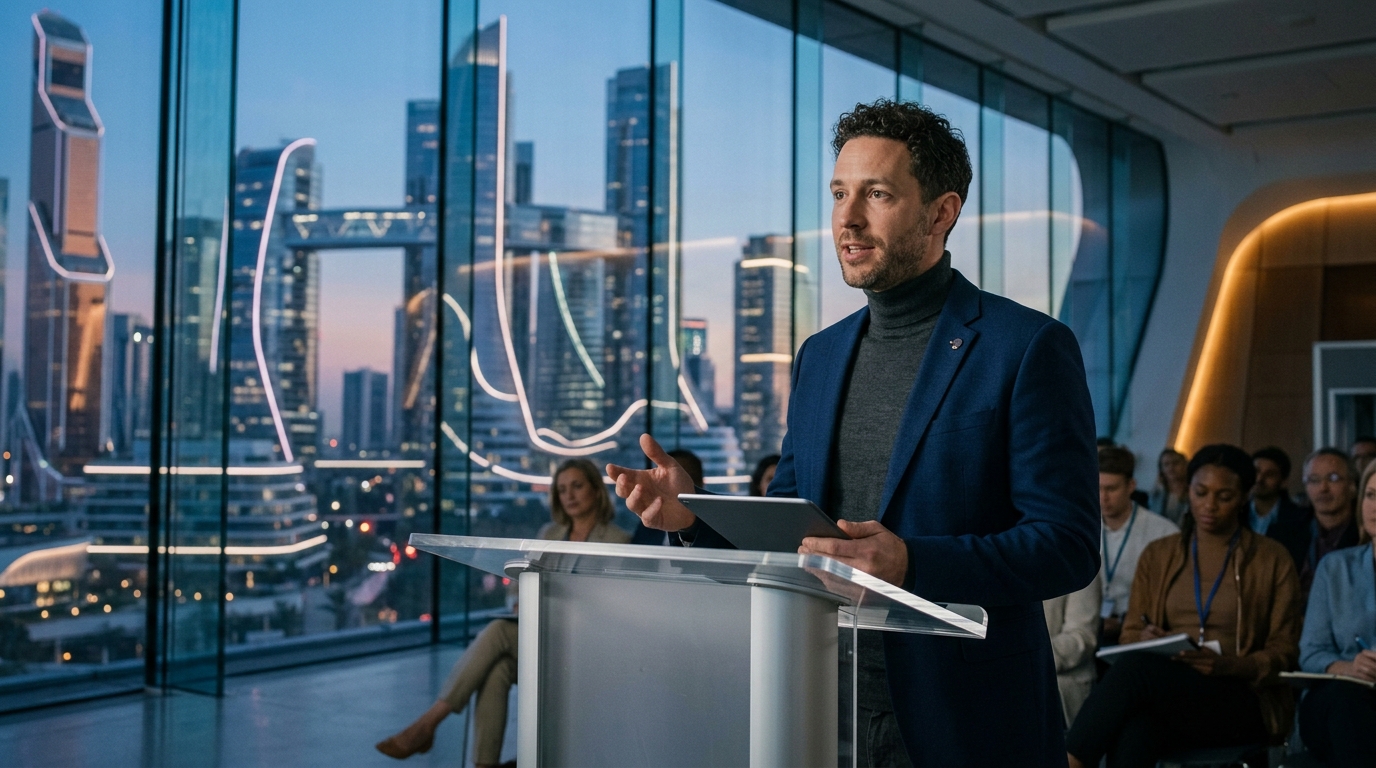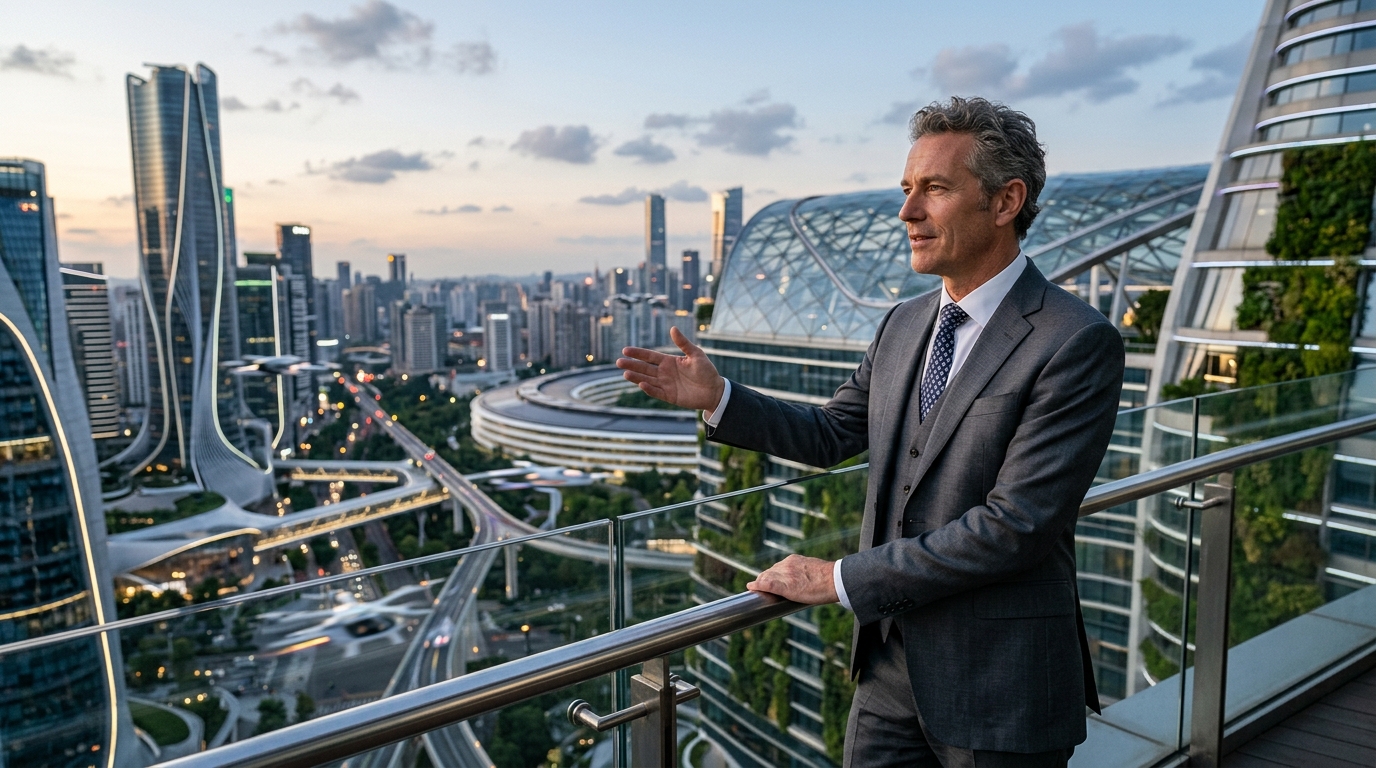
The succession at the helm of the Cupertino tech giant is never a simple corporate procedure; it is a global event that shapes the trajectory of the economy and human communication. With John Ternus officially stepping into the role of Chief Executive Officer, Apple enters a bold new chapter. Ternus, a man who rose through the ranks of hardware engineering, does not merely inherit an empire; he inherits the challenge of proving that Apple can lead in the age of Generative AI without compromising its foundational commitment to user privacy.
From Hardware Engineering to Intelligence Strategy
Ternus is viewed by many as the 'spiritual successor' to Steve Jobs in terms of his obsession with product detail and aesthetics, yet he possesses the operational composure of Tim Cook. His AI strategy is not focused on flashy chatbots that merely generate text, but on a deeply integrated 'Apple Intelligence.' Sources close to the leadership suggest that Ternus believes AI should be invisible yet omnipresent, functioning as a digital fabric that connects the iPhone, Mac, and Vision Pro into a single, intuitive ecosystem.
The Ternus approach differs radically from that of Google or Microsoft. While competitors rely heavily on massive cloud computing power, Apple under Ternus is doubling down on on-device processing. This is achieved through the next generation of Apple Silicon, which is now designed with Neural Engines as the primary focus. The goal is clear: for the AI to know everything about you, while Apple knows nothing about you. This focus on edge computing could redefine the industry standard for data security in an era of increasing cyber threats.
Geopolitics of Tech and the European Challenge
The new CEO must also navigate a minefield of international regulations. The European Union, through the Digital Markets Act (DMA) and the AI Act, has imposed strict limitations that Apple has traditionally viewed as obstacles to the user experience. Ternus appears to be adopting a more diplomatic stance than his predecessor, seeking to build bridges with Brussels regulators while simultaneously de-risking the company’s supply chain by reducing total dependence on China.
- Expanding manufacturing footprints in India and Vietnam to ensure a steady flow of AI-capable hardware.
- Forging partnerships with premium publishers for the ethical training of Apple's large language models.
- Focusing on 'Green AI' by drastically reducing the carbon footprint of the Private Cloud Compute infrastructure.
A Vision Beyond the Screen: The Post-iPhone Era
Perhaps Ternus’s greatest ambition is preparing Apple for a world beyond the smartphone. With AI as the engine, the Vision Pro and future augmented reality (AR) wearables are not intended to be mere accessories, but the primary interfaces for human interaction. Ternus envisions an era where AI perceives the user’s environment in real-time, offering information and solutions before a request is even articulated. This marks a shift from 'active search' to 'proactive assistance,' a change Ternus believes will make technology feel more human and less intrusive.
"Technology is at its best when it disappears," he recently stated in an internal memo to employees. "We aren't building tools to replace human creativity, but to give it superpowers."
The stakes are monumental. If Ternus succeeds, Apple will remain the arbiter of technological evolution for decades to come. However, if he fails to convince the public that Apple's version of AI is fundamentally superior and safer, the company risks becoming a secondary player in a market that has no patience for those who arrive late to the revolution.