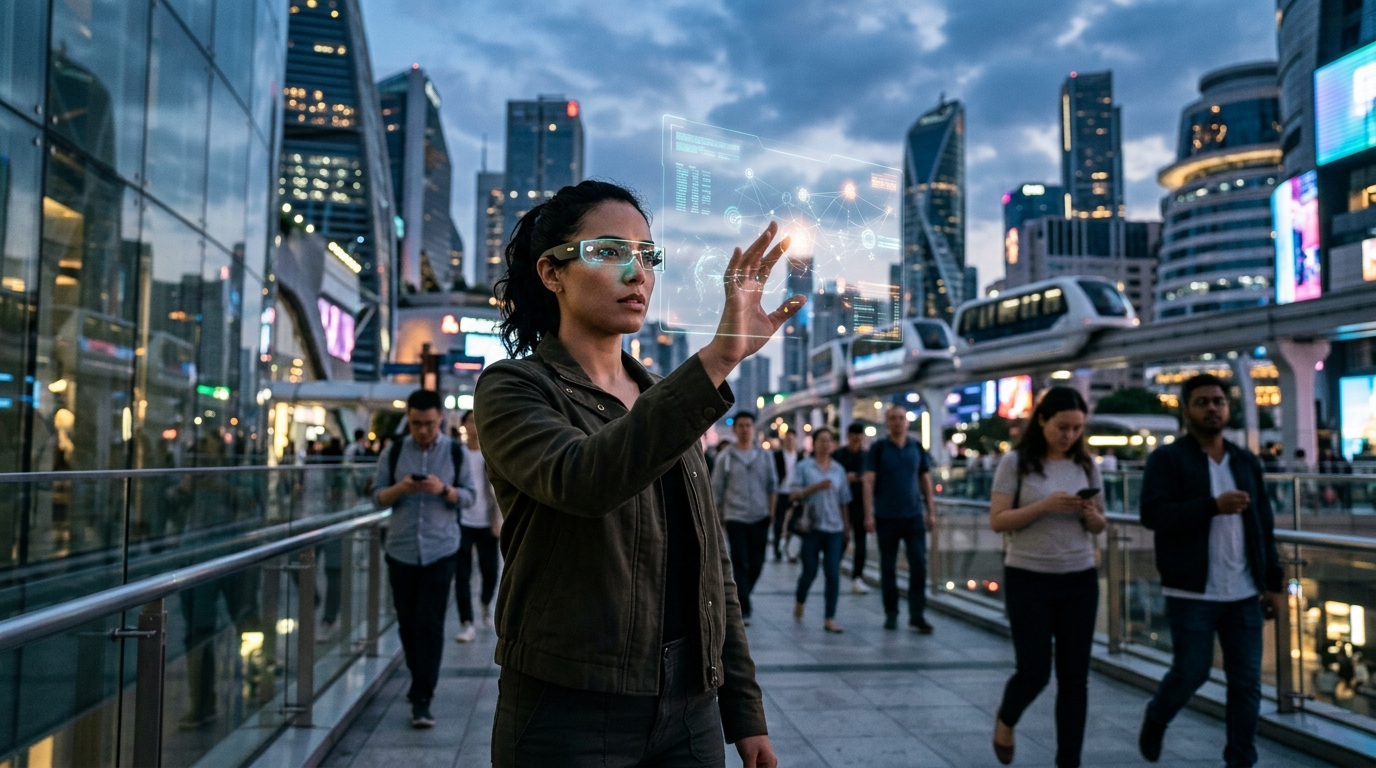
June 2026. High school graduation ceremonies across the globe carry a distinct undertone this year. While the traditional optimism remains, an invisible yet omnipresent cloud hangs over the heads of the youth: Artificial Intelligence. For this year's graduates, entering the workforce is not merely a step toward adulthood, but a plunge into an ocean being radically reshaped by algorithms.
The Automation of First Steps
Historically, high school graduates and young professionals began their careers in "entry-level" positions—roles that often involved repetitive tasks, data processing, basic drafting, or administrative support. Today, these very jobs are in the crosshairs of Generative AI. According to recent surveys, young people are expressing deep concern that the "career ladder" has lost its first few rungs.
"I'm not afraid that AI will replace me in the future; I'm afraid it won't even let me start," says one 18-year-old graduate. This sense of being "locked out" from the starting line is a new social challenge. Businesses, in their pursuit of efficiency, are replacing internships and junior roles with AI tools that can produce the same output in fractions of a second, with zero insurance costs or training overhead.
The Skill Gap and Educational Lag
One of the most critical issues emerging is the mismatch between what is taught in schools and the demands of the modern economy. While educational systems worldwide move at a snail's pace, technology moves at the speed of light. The class of 2026 often finds that their knowledge in traditional subjects is already obsolete.
- The ability to write a standard essay is being replaced by the ability to craft effective prompts.
- Basic coding knowledge is giving way to the supervision of AI-generated code.
- Rote memorization is losing its value in the face of critical evaluation of sources and data veracity.
Experts warn that if high schools do not transform into hubs for cultivating "meta-skills"—such as adaptability, emotional intelligence, and strategic thinking—graduates will find themselves at a disadvantage. The need for continuous upskilling no longer begins at age 40, but at 18.
The Human Advantage in a Digital World
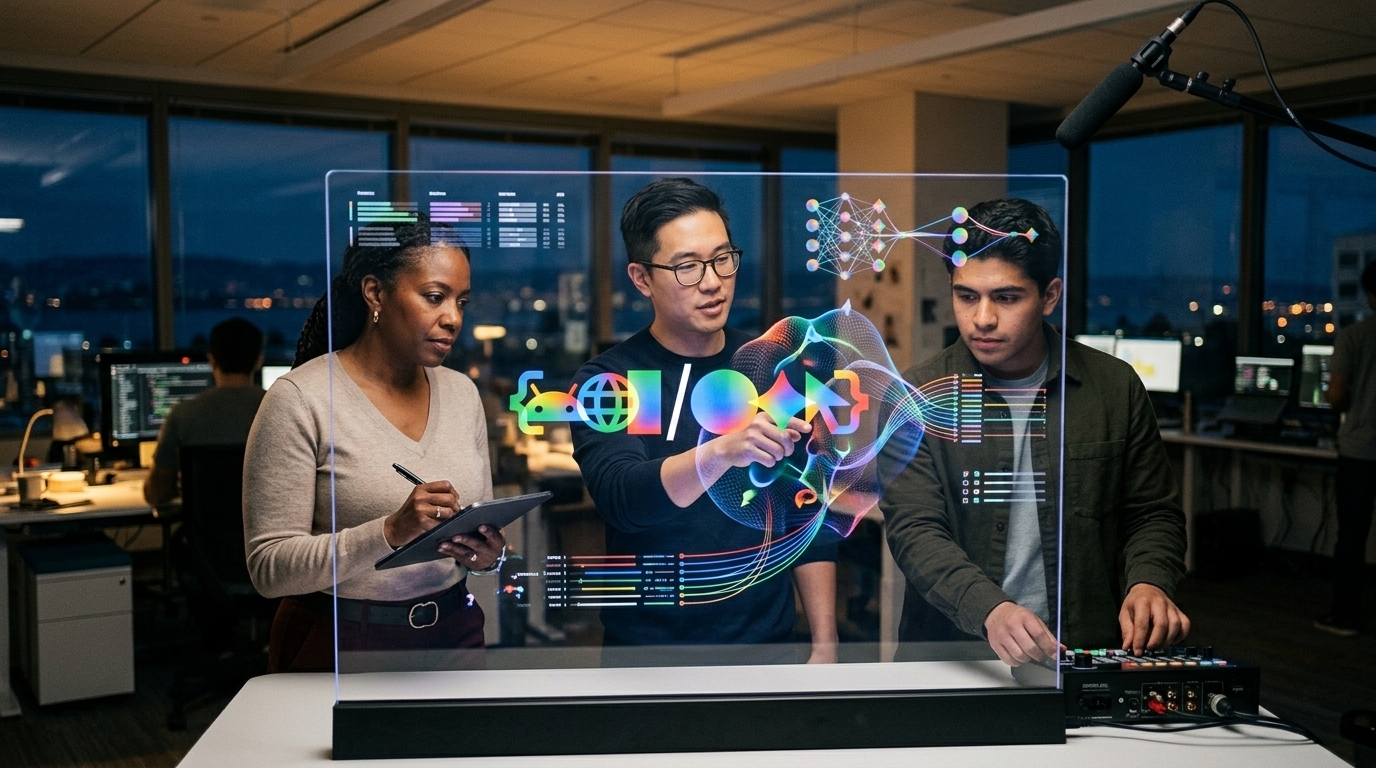
However, it is not all doom and gloom. Amidst this climate of uncertainty, a new appreciation for uniquely human qualities is emerging. Graduates who understand that AI is a tool rather than a replacement are finding new pathways. Fields requiring empathy, ethical judgment, physical presence, and creative problem-solving are seeing increased demand.
"AI can compose music, but it cannot feel the loneliness that drives its creation. That is our domain," says a graduate planning to pursue arts and psychology.
The challenge for the new generation is to develop a "symbiotic" relationship with technology. Employers in 2026 are no longer looking for people who simply know how to use a computer, but for individuals who can direct an AI ecosystem to produce value that an algorithm alone could never conceive.
Conclusion: A New Social Contract
The anxiety felt by graduates is justified, but it can also serve as a catalyst for change. Governments and corporations must redefine the concept of work. If AI removes the burden of manual or repetitive cognitive labor, then society must ensure that the time and energy released are channeled into activities that promote culture, innovation, and social cohesion. The class of 2026 are the pioneers of this new world; their success will depend on whether they choose to be the masters of the machines or their subjects.