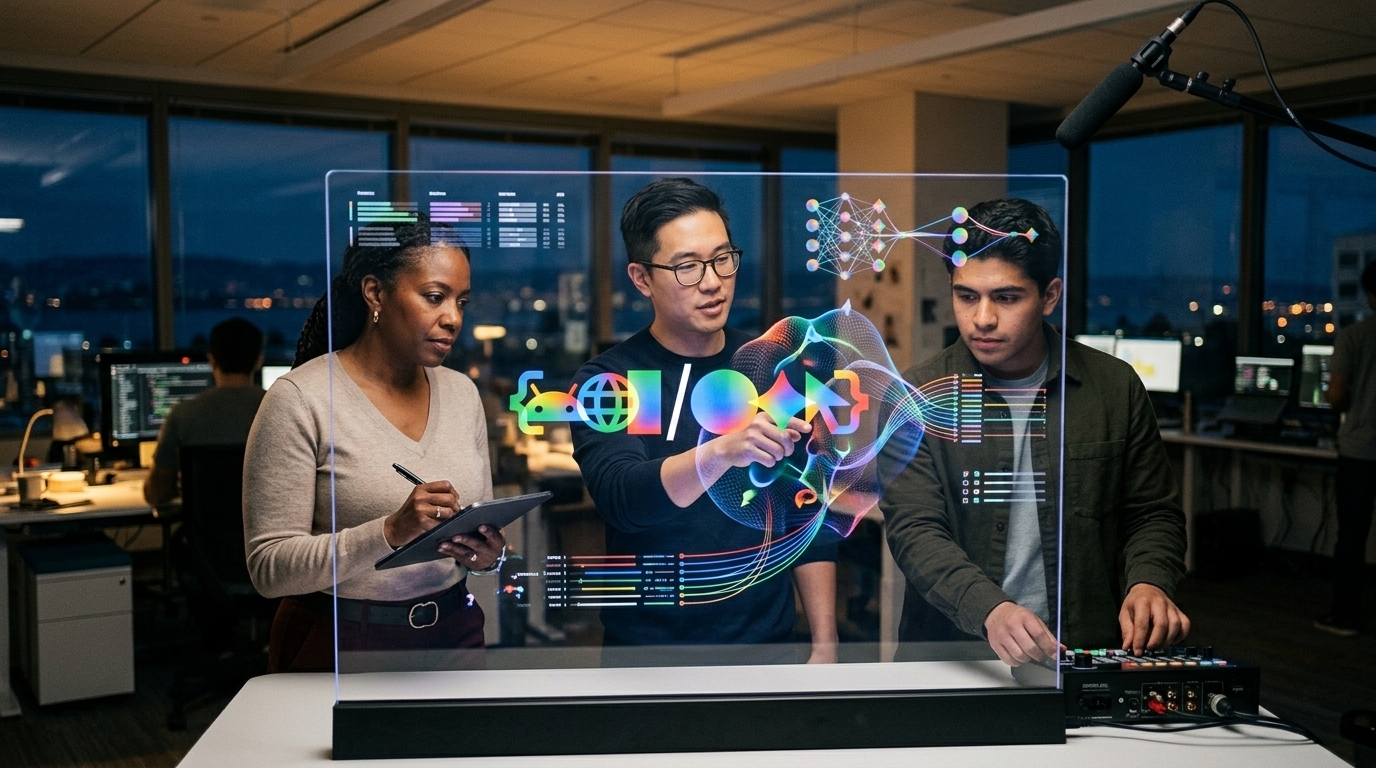
The history of technological progress is often written by those who are not afraid to dismantle the old to build the new. Today, Generation Z (Gen Z) is at the forefront of this shift, not merely as consumers of digital products, but as the architects of a new economic reality. According to recent analyses and emerging trends from developing markets like Vietnam, young professionals and entrepreneurs are seeking to "AI-integrate" every traditional sector of the economy, transforming Artificial Intelligence from a productivity tool into a fundamental pillar of the social fabric.
The Transition from Digital Natives to AI-Natives
While Millennials were the generation that grew up with the internet, Gen Z is the first to enter the workforce with AI as a given infrastructure. For them, AI is not an exotic technology but a "natural" extension of human intellect. This mindset is leading to a radical reassessment of what "work" means. Instead of seeking jobs within existing structures, many young people are creating their own solutions, using Large Language Models (LLMs) and automated systems to bypass decades of bureaucracy and dysfunction.
"Gen Z doesn't see AI as a threat to jobs, but as the only means to solve problems that previous generations left unsolved, from climate change to economic inequality."
In Vietnam, a country rapidly evolving into Southeast Asia's tech hub, this ambition is particularly visible. Young programmers and agronomists are collaborating to apply machine learning algorithms to rice crops, optimizing yields and reducing chemical usage. This "marriage" of traditional production with cutting-edge technology is the hallmark of the new generation.
Redefining Traditional Sectors
The integration of AI is not limited to the IT sector. Gen Z is targeting sectors previously considered "static":
- Agriculture and Supply Chain: Using AI-powered drones and sensors to monitor crop health in real-time.
- Education: Creating personalized learning platforms that adapt to each student's pace, abolishing the "one-size-fits-all" model.
- Craftsmanship and SMEs: Automating marketing and customer service, allowing small producers to compete with global giants.
This trend highlights a significant shift in economic power. Access to powerful AI tools lowers the barrier to entry, enabling young individuals with limited capital but high technical proficiency to challenge established interests. However, this "democratization" of technology brings new challenges.
Ethics, Responsibility, and the Future of Labor
Despite the enthusiasm, Gen Z's ambition faces harsh questions. The mass integration of AI risks further marginalizing those who lack the necessary skills. Furthermore, reliance on algorithms that often operate as "black boxes" raises issues of transparency and ethical accountability. Young tech leaders are called to answer: How will we ensure that AI serves humanity and not the other way around?
In Europe and the West, this trend is taking shape through startups focusing on the "green" transition and the digitization of the state. Gen Z is not waiting for governments to legislate the future; they are building it code by code, turning the economy into a living laboratory of innovation. The success of this endeavor will depend on their ability to combine technical brilliance with social empathy.