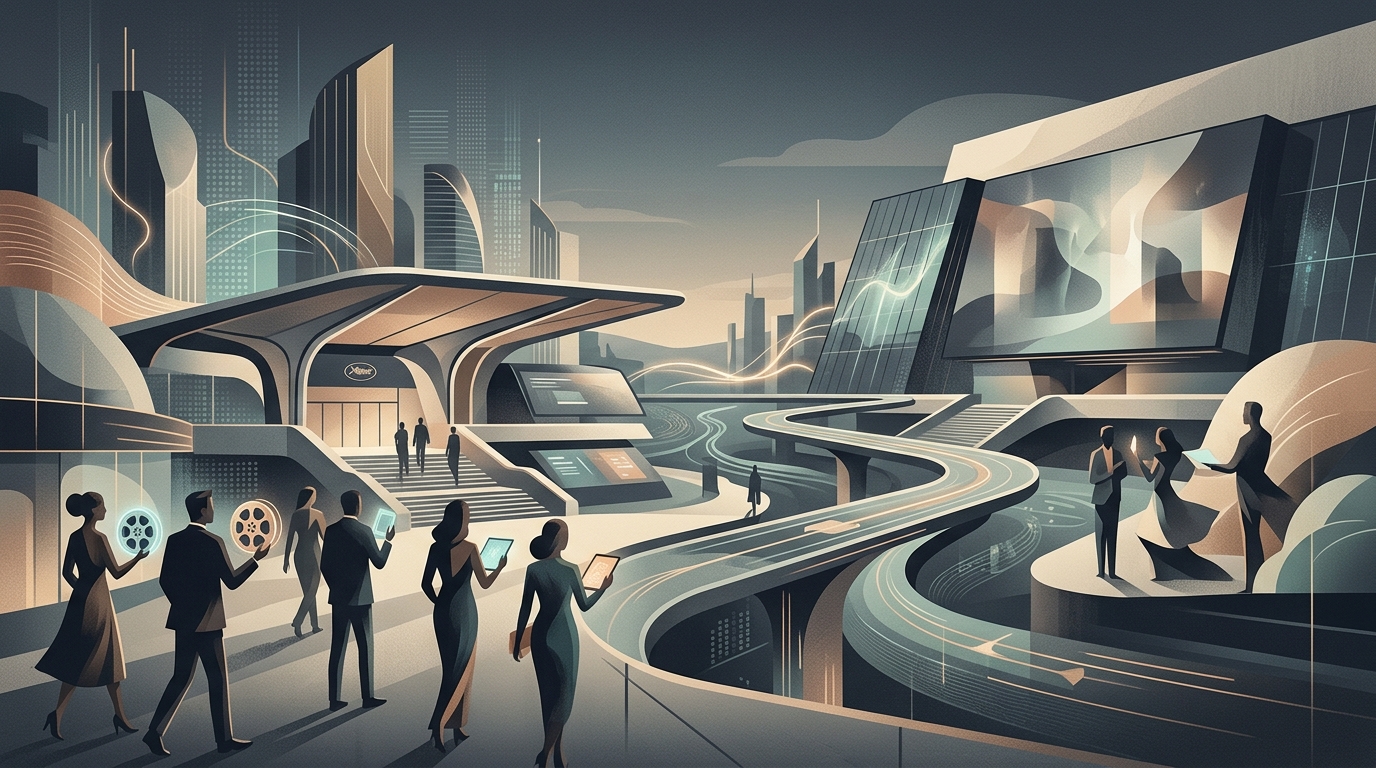
At Cannes 2026, the atmosphere on the Croisette bears no resemblance to the suspicion of previous years. Where Artificial Intelligence (AI) was once viewed as the existential enemy of the creator, it is now presented as an indispensable partner. The 79th Cannes Film Festival will go down in history not just for its glamorous premieres, but for the official 'legitimization' of algorithms in artistic creation. The entertainment industry, after a painful period of adjustment, seems to have found the golden mean between human inspiration and computational power.
The Transition from Fear to Functionality
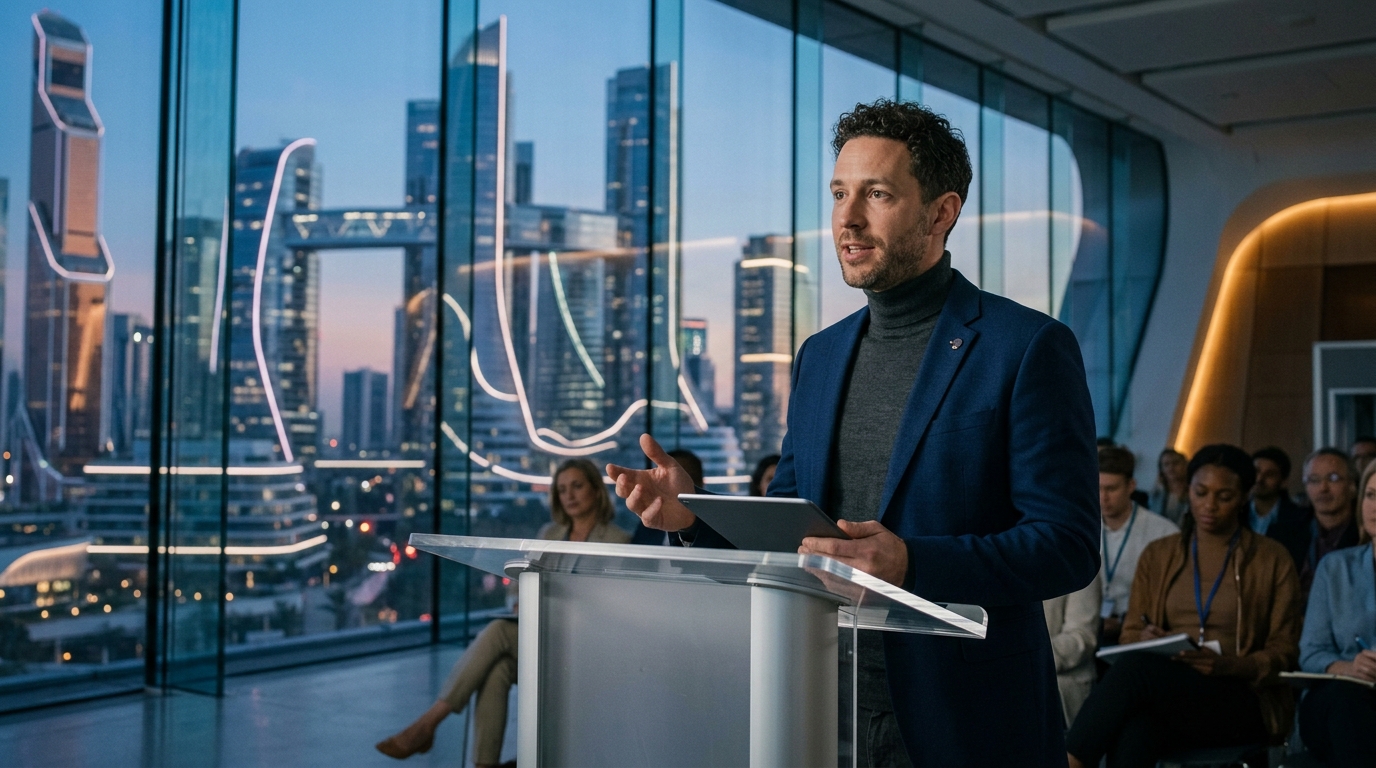
Three years ago, the streets of Los Angeles were filled with striking writers and actors demanding protection from the 'invasion' of the machines. Today, the conversation has shifted. The agreements reached in 2023 and 2024 laid the groundwork, but the technological maturity of 2026 is what unlocked the potential. In Cannes panels, top producers explain how generative AI has reduced visual effects costs by 60%, allowing independent creators to produce spectacles that once required budgets of hundreds of millions of dollars.
Hollywood is not embracing AI out of ideological conviction, but out of economic necessity. In a market flooded with short-form content (TikTok, YouTube), cinema had to find a way to remain spectacular and sustainable at the same time. Using tools like Sora 3 or Google’s upgraded Veo is no longer considered 'cheating,' but a form of 'digital scenography' that frees the director from the constraints of physical reality.
Digital Twins and the New Ethics of Image
One of the most discussed topics at this year's festival is the use of 'digital twins.' A-list actors are now licensing their digital likenesses for secondary roles or for the international distribution of their films. AI-dubbing technology has reached such a level of perfection that voice and lip movement are automatically adjusted to every language, preserving the original emotion of the performance. This dissolves borders and allows a film to have a 'global premiere' without the need for distracting subtitles.
"It's not about replacing the human; it's about extending their presence. An actor can now 'perform' in ten languages simultaneously, with the same precision they did in the original," a Variety critic noted during a late-night gala.
However, the ethical dimension remains in the spotlight. The Cannes Festival introduced a special label this year for films that use AI in more than 30% of their production. It is an attempt to maintain transparency, though many argue that the lines are now so blurred that such labeling will soon become redundant.
The Rise of 'AI-Native' Cinema
Perhaps the most exciting development is the emergence of a new generation of creators called 'AI-natives.' These directors don't use AI to fix something; they use it to create worlds that would be impossible to conceive through traditional means. In the 'Un Certain Regard' section, a film created entirely with prompt-to-video technology stole the show, sparking debates about whether the 'soul' of a film lies in the script or the execution.
The conclusion from Cannes 2026 is clear: Hollywood stopped fighting the future and decided to buy into it. Artificial Intelligence is no longer a threat to the red carpet, but the loom upon which the stories of the next century will be woven. The challenge is no longer the technology itself, but preserving human uniqueness within an ocean of perfect algorithms.