Modern university campuses, once the bastions of free inquiry and the exchange of ideas, are increasingly becoming battlegrounds for ideological warfare. Polarization among students, fueled by geopolitical tensions, upcoming elections, and social shifts, has reached a point where dialogue often seems impossible. In this volatile environment, an unexpected solution is emerging from computer science labs: Artificial Intelligence (AI) as a digital mediator.
The Wall of Silence and the Communication Crisis
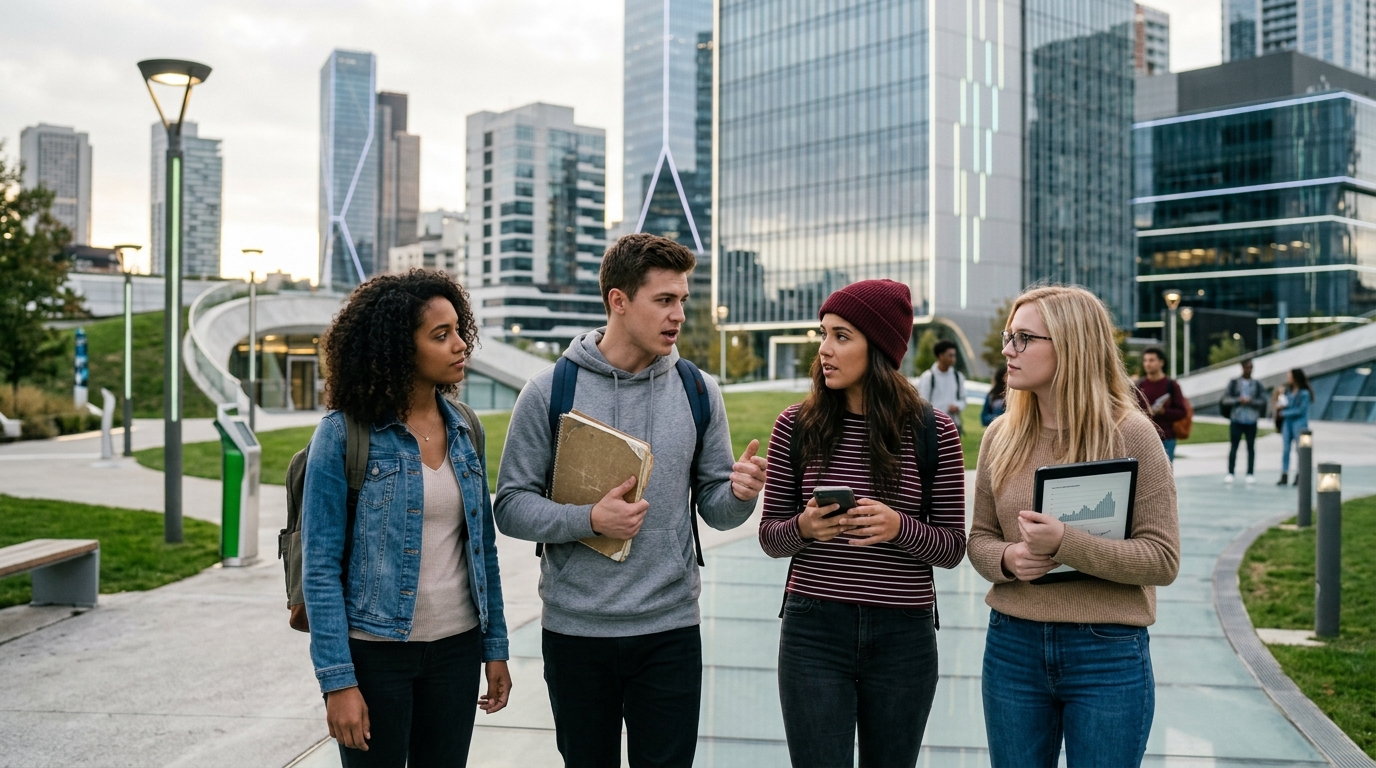
The current state of higher education is characterized by what sociologists call "ideological entrenchment." Students don't just disagree; they often refuse to acknowledge the validity of the opposing view. According to recent surveys, a significant number of students feel uncomfortable expressing their views in class, fearing social ostracization or "cancel culture." This climate of fear leads to a silent majority and a noisy minority at the extremes, making the educational process impoverished.
Polarization is not merely a political issue but a profound pedagogical challenge. When students stop talking to those they disagree with, they lose the capacity for critical thinking and empathy. Universities, in their attempt to maintain order, often resort to strict regulations that can stifle free speech, creating a vicious cycle of resentment and misunderstanding.
AI as a Digital Referee
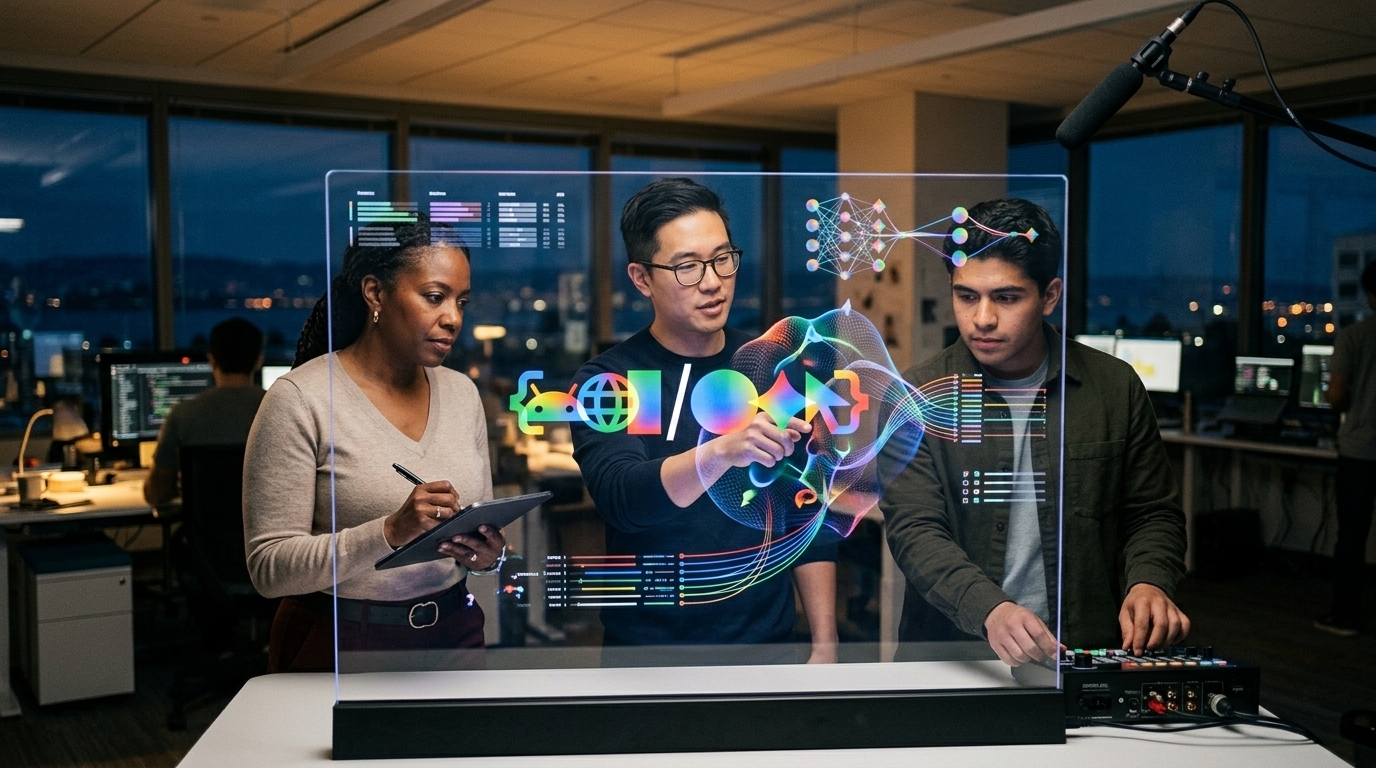
This is where Artificial Intelligence enters the fray. New programs and platforms, such as those developed by organizations like Braver Angels or university research centers, are using Large Language Models (LLMs) to facilitate dialogue. These tools do not impose a "correct" view; instead, they function as neutral moderators. For instance, an AI bot can analyze the arguments of two students and highlight common ground or suggest softer phrasing that doesn't trigger a defensive stance.
- Sentiment Analysis: AI can detect when a conversation is becoming overly aggressive and intervene by suggesting a break or a change in tone.
- Counter-Argument Simulation: Students can practice difficult conversations with an AI that presents the opposing side in a logical, non-threatening manner.
- Bias Deconstruction: Algorithms can help users identify logical fallacies or cognitive biases in their own arguments before they hit the send button.
The use of AI offers a "safe space" where the risk of social blowback is zero. A student can express a controversial thought to an AI model, receive feedback on how it might be perceived by others, and learn to structure their speech in a way that promotes understanding rather than conflict.
The Risks of "Algorithmic Diplomacy"
However, the idea of outsourcing human communication to machines is not without its perils. Many academics warn that AI can carry its own biases, depending on the data it was trained on. There is also the fear that using technology as a go-between could lead to a "sterilization" of discourse, where authenticity is sacrificed for the sake of political correctness imposed by an algorithm.
"Democracy requires friction. If we use AI to smooth out every corner of our discussions, we risk losing the passion and honesty that real political change demands," notes one political science professor.
Furthermore, the question of trust is paramount. Will students accept the suggestions of a machine if they believe it is controlled by a "tech elite"? Algorithmic transparency is crucial. If AI is seen as just another tool for indoctrination, it will fail miserably at bridging the gap, ending up as just another weapon in the information war.
Conclusion: A Tool, Not a Panacea
Artificial Intelligence cannot replace human connection, but it can act as the "crutch" that a wounded public sphere needs. In universities, the goal should not be the elimination of disagreement but the restoration of the ability to disagree civilly. If AI helps a student listen for five minutes longer to someone they radically disagree with, then perhaps it has already performed a valuable service to democracy. The challenge remains: to use technology to become more human, not to avoid the complexity of human nature.