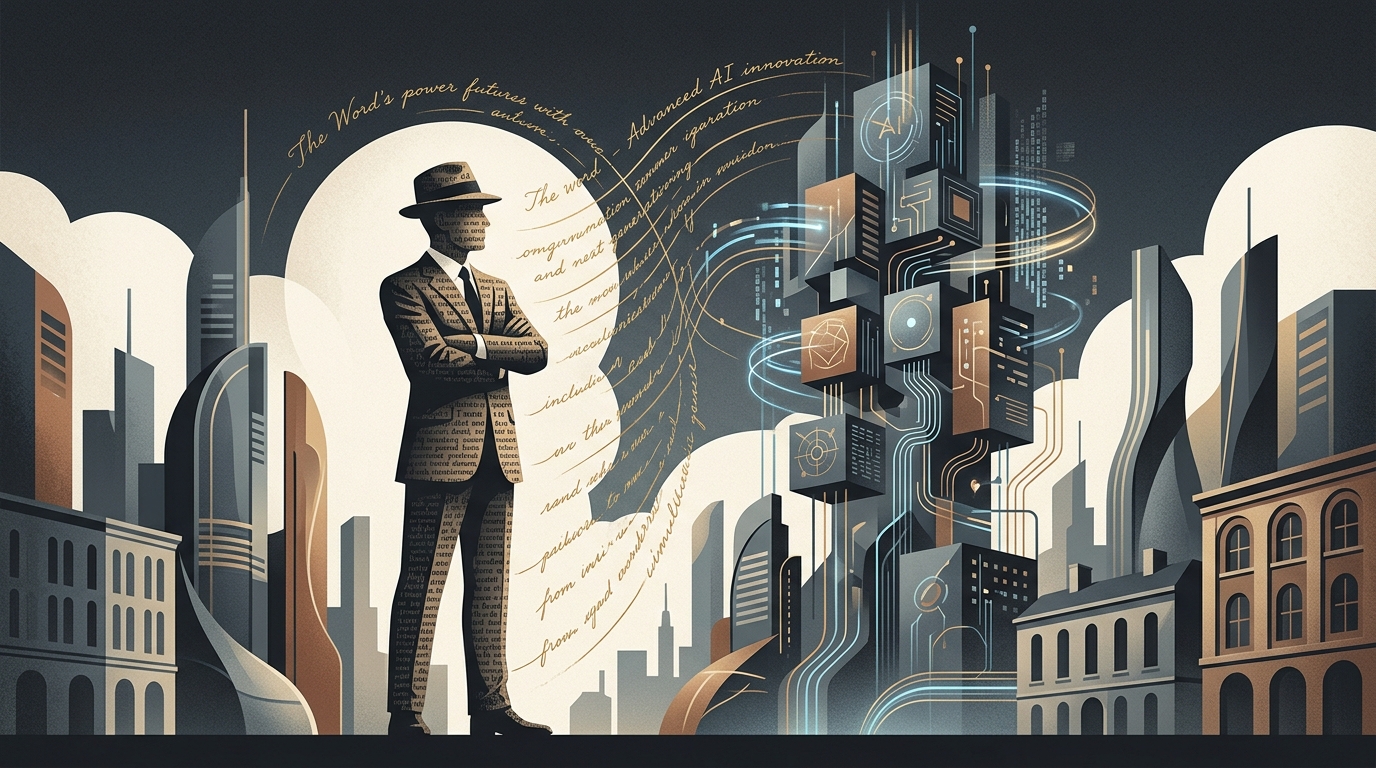
For decades, the image of a Scout was inextricably linked to wilderness survival: lighting a fire without matches, reading a map in dense woods, or tying a complex sheepshank knot. However, in 2026, the landscape of skills required to survive and thrive in the modern world has shifted radically. The introduction of the Artificial Intelligence (AI) Merit Badge by the Boy Scouts of America (BSA) and similar organizations worldwide marks a historic pivot. It is no longer just about mastering the physical world, but about understanding the digital universe that now governs our daily lives.
Artificial Intelligence is no longer a science fiction scenario; it is a tool reshaping medicine, law, the arts, and engineering. For a young person seeking to earn this badge, the challenge is not merely learning to use a chatbot, but understanding the mechanics, ethics, and societal implications of this technology. Here are seven strategic ways for scouts and educators to make the most of this new educational frontier.
1. Demystifying the Black Box: Beyond the Interface
The first step in mastering the badge is demystification. Many users treat AI as a magical entity that provides answers. Scouts are encouraged to explore what happens beneath the surface: from neural networks to machine learning. Understanding how data trains a model is fundamental. Instead of simple usage, the focus should be on algorithmic logic. This cultivates computational thinking, a skill that is essential whether the scout pursues a career in computer science or the humanities.
2. Ethics as a Compass in the Digital World
Perhaps the most critical part of the badge is the ethics module. AI carries risks such as bias, misinformation, and the erosion of privacy. A scout must learn to recognize when an AI system produces flawed or biased results. Discussing deepfakes and intellectual property is not just theoretical; it is an exercise in critical thinking. The ability to question the authority of a machine is the new form of "intellectual survival" in the 21st century.
3. Practical Application: From Code to Problem Solving
The badge should not be purely theoretical. The best ways to leverage it involve creating small projects. Whether it’s building a simple image classification model that identifies tree species in the forest or an algorithm that optimizes food distribution in a community, practical application demonstrates AI's power as a tool for good. Scouting has always been about service to the community, and AI offers a new toolkit for that purpose.
4. A Multidisciplinary Approach to Careers
AI does not belong solely to programmers. Engaging with the badge provides an opportunity to see how AI affects agriculture (smart farming), music (AI-assisted composition), or even environmental protection. Scouts can link this badge with others, such as Environmental Science or Public Health, creating a holistic knowledge profile that will make them stand out in the future.
"Technology is just a tool. In the hands of a trained and ethical individual, it can become the force that solves humanity's greatest challenges," says a program instructor.
In conclusion, the AI Merit Badge is not just another patch on a scout's uniform. It is a declaration of readiness for a world changing at an exponential rate. Success in earning it is not judged by the ability to memorize definitions, but by the capacity to navigate a future where human judgment and artificial intelligence must coexist harmoniously.