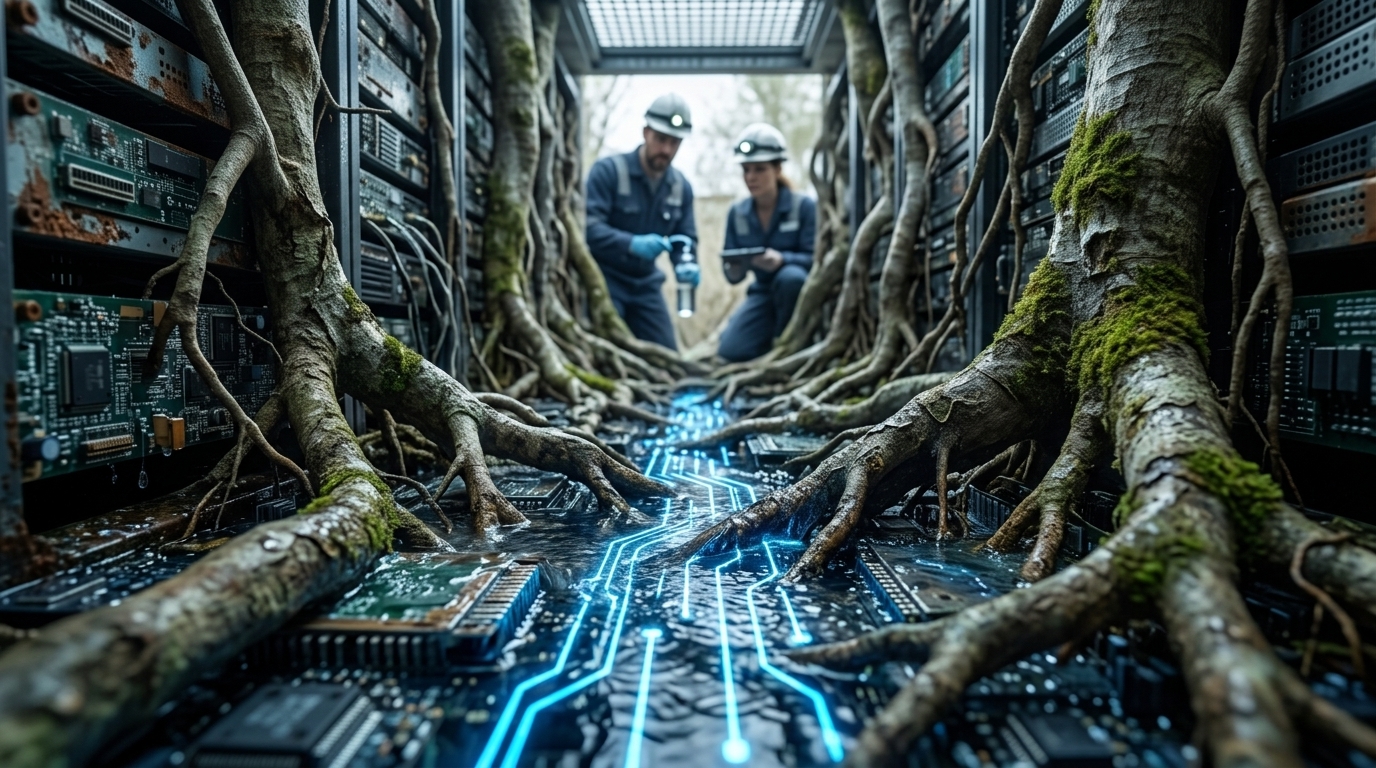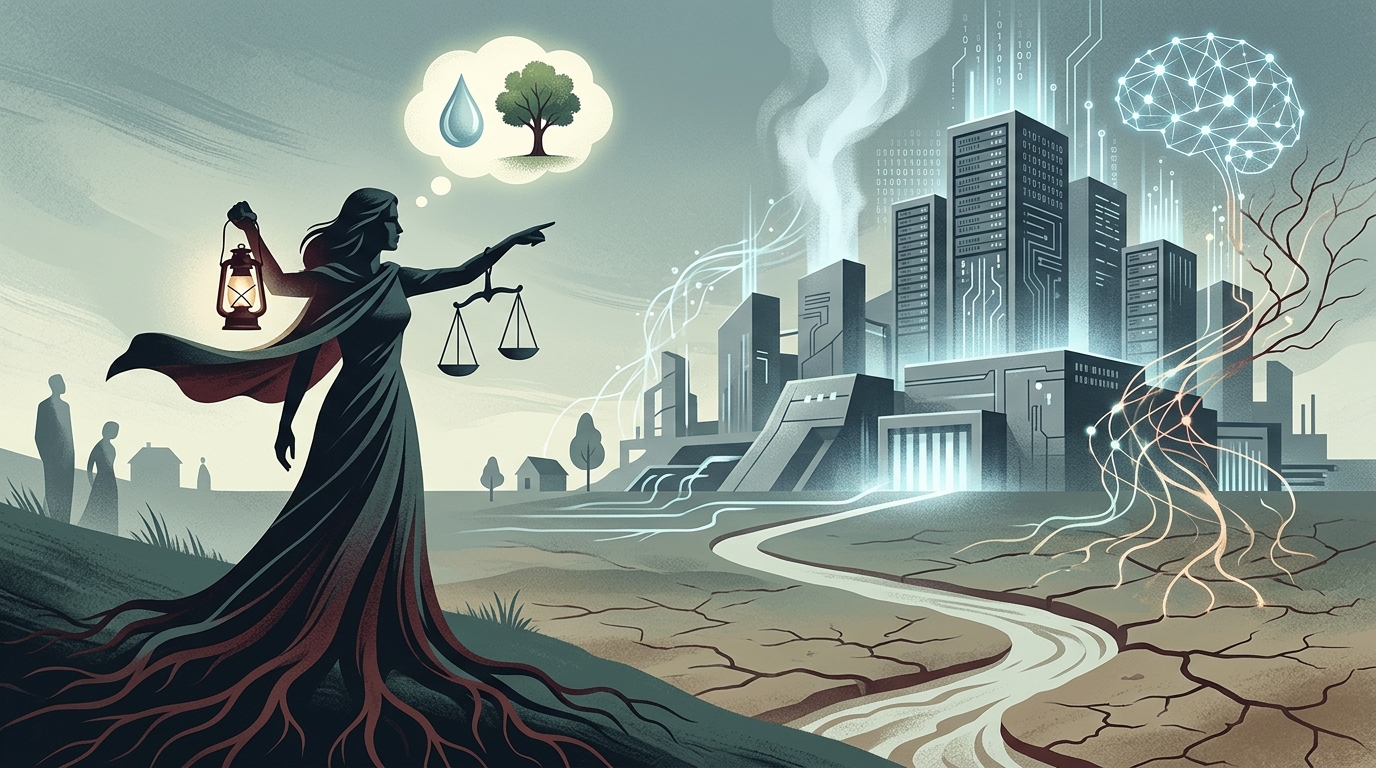
In the labyrinthine corridors of Silicon Valley, where the future is forged with lines of code and billions of dollars in processing power, a new terminology is beginning to take hold, revealing a deeply unsettling worldview. The term "meat computer" is not just a cynical quip at a tech executive's party; it is the distillation of an ideology that views human existence as an imperfect, biological data-processing system that will soon become obsolete.
The Philosophy of Computational Reductionism
The idea that the human brain is essentially a biological computer is not new. From the time of Thomas Hobbes, who likened reason to computation, to modern neuroscientists, the attempt to decode consciousness through mechanistic terms has been constant. However, in the age of Generative Artificial Intelligence, this metaphor has taken a dangerous turn. For executives like OpenAI's Sam Altman or Google DeepMind's Demis Hassabis, the distance between a human neuron and a silicon transistor is not qualitative, but quantitative.
This reductionism argues that intelligence is simply the ability to predict the next element in a sequence. If a human is a "meat computer," then creativity, empathy, and moral judgment are nothing more than complex algorithms that have run on slow, biological hardware for thousands of years. The industry's argument is simple: if we can simulate these algorithms in silicon, with greater speed and without the needs of the "meat" (food, sleep, rights), then we have created a superior version of existence.
The Alienation from the Human Element
The use of such terminology reflects a broader ethical crisis in the tech sector. When humans are reduced to "processing units," it becomes much easier to justify decisions that would otherwise be considered unethical. The mass collection of data without consent, the displacement of millions of jobs, and the creation of systems that can manipulate public opinion seem like mere "system optimizations" if you do not recognize the sanctity of the human experience.
"If you believe that a human is just a computer, then replacing them with a better computer is not a tragedy, but an upgrade."
This mindset explains why many at the top of the AI pyramid seem so detached from the social implications of their creations. In their eyes, humanity is the "bootloader" for Artificial General Intelligence (AGI) – a temporary program that serves only to launch something much more powerful and permanent. The very concept of "meat" suggests something disposable, something that rots, in contrast to the "eternal" and upgradable digital spirit.
Political and Social Implications
The rhetoric of the "meat computer" has direct consequences for how governments and corporations approach labor and rights. If the workforce is seen as just an expensive and inefficient form of computing power, then social welfare and worker protections look like obstacles to progress. We are already seeing the emergence of a new class of "techno-feudalists" who own the silicon, while the majority of "meat computers" are relegated to roles of providing training data.
- Devaluation of Intellectual Property: Works of art and speech are treated as "noise" to be processed.
- Erosion of Individual Responsibility: If we are machines, how can we be held accountable for our actions?
- Crisis of Meaning: The sense that humans have nothing unique leads to a global psychological crisis.
The Need for a New Humanism
Faced with this cold, mechanistic view, there is an urgent need for a new digital humanism. We must remind ourselves – and the architects of AI – that the human experience is not just information processing. It is the ability to feel pain, to experience beauty without analyzing it into pixels, and to connect with others through a shared mortality that no machine can share.
The challenge of the 21st century will not only be to build smart machines, but to preserve the value of the "meat" – that is, of biological, messy, and wonderful human life. If we accept the definition of Silicon Valley executives, we have already lost the battle before it has even begun. Humanity is not a problem to be solved, nor hardware to be upgraded. It is the only reason technology has meaning in the first place.