In an era where technological advancement often outpaces our ethical preparedness, the Vatican, one of the world's oldest institutions, is attempting to lay the foundations for humanity's future in the digital age. Pope Francis's anticipated encyclical on Artificial Intelligence (AI) is not merely a religious text, but a political and ethical intervention aimed at the heart of Silicon Valley.
The Birth of 'Algor-ethics'
The term 'Algor-ethics,' coined within the halls of the Pontifical Academy for Life, has become the central dogma of the Holy See. This is not a simple attempt to Christianize technology, but an urgent call to ensure that algorithms serve human dignity rather than the other way around. The Vatican argues that AI is not neutral; it carries the values, biases, and priorities of its creators.
The Pontiff's approach focuses on the concept of 'inclusion.' In a world already plagued by inequality, AI risks widening the gap between those with access to technology and those left on the margins. Pope Francis has repeatedly warned of a 'throwaway culture,' where the elderly, the poor, and the vulnerable could be replaced or ignored by automated decision-making systems.
The Ethics of Weaponry and Accountability
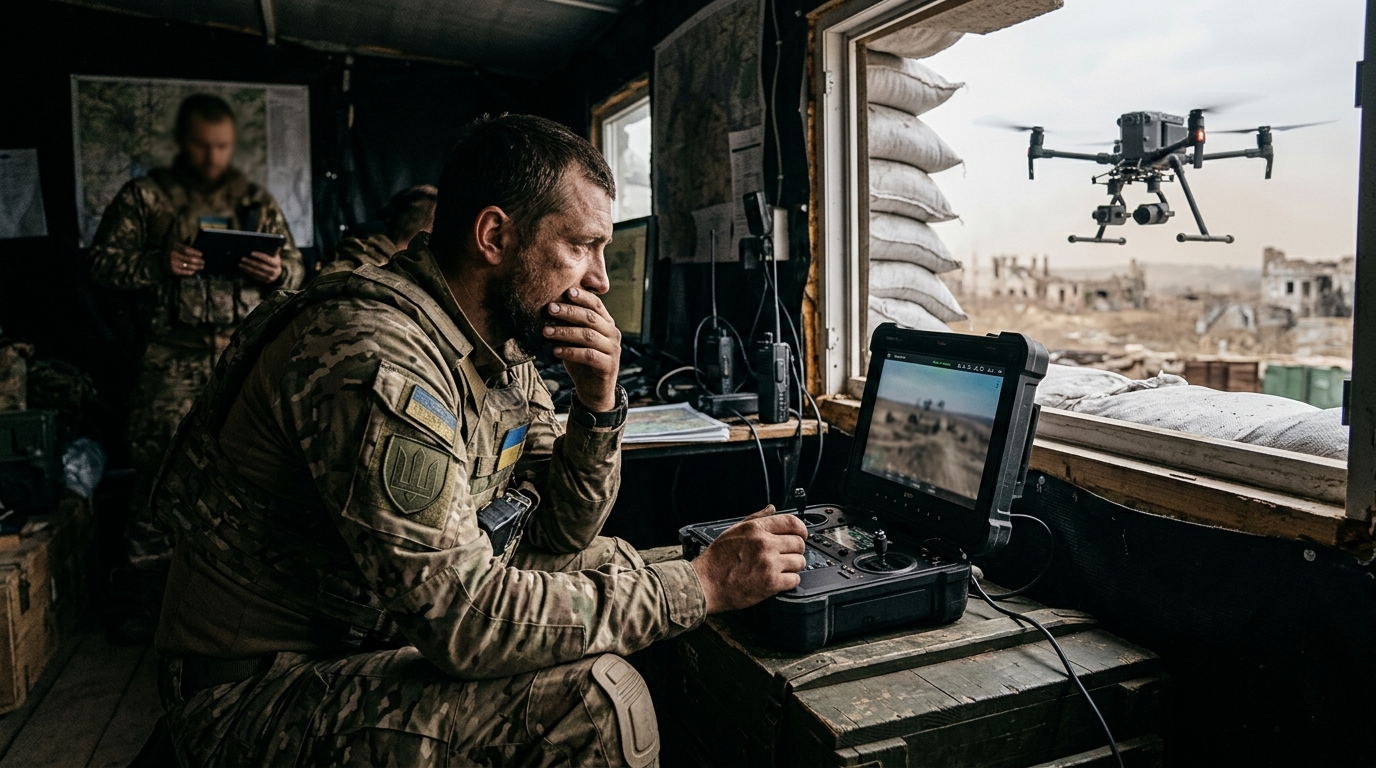
One of the most critical points of the upcoming encyclical is expected to be the Church's stance on Lethal Autonomous Weapons Systems (LAWS). The Vatican has already called for a total ban on weapons that can decide on life or death without human intervention. The position is clear: moral judgment is an exclusively human capacity that cannot be delegated to a machine.
- The necessity for human oversight (human-in-the-loop) at every stage of AI development.
- Transparency of algorithms used in the judiciary and employment sectors.
- Protection of personal data as a fundamental human right.
- Preventing the use of AI for the manipulation of public opinion and democracy.
"Artificial intelligence must be at the service of human potential and our common home, not a tool for the dominance of the few over the many."
A Global Alliance
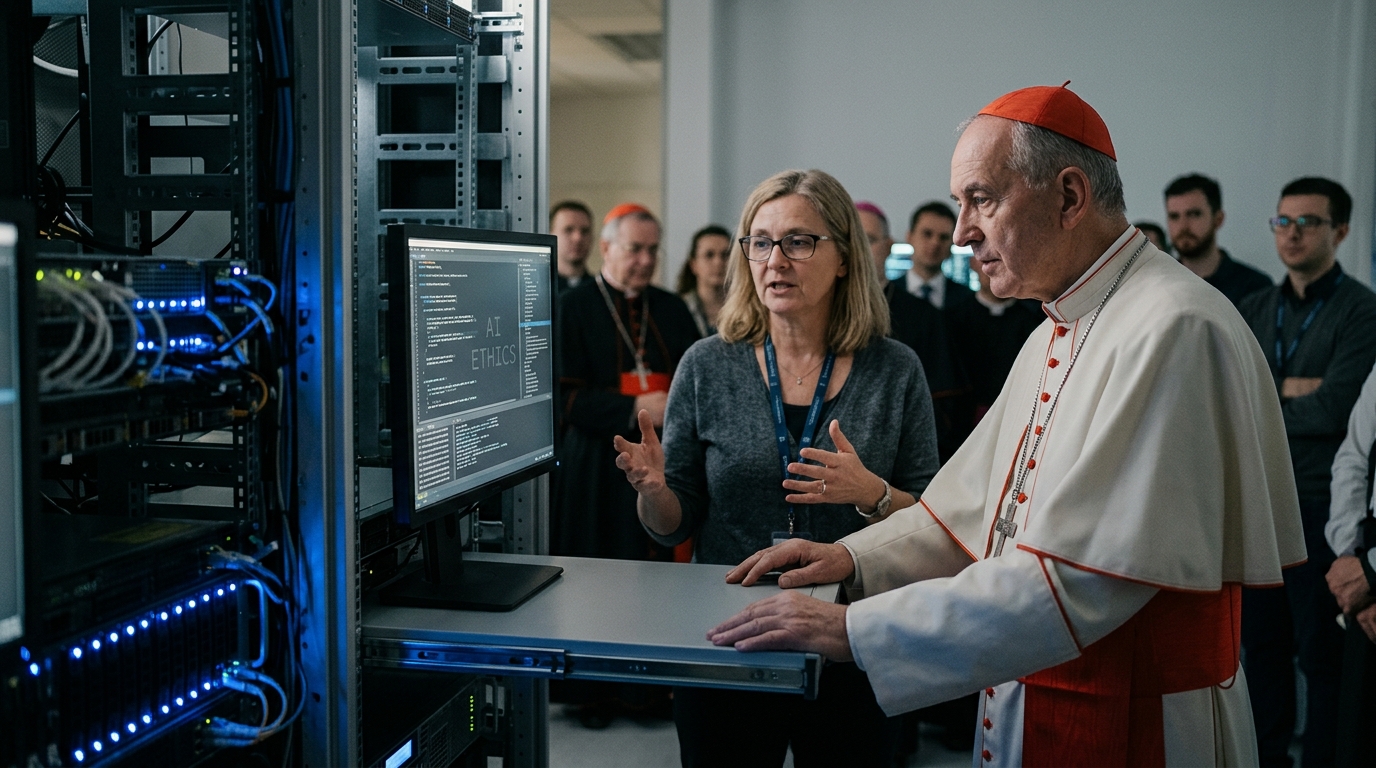
The Vatican is not limiting itself to sermons. Through the 'Rome Call for AI Ethics,' it has managed to bring giants like Microsoft and IBM to the table, alongside representatives of other faiths, including Islam and Judaism. This interfaith and multilateral approach demonstrates that the ethics of technology is an issue that transcends dogma.
The Holy See's influence is significant not only because of the 1.3 billion Catholics worldwide but also due to its diplomatic weight. The encyclical will serve as a guide for governments attempting to legislate AI, offering an ethical framework that is often missing from the technocratic discussions in Brussels or Washington. The question the Vatican poses is simple yet profound: What does it mean to be human in a world of machines?
Conclusion
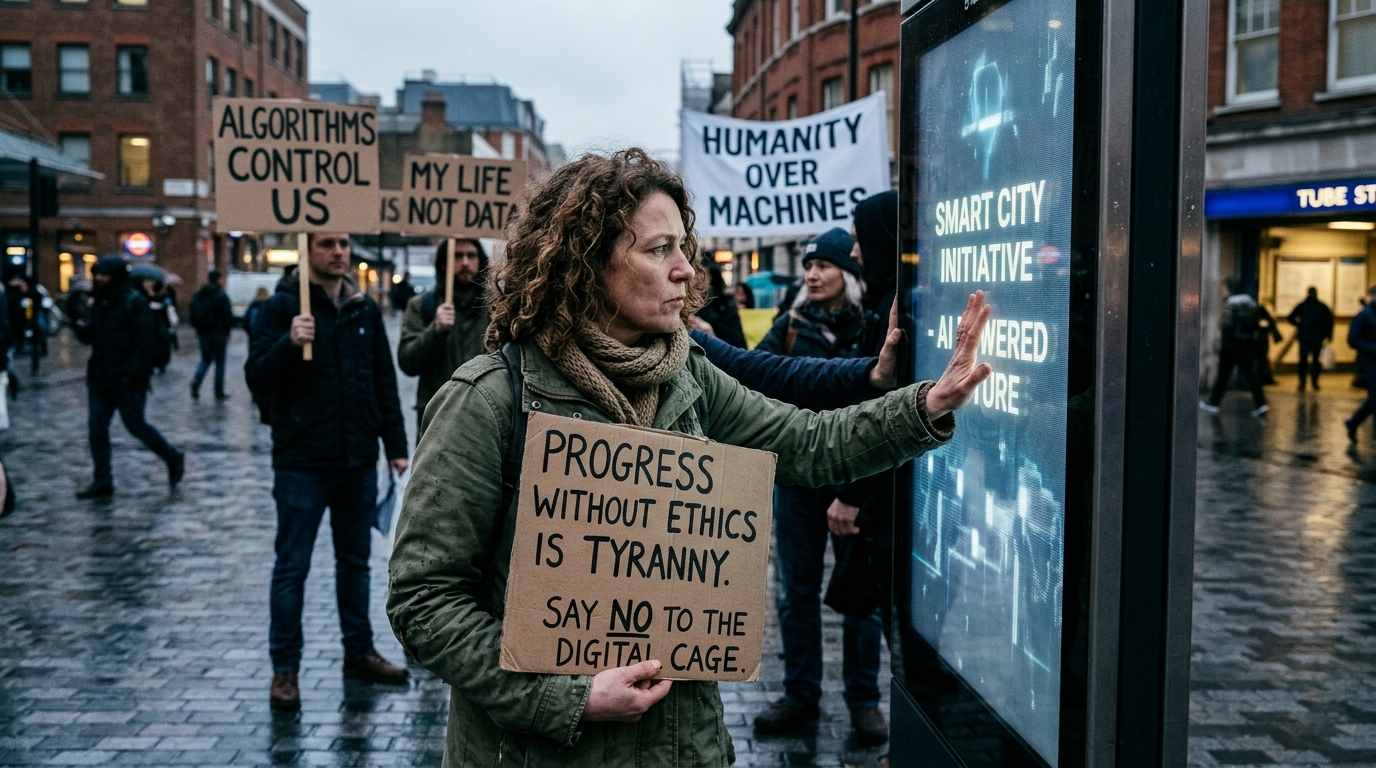
As we await the full text of the encyclical, it is clear that Pope Francis views AI as one of the greatest challenges of our time. His intervention does not aim to halt progress but to give it a soul. In a 21st century dominated by profit and speed, the voice of Rome reminds us that technology without ethics is a path toward the loss of our humanity.