In an era where technological progress seems to outpace our ethical readiness, the Vatican is stepping into a role many might not expect: that of a moral arbiter for the digital age. The upcoming papal encyclical on Artificial Intelligence (AI) is not merely a religious document; it is a global political and social intervention aimed at placing human dignity at the heart of the algorithmic revolution. Pope Francis, who has already made history as the first pontiff to address a G7 summit on the topic of AI, is laying the groundwork for a comprehensive theological and ethical critique of technology.
The Emergence of 'Algor-ethics'
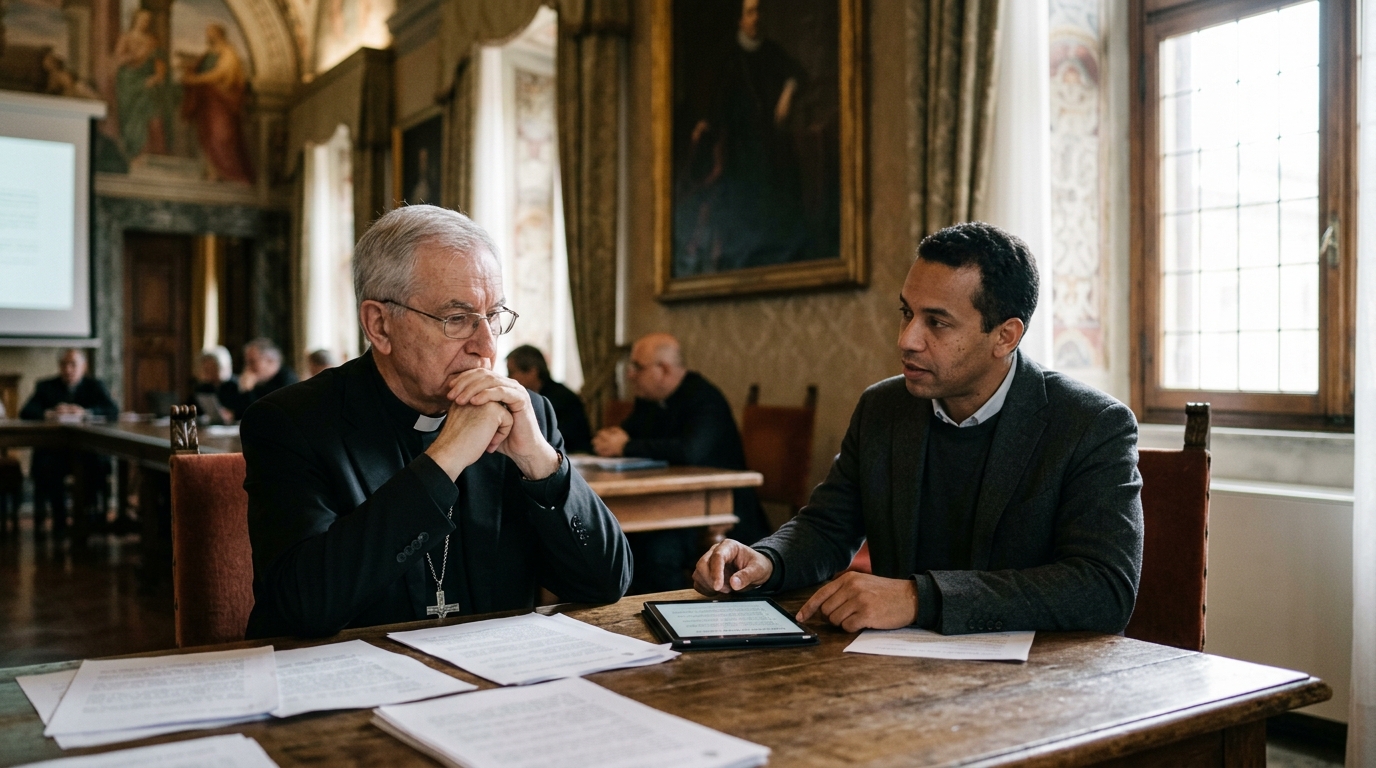
The term 'algor-ethics', coined by the Vatican, serves as the cornerstone of its approach. It is not about simply adding ethical guidelines at the end of a production cycle; rather, it is a demand for ethics to be embedded into the very design of algorithms. The Pontifical Academy for Life, under the leadership of Archbishop Vincenzo Paglia, has successfully brought tech giants like Microsoft and IBM to the table to sign the 'Rome Call for AI Ethics.' This initiative highlights six fundamental principles: transparency, inclusion, accountability, impartiality, reliability, and security.
This approach stems from the conviction that technology is never neutral. Every line of code carries the values and biases of its creators. The Vatican argues that if AI is left to operate solely on the basis of profit or efficiency, we risk creating a world where the most vulnerable are further marginalized. 'Algor-ethics' seeks to ensure that AI remains a tool in the service of humanity, rather than a new 'digital god' that decides human fates without mercy.
The Threat of Human 'Datafication'
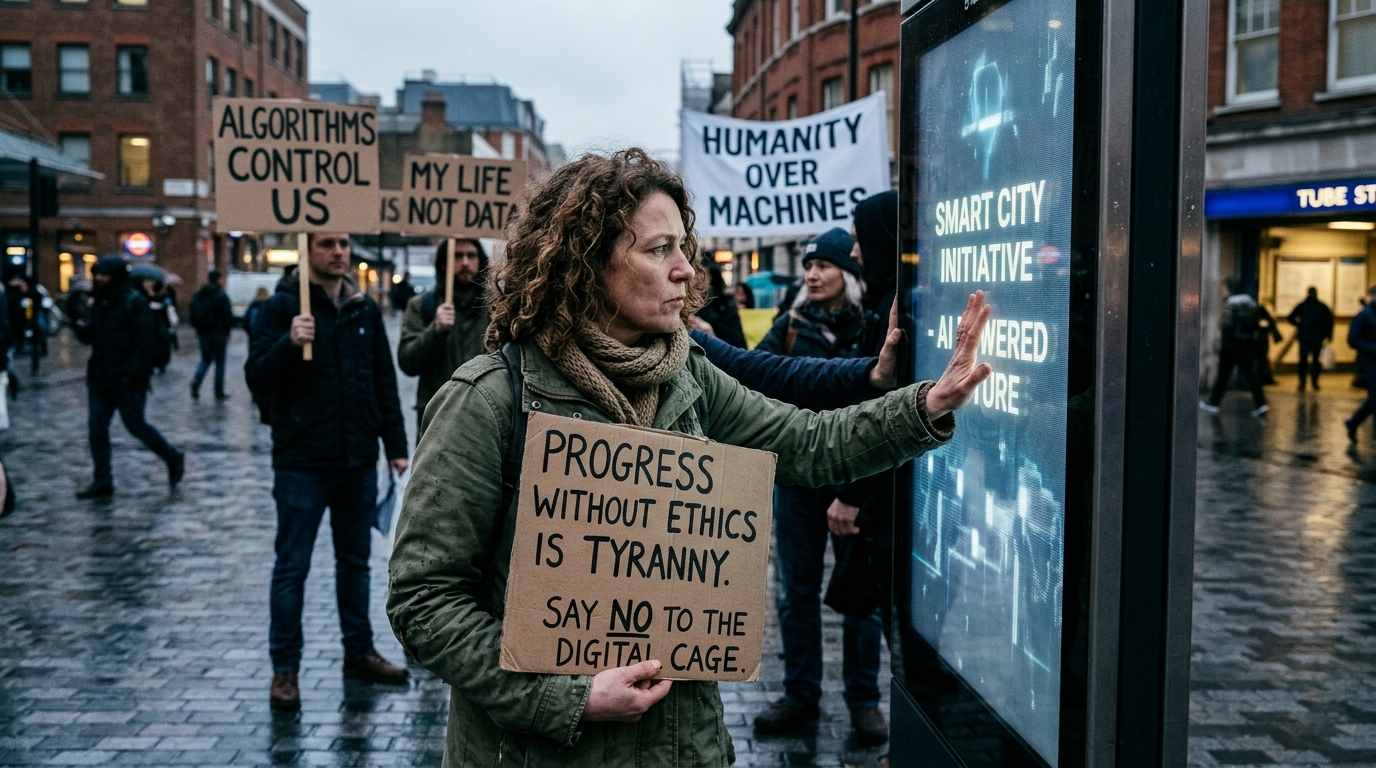
One of the primary concerns expected to be detailed in the encyclical is the risk of reducing human experience to mere data. From the Vatican's perspective, humans are created in the 'image and likeness' of God, granting them an inherent, non-negotiable dignity. AI, through predictive analytics and constant surveillance, tends to categorize people into statistical models, stripping away the element of freedom and the unpredictable nature of the human soul.
"We cannot allow algorithms to determine the value of a human life or to decide who is entitled to care, work, or freedom," the Pope has repeatedly stated.
This critique extends to autonomous weapon systems, often referred to as 'killer robots.' The Vatican is leading international pressure for a total ban on weapons that can make life-and-death decisions without human intervention. Moral responsibility, the Church argues, is a uniquely human attribute that cannot be delegated to a machine, no matter how advanced it may be.
Social Justice and the Digital Divide
The encyclical is expected to link AI to the social justice themes that dominated Francis’s previous encyclicals, *Laudato si’* (on the environment) and *Fratelli tutti* (on fraternity). The fear is that AI could widen the gap between the Global North and the Global South. While wealthy nations and mega-corporations reap the benefits of automation, developing countries risk becoming 'digital colonies,' providing cheap labor for training AI models while suffering the consequences of job displacement.
Furthermore, the issue of bias in algorithms is a central point of concern. If AI is trained on data that reflects historical injustices and racism, it will only succeed in automating inequity. The Vatican calls for a 'data democracy,' where access to technology and participation in its governance are universal rights.
Conclusion: A Call for Dialogue
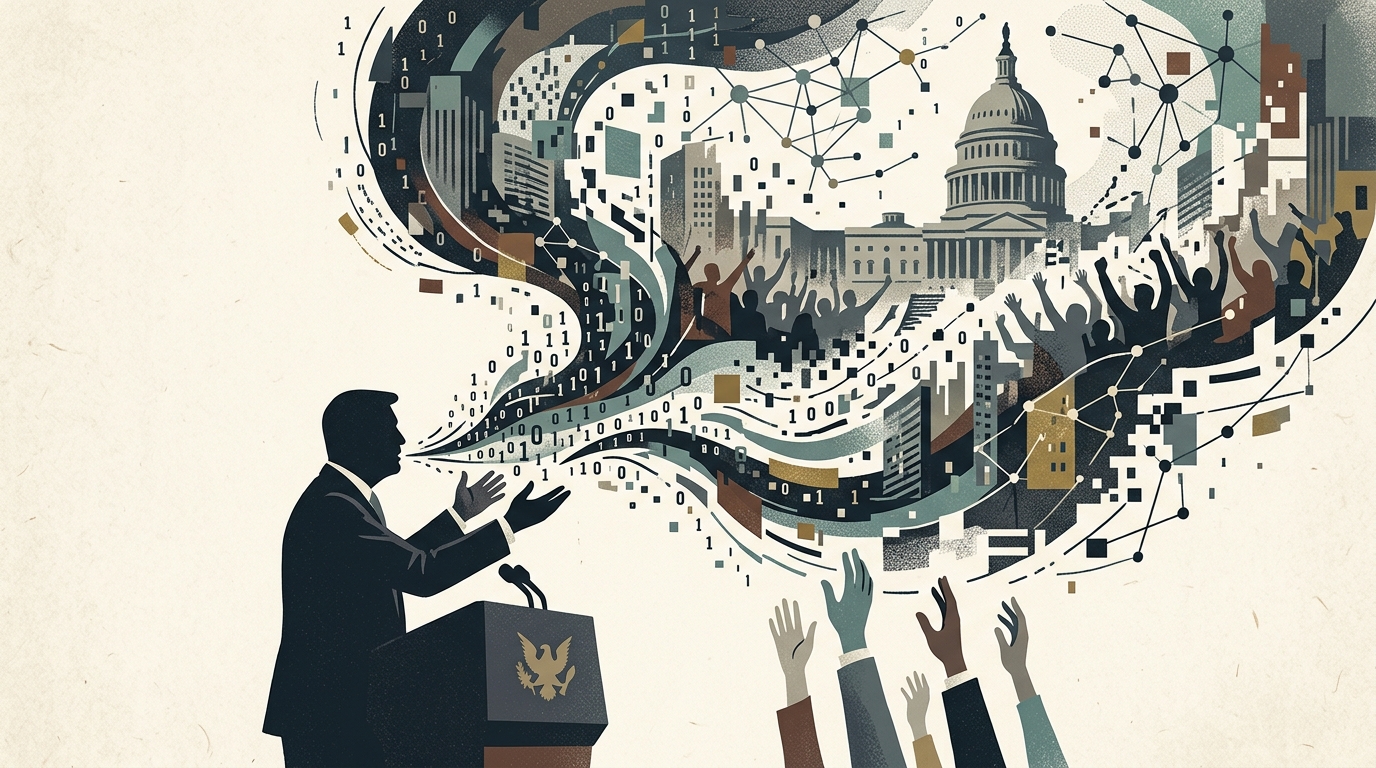
The Vatican’s intervention in AI is not an attempt to return to the past or a technophobic reaction. Instead, it is a recognition that technology is a gift of human intelligence that must be guided by wisdom. The upcoming encyclical will serve as a moral roadmap, inviting believers and non-believers, scientists, and politicians alike to reflect on what kind of humanity we wish to build. In a world governed by binary code, the Vatican reminds us that the essence of our existence lies in those elements that no machine will ever be able to simulate: compassion, moral judgment, and the search for the transcendent.