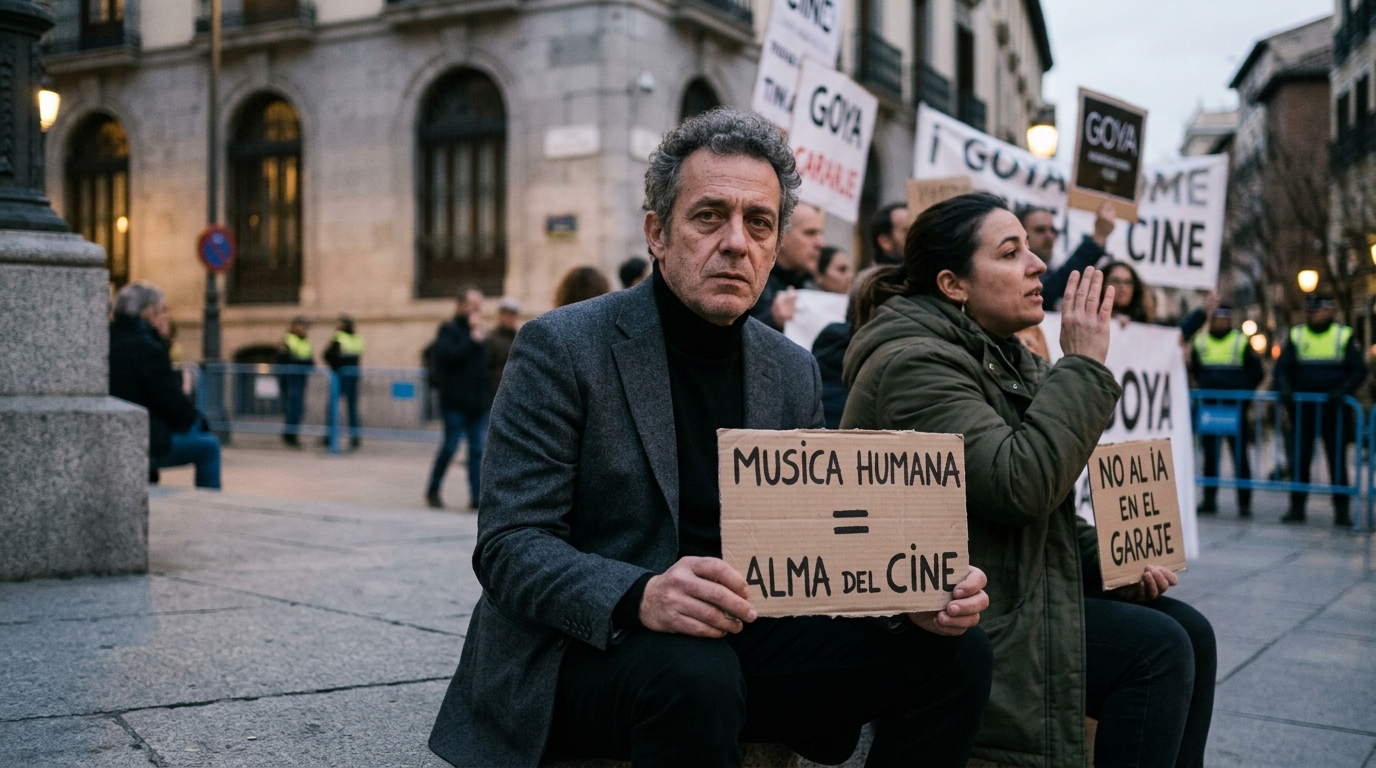
In an era where technological progress often outpaces our capacity for philosophical reflection, the Vatican is emerging as an unexpected yet pivotal player in shaping the future of Artificial Intelligence (AI). The upcoming papal encyclical, expected to focus on the ethical and social implications of the digital revolution, is not merely a religious text but a global call to protect human dignity from the dominance of algorithms.
Pope Francis, who despite his age has shown remarkable foresight regarding digital issues, has already laid the groundwork for this intervention. By introducing the term 'Algorethics', the Holy See seeks to bridge the gap between technical development and moral values, arguing that technology must remain at the service of humanity, rather than the other way around.
The 'Rome Call' and the Alliance with Big Tech
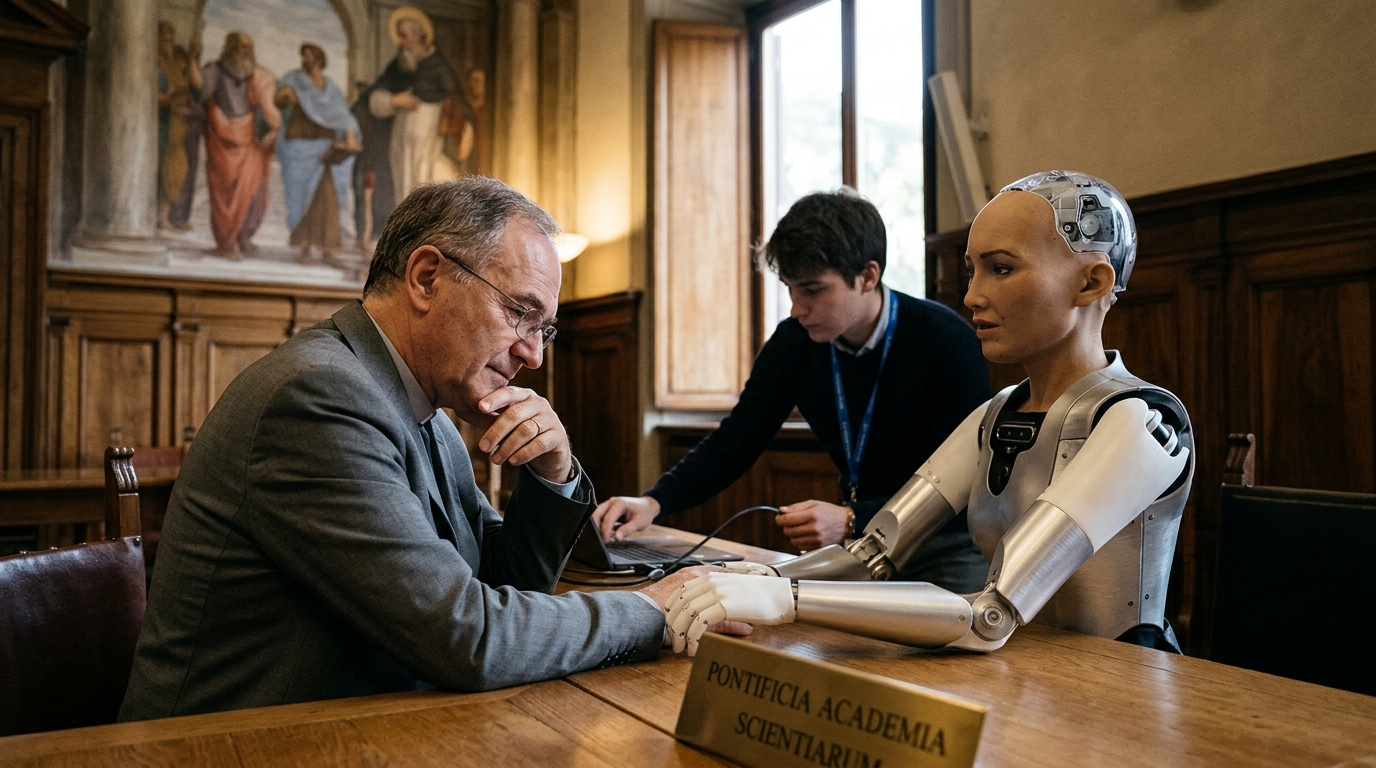
The Vatican is not limiting itself to theoretical declarations. Through the Pontifical Academy for Life, it has already promoted the 'Rome Call for AI Ethics', a document signed by giants such as Microsoft, IBM, and Cisco, as well as representatives of other religions and international organizations. This move signals a strategic shift: the Church is not excommunicating technology but sitting at the same table as its architects.
This approach is based on six fundamental principles: transparency, inclusion, accountability, impartiality, reliability, and security. The Vatican is particularly concerned about how AI can exacerbate inequalities, marginalize the already vulnerable, and create new forms of 'digital colonialism', where wealthy nations control the data and the future of poorer nations.
"Artificial intelligence is a fascinating and dangerous opportunity. If it is not viewed through the lens of ethics, we risk turning human life into a mere set of data to be processed," the Pontiff has stated.
The Danger of Algorithmic Bias
One of the central points of papal critique concerns the opacity of algorithms. The Church argues that when decisions about employment, medical care, or even criminal justice are delegated to AI 'black boxes', human freedom is endangered. The encyclical is expected to analyze how biases embedded in code can perpetuate racism, sexism, and class discrimination.
- The necessity for human oversight (Human-in-the-loop).
- The protection of personal data as a fundamental human right.
- Ensuring that AI will not be used to suppress dissent.
For the Vatican, the stake is the very nature of humanity. If AI begins to be seen as a superior form of intelligence that does not require moral guidance, then humans are demoted to a biological component of a global machine.
Geopolitics and Digital Peace
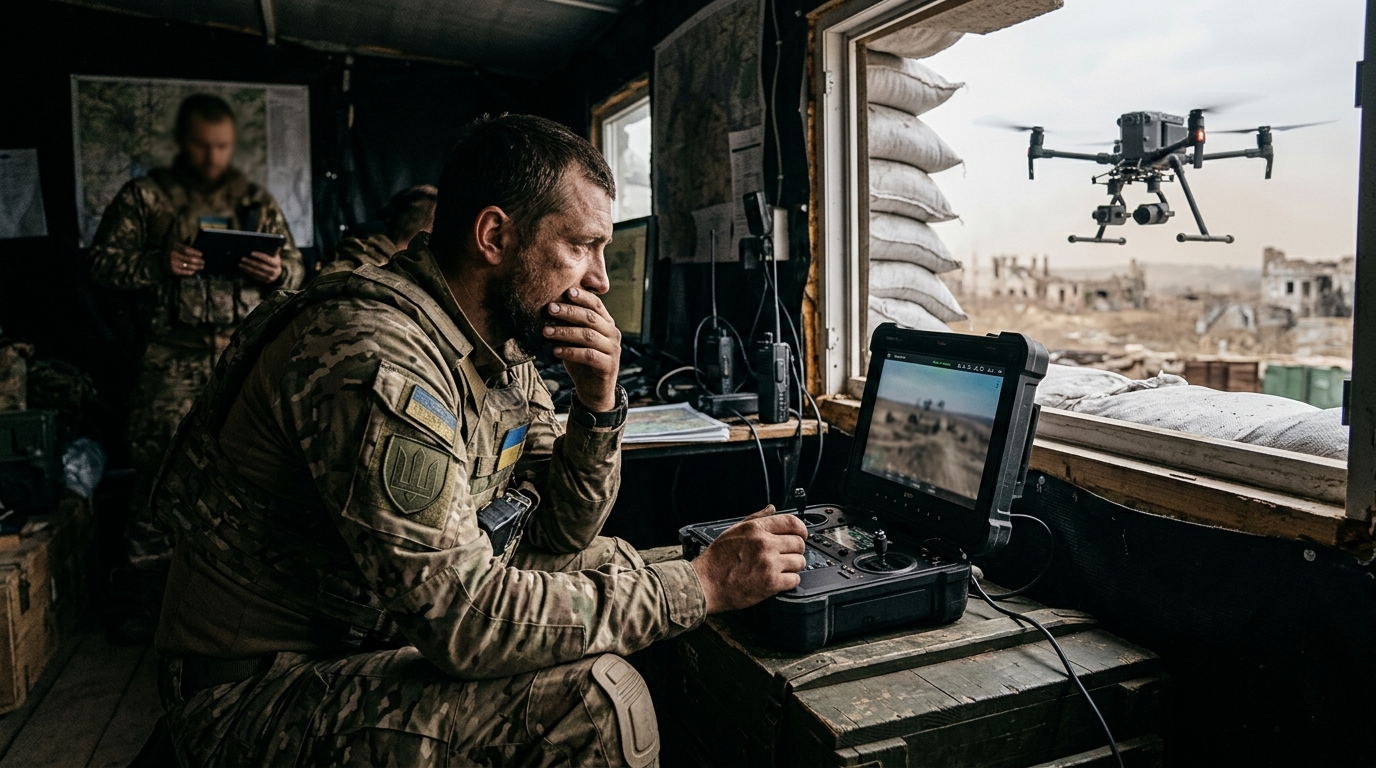
In his 2024 G7 speech, Pope Francis emphasized that AI can be a tool for either peace or war. The upcoming encyclical will likely condemn autonomous weapons systems (killer robots), arguing that the decision over life and death should never be delegated to a machine. This position puts the Vatican on a collision course with the military industries of major powers.
Furthermore, the Holy See views AI as a matter of social justice. The concentration of technological power in a few companies and states creates a new form of feudalism. The encyclical will call for a 'democratization' of technology, so that its benefits are spread across all of humanity and not just to those who can afford to buy it.
Conclusion: An Ethical Compass for the Future
The Vatican's intervention is not about returning to the past, but about building a future where technology has a 'soul'. The new encyclical is expected to be a reference text not only for Catholics but for every thinking citizen, academic, and political leader. In a world moving at the speed of silicon, the voice of Rome calls us to slow down and ask: What does it truly mean to be human in the age of the machine?