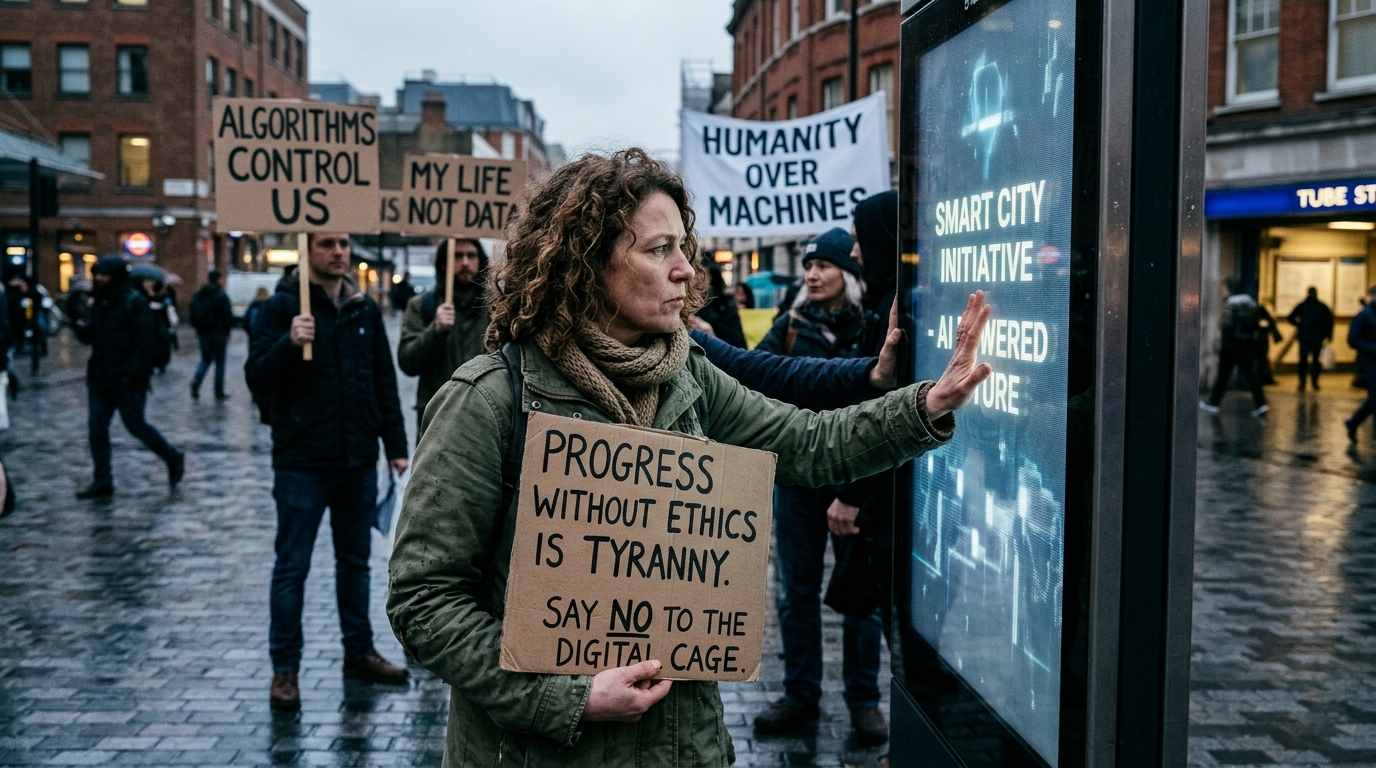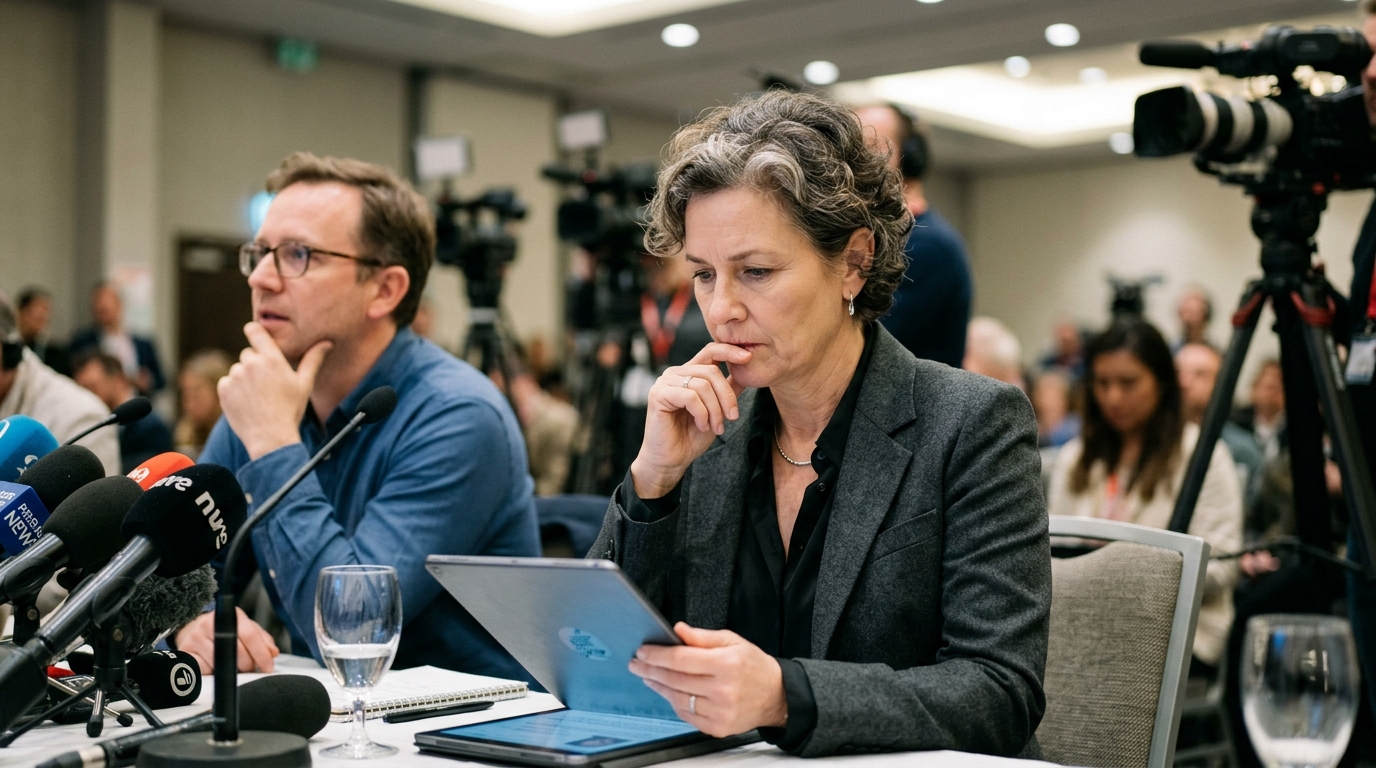
In the 2006 classic, Miranda Priestly gave a masterclass on how a specific shade of blue (cerulean) filtered down from haute couture runways to bargain bins, influencing the lives of millions who thought they were making an independent choice. Today, twenty years later, the announcement of a sequel to 'The Devil Wears Prada' is met not with unbridled excitement, but with a deep, almost reflexive suspicion. The question dominating social media wasn't 'what will Andy wear?', but rather 'is this real or is it AI?'.
The Phenomenon of the Fake Sequel
For years, the internet has been saturated with 'concept trailers' and posters for non-existent films. Using tools like Midjourney and Runway, amateur creators construct convincing visual evidence for hypothetical sequels, ranging from 'Gladiator 2' (before it became a reality) to a Wes Anderson-directed version of 'Harry Potter.' This flood of content has birthed a new psychological state among users: 'verification fatigue.'
When Disney and 20th Century Studios confirmed that a sequel is indeed in development, with original screenwriter Aline Brosh McKenna returning, a large portion of the audience remained skeptical. The news was dismissed as just another 'AI meme' that had spiraled out of control. This highlights a dangerous pivot in our digital culture: artificial intelligence isn't just making us believe the fake; it's making us feel foolish for believing the truth.
The Erosion of Trust and the 'Liar’s Dividend'
The ethical implications of this confusion extend far beyond the borders of Hollywood. Communication theorists call this phenomenon the 'Liar’s Dividend.' In a world where deepfakes are ubiquitous, anyone confronted with an inconvenient truth can simply claim it is 'AI-generated.' In the case of 'The Devil Wears Prada 2,' the truth became a victim of its own perceived improbability. After years of rumors and fake trailers, the actual news felt like the final act of a long-running digital prank.
The irony is that the film itself deals with authenticity and surface-level appearances. The fact that the sequel is being treated as a 'meme' before filming even begins serves as a postmodern critique of how we consume entertainment. The film industry, in its desperate scramble to monetize nostalgia (IP recycling), has created an environment where viewers expect recycling and, therefore, perceive it as artificial by default.
The Challenge for Journalism and Media
For journalists, this case serves as a warning signal. The speed at which news is labeled 'fake' or 'AI-generated' demands new levels of transparency and verification. It is no longer enough to report the news; you must prove its provenance in a world that has learned not to trust its eyes.
"AI hasn't stolen our jobs yet, but it has stolen our ability to be surprised by reality,"a digital media analyst recently noted.
In conclusion, the 'Devil' may wear Prada, but the public now wears the glasses of cynicism. The challenge for the sequel's creators will not only be to write a compelling script but to convince the audience that their film has a reason to exist beyond an algorithm analyzing nostalgia data. In the age of AI, authenticity is the new cerulean: rare, expensive, and incredibly difficult to define.