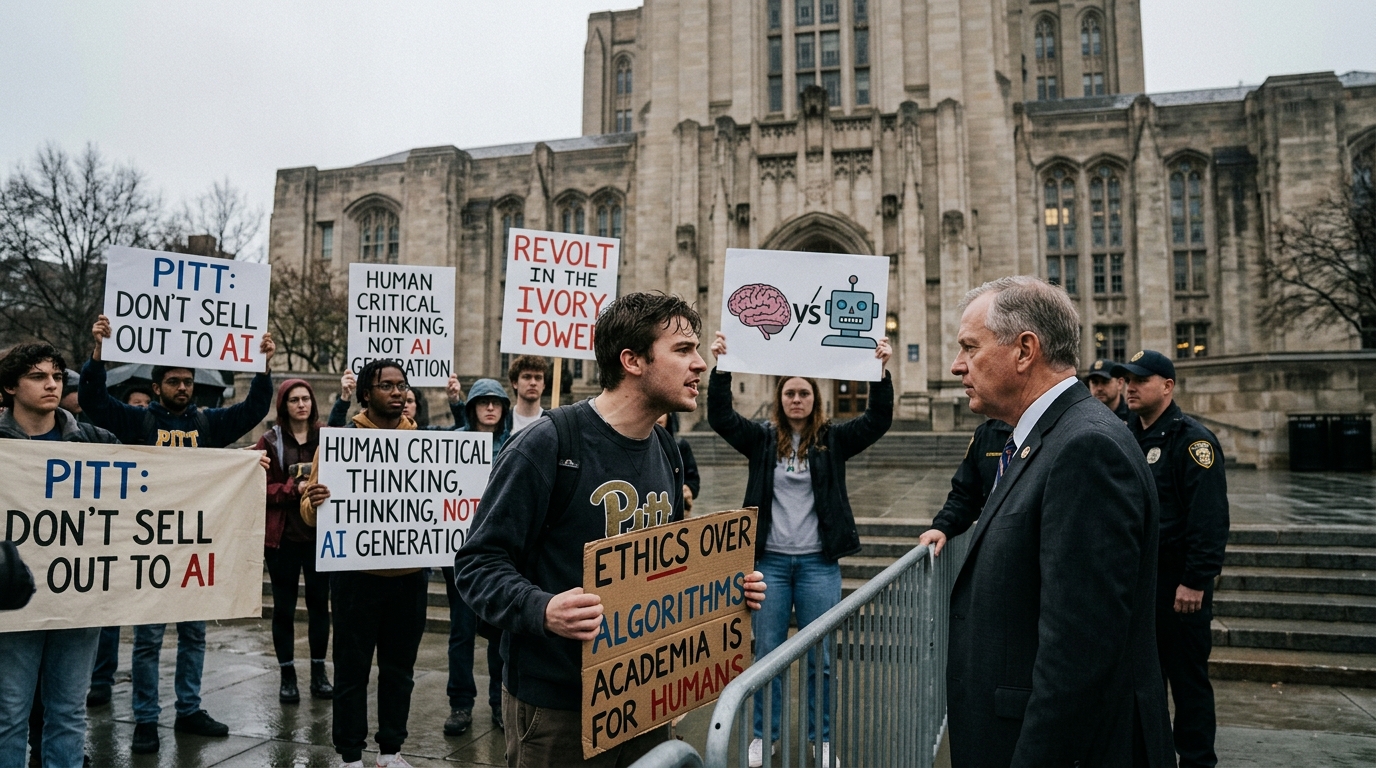
In the historic halls of the University of Pittsburgh (Pitt), a new form of ideological and existential conflict is unfolding. This isn't about the usual political demands or tuition protests, but something deeper: the very nature of learning and work in the age of Artificial Intelligence. Recent student mobilizations against the unchecked integration of AI tools into the academic process have brought to light a generational and conceptual divide, with educators attempting to balance ethical mandates against the raw reality of the labor market.
The Resistance of the 'New Luddites'
The students participating in the protests are far from technophobic. On the contrary, they are the first generation to grow up with technology in the palm of their hands. However, their concern stems from a fear that AI devalues their degrees and alienates the process of critical thinking. "We pay thousands of dollars to learn how to think, not how to prompt an algorithm," stated one protest organizer. Students are voicing fears regarding intellectual property, the potential for bias in grading algorithms, and, crucially, the increasing pressure to become "machine operators" rather than scholars.
Their rhetoric echoes, to some extent, the Luddite movement of the 19th century, but with a modern twist. They aren't attacking machines because they hate them, but because they fear machines will be used by the university establishment to cut operational costs, increase surveillance, and ultimately deliver graduates with fewer substantive skills to the job market.
The Professor’s Warning: The Necessity of Adaptation
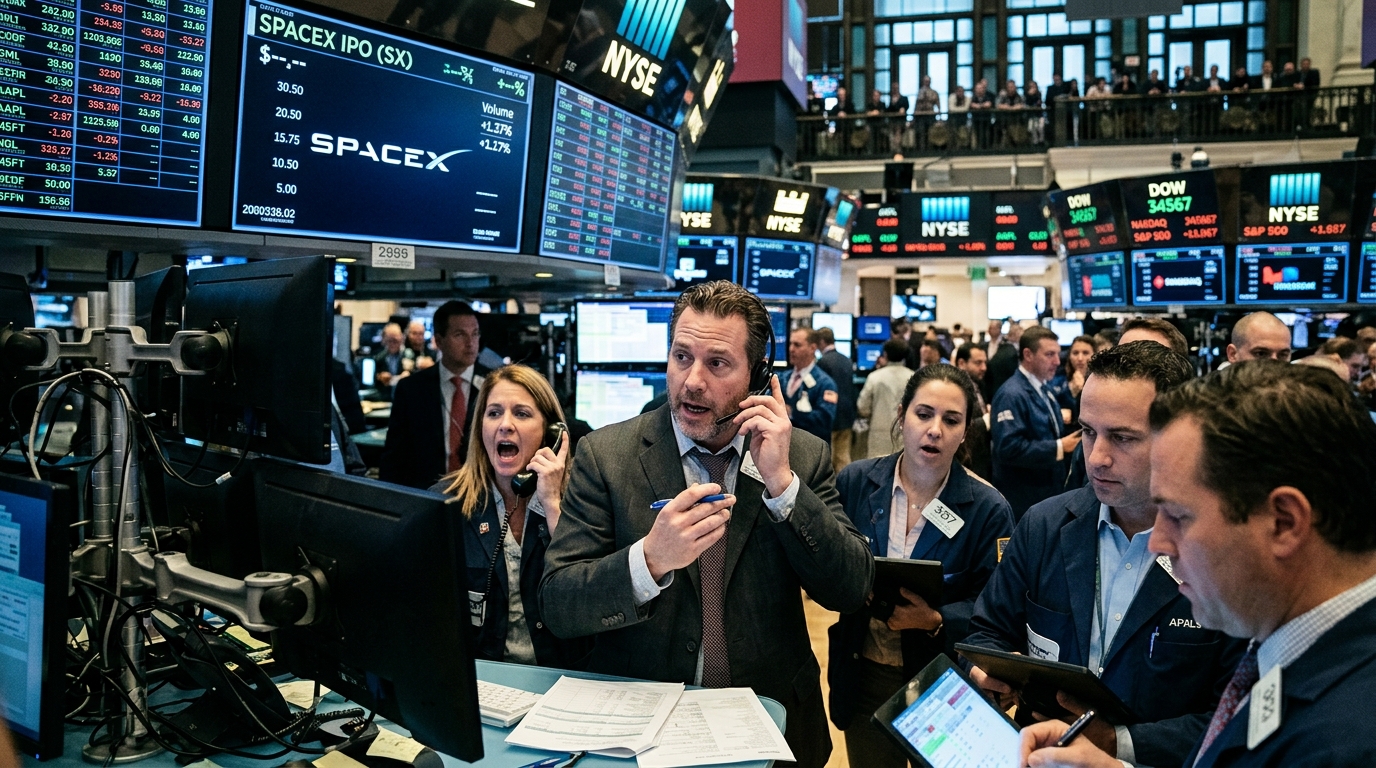
In contrast to this resistance, a Pitt professor, in an intervention that sparked significant debate, argued that refusing AI is a losing battle. "We cannot delay the AI adoption," he emphasized. His argument is built on a harsh truth: the world outside the university gates has already changed. Corporations, research institutions, and governments are integrating AI at a breakneck pace. If the university fails to prepare students for this environment, it is effectively sentencing them to unemployment or underemployment.
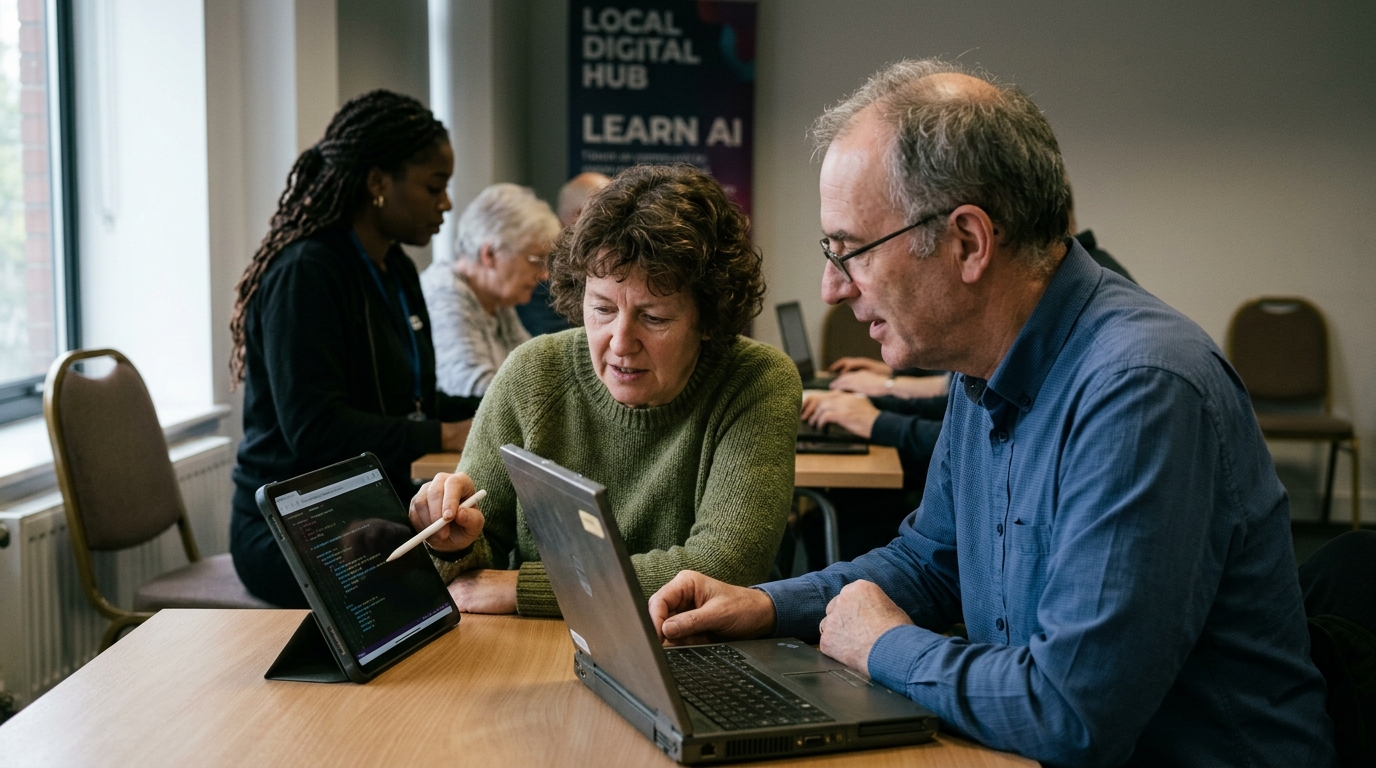
According to the professor, the academic community has a duty to teach "algorithmic literacy." This means students must understand how these systems work, where they fail, and how they can be used as tools to enhance their own creativity. Delaying this, he argues, will create a skills gap that will be filled by private entities, weakening the role of the public university as the guardian of knowledge.
"To ignore AI in the classroom is to ignore the reality of the 21st-century workplace. Our job is not to shield students from the future, but to arm them for it."
The Ethical Dilemma and the Future of Education
The issue surfacing at Pittsburgh is not merely technical, but deeply ethical. How do we ensure that AI does not replace human judgment? How do we protect academic integrity when an algorithm can write an essay in seconds? The answer may not lie in prohibition, but in a radical redesign of assessment.
Many experts suggest a return to oral examinations or assignments requiring personal field research, where AI cannot easily intervene. Simultaneously, universities must establish strict rules for the transparency of algorithms used in administration and teaching. The student protest serves as a necessary reminder that technology should not be imposed "top-down" but should be the subject of democratic dialogue within the academic community.
- The urgent need for transparency in algorithmic use by academic institutions.
- Re-evaluating teaching methods to safeguard critical thinking.
- Developing an ethical framework to protect student rights and data.
- Recognizing AI as an integral part of future professional life.
In conclusion, the clash at the University of Pittsburgh is a microcosm of the challenges facing our society. The balance between progress and the protection of humanistic values is delicate. As the professor noted, technology waits for no one, but education is what must ensure that the human remains at the center of the equation.