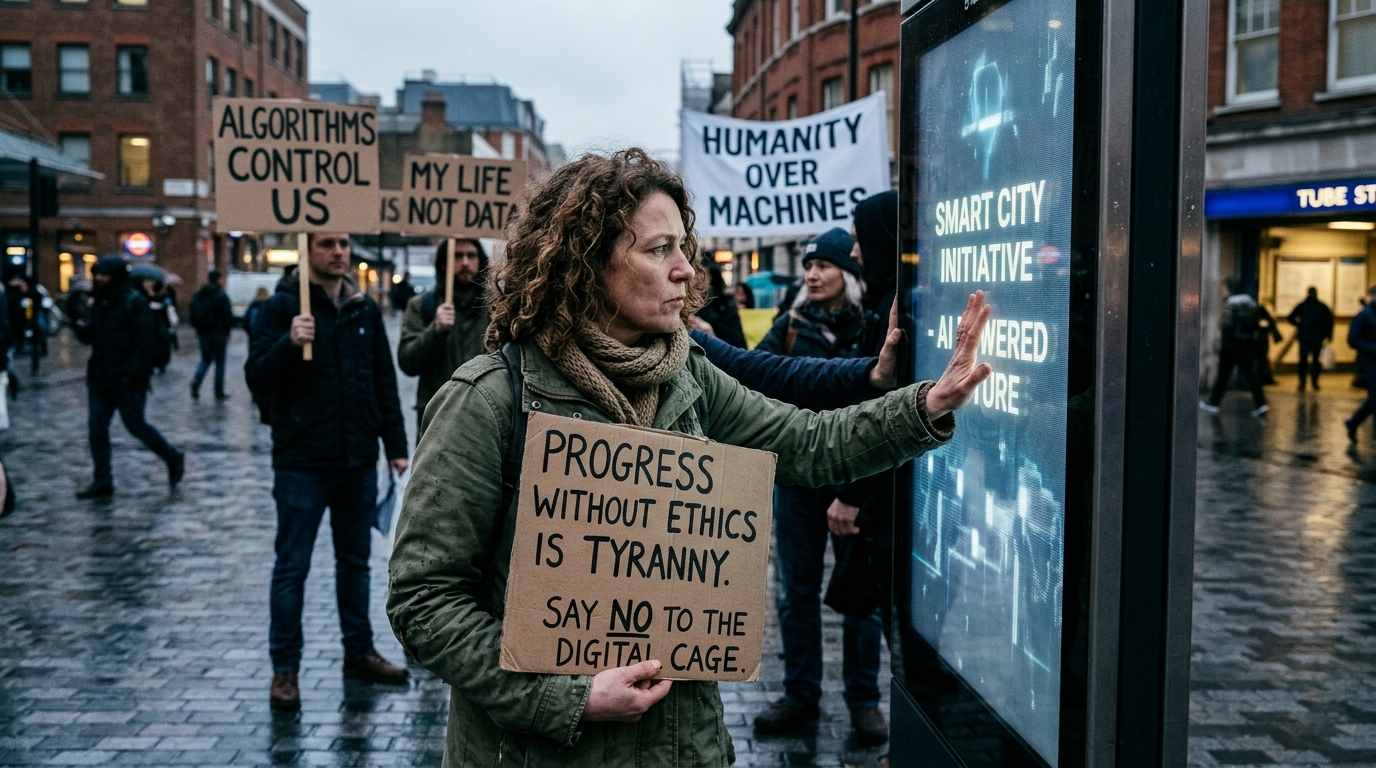
In an era where the entertainment industry is being reshaped by the rapid advancements of Artificial Intelligence, one of the most influential voices in cinematic history, Steven Spielberg, has intervened with a warning that resonates across Hollywood. For the man who gave us "E.T.", "Schindler's List", and "Jurassic Park", AI is nothing more than a tool—and a potentially dangerous one if allowed to lead the creative process unchecked.
Spielberg's intervention comes at a critical juncture, as major studios increasingly experiment with generative AI for scriptwriting, visual effects, and digital actor replication. The director, who previously explored the relationship between man and machine in his 2001 film "A.I. Artificial Intelligence", now seems to be building a protective wall around the "human touch."
The Ghost in the Machine: Spielberg’s Philosophical Stand
According to Spielberg, the essence of directing and storytelling lies not in technical proficiency, but in the ability to convey emotion and personal experience. "The soul is not something that can be programmed," he recently stated, emphasizing that AI, however sophisticated, remains an algorithm recycling existing information. It cannot give birth to something truly new because it lacks lived experience.
The director expresses concern that over-reliance on AI will lead to an "algorithmic homogeneity," where films all look and feel the same, stripped of the creative "imperfections" that make art human.
"Creation is an act of faith and imagination. When we give the steering wheel to an algorithm, we lose the element of surprise that only the human mind can offer,"he notes poignantly.
From De-aging to De-humanizing: The Technical Creep
It is noteworthy that Spielberg himself has utilized cutting-edge technology, such as digital de-aging in the latest Indiana Jones film, which he produced. However, he draws a sharp distinction between using technology to enhance the image and ceding creative sovereignty. For him, technology must serve the director's vision, not dictate it.
His concern extends to the ethical dimension of AI use. The ability of machines to create photorealistic images and voices that mimic real people raises serious questions about authenticity. If an actor can be replaced by a digital avatar, what remains of the sacred connection between performer and audience? Spielberg insists that the viewer can "feel" when something is artificial, even if their eyes are being deceived.
The Hollywood Paradox: Efficiency vs. Artistry
This debate is not merely philosophical; it is deeply economic. Studios see AI as an opportunity to drastically reduce production costs. Writing a draft script in seconds or creating environments without the need for physical construction are tempting prospects. However, Spielberg warns that these short-term savings could lead to long-term cultural bankruptcy.
- The loss of jobs for creative professionals (writers, storyboard artists, concept designers).
- The degradation of intellectual property, as AI is trained on creators' works without consent.
- The erosion of audience trust in the authenticity of the cinematic experience.
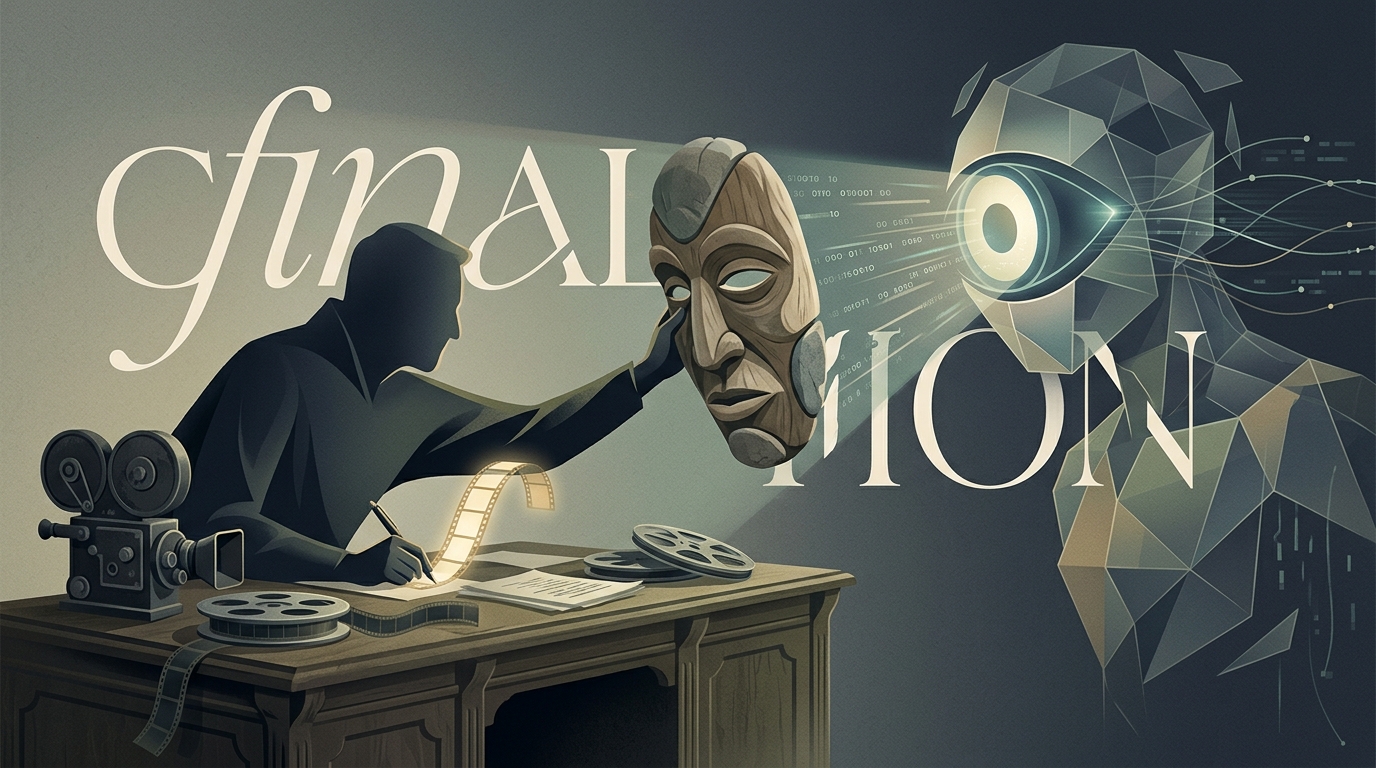
Spielberg calls on his colleagues to establish strict ethical guidelines. AI must remain in the background as a "digital assistant" that facilitates technical processes but must never be granted the right of the "final cut."
The Moral Imperative of the Human Mistake
Ultimately, Spielberg’s position is a defense of the human mistake. In the history of cinema, many of the most iconic moments arose from accidents on set, an actor's improvisation, or a technical difficulty that forced the director to think differently. AI, by its nature, seeks perfection based on patterns. But art, as Spielberg argues, is not perfection; it is the human attempt to understand the world through our own weaknesses.
As cinema enters this new, uncharted territory, Spielberg’s words serve as a compass. Technology may give us the means to fly, but the heart and soul of the flight must remain human. The last word belongs to the creator, not the code.