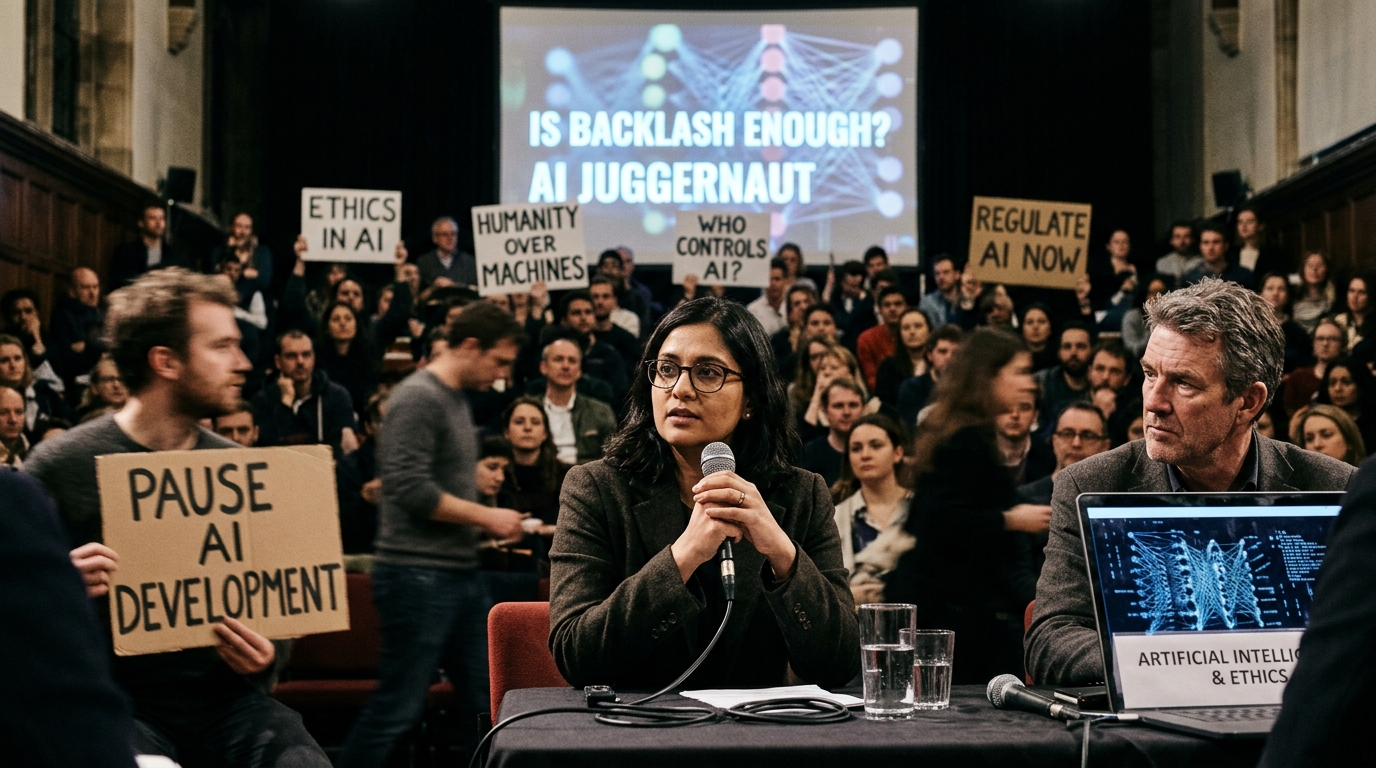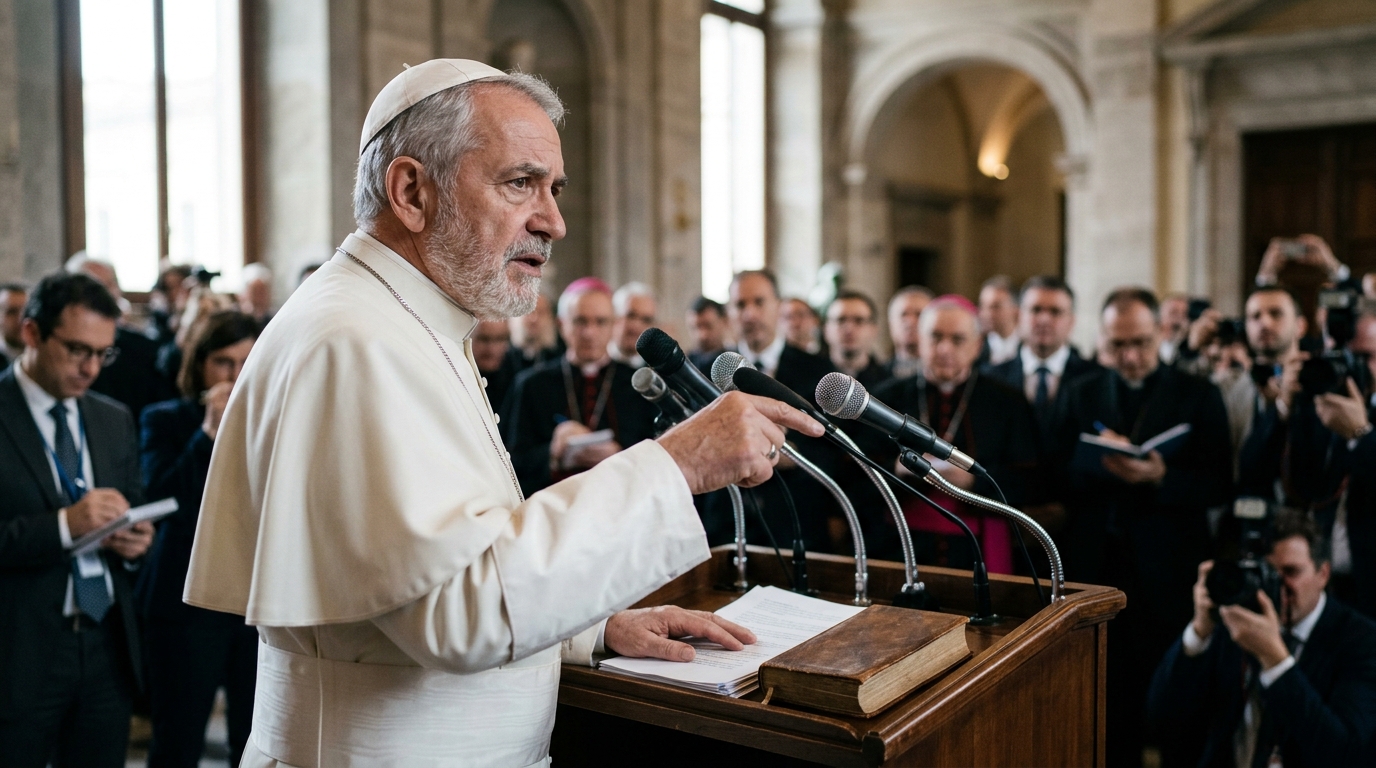
In an era where Artificial Intelligence (AI) has ceased to be a mere productivity tool and has become the backbone of global geopolitical and economic power, the voice of the Vatican resonates with an unexpected but imperative gravity. Pope Leo, in a speech destined to be remembered as the 'Manifesto of Digital Humanity,' launched a scathing attack on the tech giants of Silicon Valley and Shenzhen, accusing them of turning innovation into an 'instrument of domination, exclusion, and death.'
This intervention is not merely a theological stance; it is a profound political and ethical analysis of the dangers lurking when technological power is concentrated in very few hands, devoid of democratic oversight or an ethical compass. The Pope used the word 'disarmament' not just in the narrow military sense, but as a metaphor for the need to strip AI of the ability to decide on human life, dignity, and destiny without human intervention.
The Digital Arsenal and the Threat of Autonomous Weapons
The first and most immediate prong of the Pope's critique concerns the use of AI in armed conflict. As we navigate through 2026, the use of Lethal Autonomous Weapons Systems (LAWS) has moved from the realm of science fiction to the daily reality of battlefields. Pope Leo was categorical: 'No machine should ever have the power to choose whether a human being lives or dies.' The call for a ban on 'killer robots' is not new, but linking it to the broader ethical crisis of technology provides new momentum to the international movement for arms control.
According to the Pontiff, the 'disarmament' of AI begins with the refusal of scientists and corporations to cooperate on programs aimed at automating death. His critique was directed squarely at the multi-billion dollar defense contracts signed by Big Tech firms, arguing that pursuing profit through the war industry constitutes a 'betrayal of the human mission of science.'
'Technocratic Tyranny' and Social Exclusion
Beyond the battlefield, Pope Leo analyzed how AI is used to enforce a new form of 'digital totalitarianism.' Algorithms that determine who is eligible for a loan, who gets hired, or who is monitored by the state often function as invisible tools of exclusion. 'We are seeing the construction of a world where the poor and marginalized are not just rejected, but erased from the system through algorithmic bias,' he emphasized in his address.
The concentration of data—the 'new oil'—within a handful of companies creates a power imbalance that threatens democracy. The Pope warned that AI could become the ultimate tool for manipulating public opinion, creating 'echo chambers' that polarize societies and undermine social cohesion. The solution, according to the Vatican, is not technophobia but 'algor-ethics': the integration of ethical values into the very code of the programs.
The Need for Global AI Governance
The conclusion of the Pope's speech was a plea to the international community for the creation of a binding legal framework to place AI under human control. Voluntary codes of conduct by corporations, which often amount to mere 'ethics washing,' are not enough. A global treaty is required to treat AI as a common heritage of humanity, which must serve the common good rather than the interests of shareholders or authoritarian regimes.
- Transparency: Algorithms making critical decisions must be open to audit.
- Accountability: There must always be a human responsible for the actions of an AI.
- Inclusion: Technological development must consider the needs of the global South.
- Peace: A universal ban on the use of AI in offensive weapons systems.
Pope Leo's intervention comes at a time when the European Union and the United States are struggling to find common ground on AI regulation. The Church's moral voice adds a dimension that transcends economic interests, reminding us that at the center of the technological revolution, the human being must remain, not profit or domination.