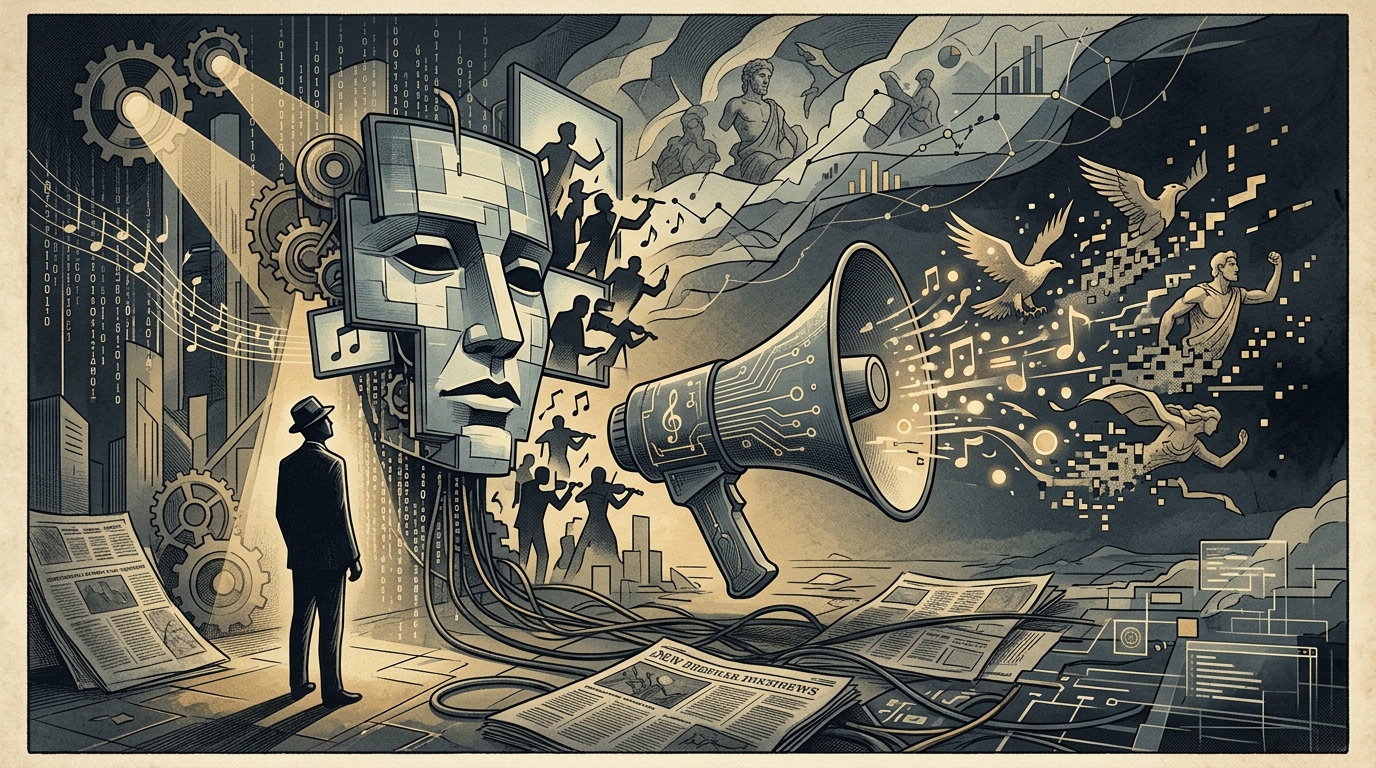
In an ironic twist of fate that mirrors a dark satirical comedy, the world of cybercrime is currently embroiled in a heated internal debate. As Artificial Intelligence (AI) permeates every facet of the legitimate economy, it has also begun to dominate the darker corners of the web, sparking outrage among a faction of 'traditional' scammers. According to recent reports from cybersecurity researchers and analyses of Dark Web forums, there is a growing wave of indignation from criminals who believe that the use of tools like FraudGPT and WormGPT undermines the 'craft' of the scam and, paradoxically, the ethics of their industry.
The Industrialization of Crime and the Death of the Artisan Hacker
For decades, successful digital fraud required a blend of technical skill, social engineering prowess, and sheer persistence. The 'old guard' of the underworld took pride in their ability to craft convincing phishing messages that bypassed security filters through careful linguistic nuance. The advent of Large Language Models (LLMs) has fundamentally altered this landscape. Today, even the most inexperienced 'script kiddie' can generate thousands of perfectly articulated emails in dozens of languages within seconds.
This mass automation has led to significant market saturation. Traditional scammers complain that AI is flooding the internet with low-quality, high-volume attacks, which in turn makes users more suspicious and cybersecurity firms more aggressive in their defensive postures. 'Using AI is for the lazy,' wrote one user on a prominent criminal forum. 'There is no effort anymore, no thought. They just press a button and wait. This is ruining the ecosystem for everyone.' This sentiment reflects a bizarre form of professional elitism within the criminal community.
The Paradox of 'Criminal Ethics'
The most fascinating aspect of this development is the invocation of ethics by individuals whose livelihoods depend on theft. In their discussions, many scammers argue that using AI to create deepfakes or clone the voices of relatives—specifically to target the elderly—crosses a 'red line.' While stealing bank credentials is seen as 'part of the game,' the total automation of emotional exploitation via AI is viewed by some as 'dishonorable.'
However, analysts point out that this ethical stance is likely a smokescreen for a deeper fear of competition. AI has drastically lowered the barrier to entry for cybercrime. Where specialized knowledge was once a prerequisite, a simple subscription to an illicit AI bot now suffices. This democratization of crime threatens the profit margins of established criminal organizations, who see their 'market' becoming overcrowded with amateurs who draw unnecessary attention from law enforcement agencies.
The Security Response and the Future of Fraud
While criminals bicker over who is the most 'honest' in their dishonesty, security agencies are watching with growing concern. The use of AI by malicious actors isn't just about volume; it's about the velocity of evolution. AI models can iterate through thousands of variations of malicious code until they find one that remains undetected by standard antivirus software.
'We are in an arms race where AI is attacking AI,' says a senior analyst at Europol. 'The fact that criminals themselves feel threatened by their own technology indicates just how powerful and uncontrollable these tools can become.'
In conclusion, the internal conflict within the digital underworld reveals a profound truth about our era: Artificial Intelligence is not only transforming labor and creativity but also the very nature of deviance. The proverbial 'honor among thieves' appears to be crumbling in the face of algorithmic efficiency, leaving behind a digital landscape where authenticity—even in deception—is becoming an endangered species. As we move further into 2026, the challenge for society will be to navigate a world where the line between human and machine becomes as blurred in the shadows as it is in the light.