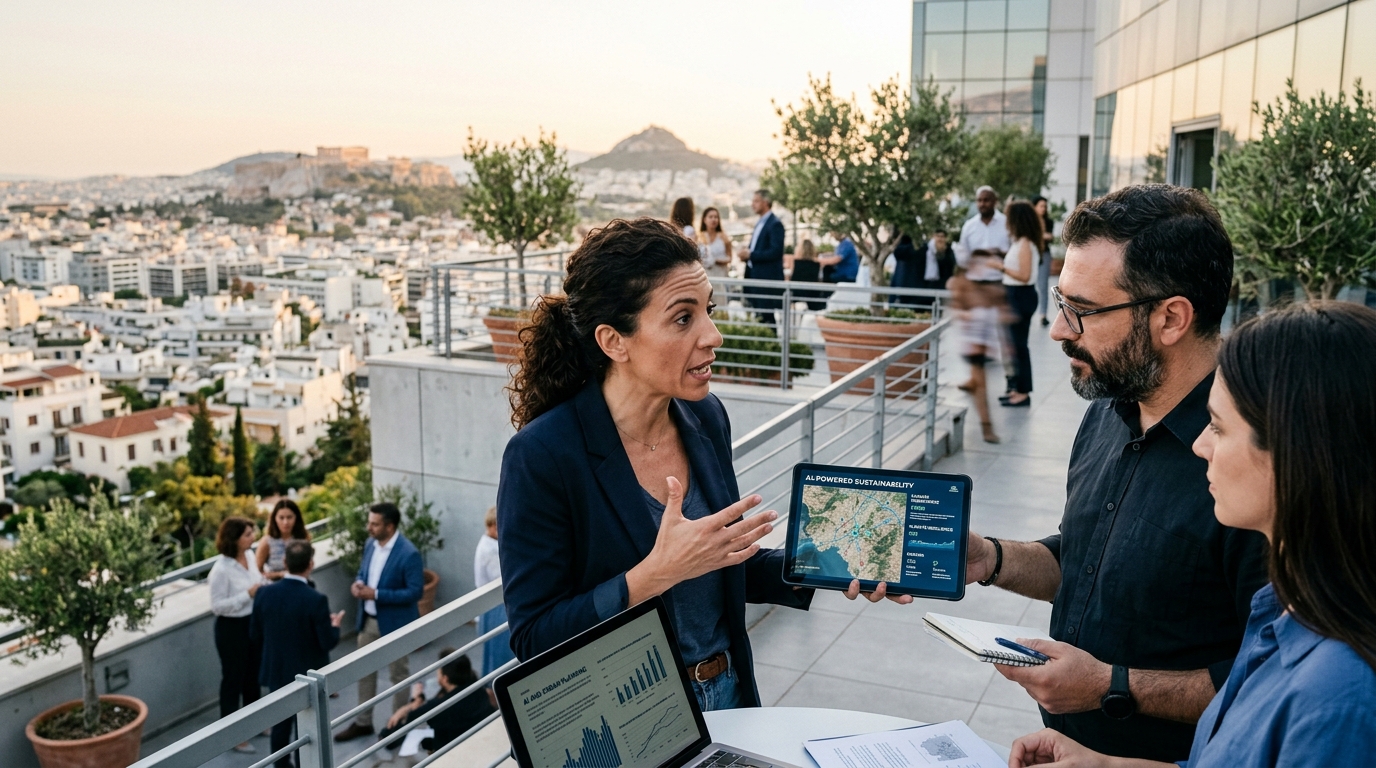
In the heart of West Attica, where the natural splendor of Mount Cithaeron meets the challenges of modern urban development, the recent workshop on "Sustainable Cities" in Vilia highlighted an urgent necessity: redefining our relationship with the environment through technology. The event, which gathered experts in environmental science, informatics, and local governance, was not merely a theoretical discussion but an attempt to chart a roadmap for the survival of Greek cities in an era of extreme phenomena.
The Climate Crisis as a Catalyst for Change
The choice of Vilia for this workshop carries strong symbolism. The region has historically experienced the devastating consequences of wildfires and intense weather events, making it the ideal setting for analyzing climate vulnerability. Speakers emphasized that the concept of a "sustainable city" is no longer a luxury or an ecological trend but a strategic necessity. Rising temperatures, water scarcity, and the need for energy autonomy require radical changes in how we design the urban fabric.
According to data presented, Greek cities are facing the "urban heat island" effect more intensely than ever. The solution, as noted, lies in the integration of Nature-based Solutions combined with smart resource management. Reforesting peri-urban areas, creating pocket parks, and using cool materials in construction are just the beginning.
Artificial Intelligence on the Front Line
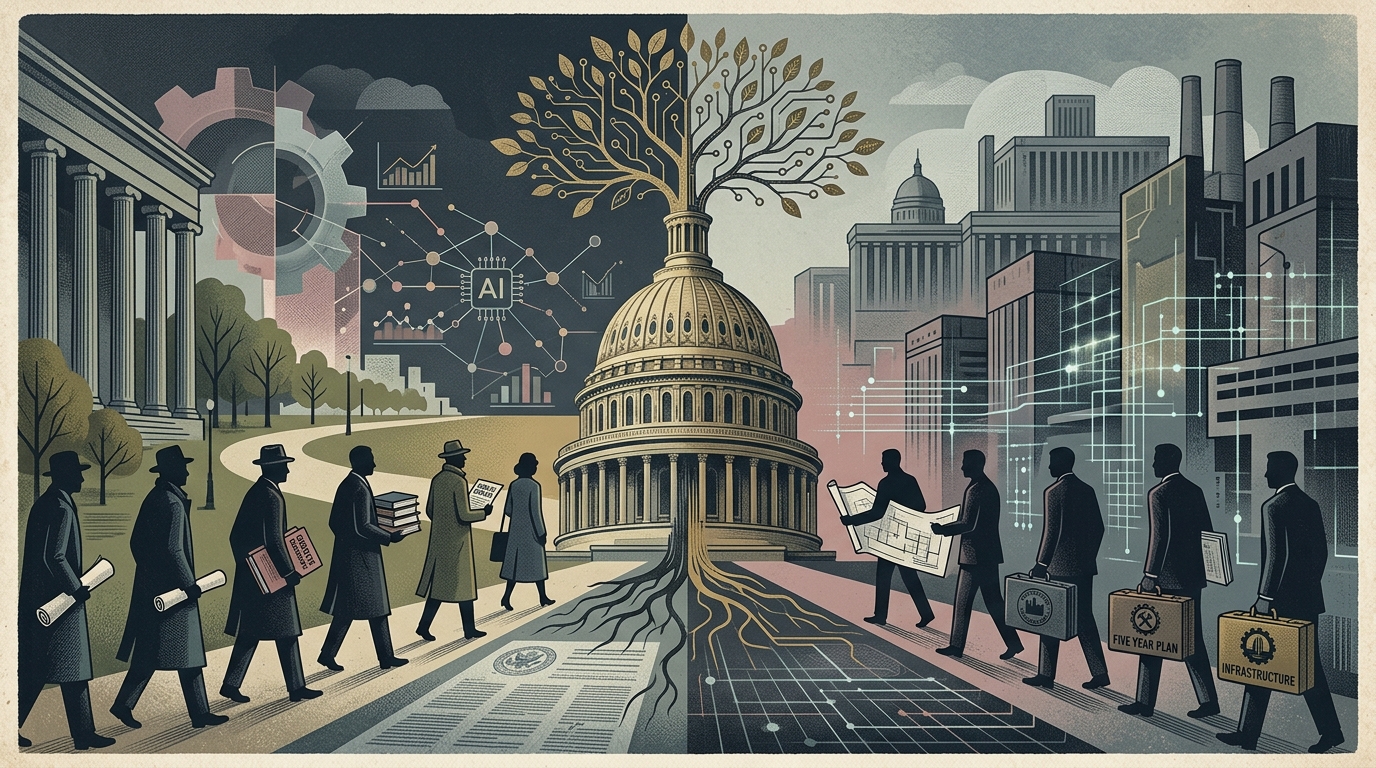
The central focus of the workshop was dominated by the role of Artificial Intelligence (AI) in creating resilient cities. AI is no longer viewed as a distant tool but as a "digital architect" capable of predicting and preventing risks. Through "Digital Twins," municipalities can create virtual models of their cities and simulate flood or fire scenarios, assessing the effectiveness of their infrastructure before an event even occurs.
- Forecasting and Early Warning: Machine learning algorithms analyze satellite data and ground sensors to identify risk hotspots in real-time.
- Resource Optimization: Smart water management systems that reduce waste and digital energy grids (Smart Grids) that adjust demand to renewable energy production.
- Traffic Management: AI systems that reduce carbon footprints by optimizing vehicle flow and promoting public transportation.
Local Governance as the Implementation Body
One of the most significant conclusions of the workshop was that technology alone is not enough. It requires political will and the training of municipal staff. Participants discussed funding tools, such as the Recovery Fund and NSRF (ESPA), which can support the digital transformation of local communities. However, the need for inter-municipal cooperation was highlighted, as climate phenomena do not recognize administrative boundaries.
"Sustainability starts at the neighborhood level, but fortification requires national and European planning. Artificial Intelligence is our ally, but humans remains the decision-makers," noted one of the keynote speakers.
Challenges and Ethical Dilemmas
Despite the enthusiasm, the workshop did not fail to examine the shadows of the technological transition. The protection of citizens' personal data from the use of sensors and cameras, as well as the risk of a "digital divide" between large urban centers and smaller municipalities like Vilia, were subjects of intense reflection. Inclusivity must be the pillar of every "smart" city, ensuring that the elderly or those less familiar with technology are not left behind.
In conclusion, the workshop in Vilia sent a clear message: the battle for the climate will be fought in our cities. Artificial Intelligence provides us with the weapons, but success depends on our ability to use them with wisdom, transparency, and social justice. The transition to a sustainable reality is no longer an option but the only path to a secure future.