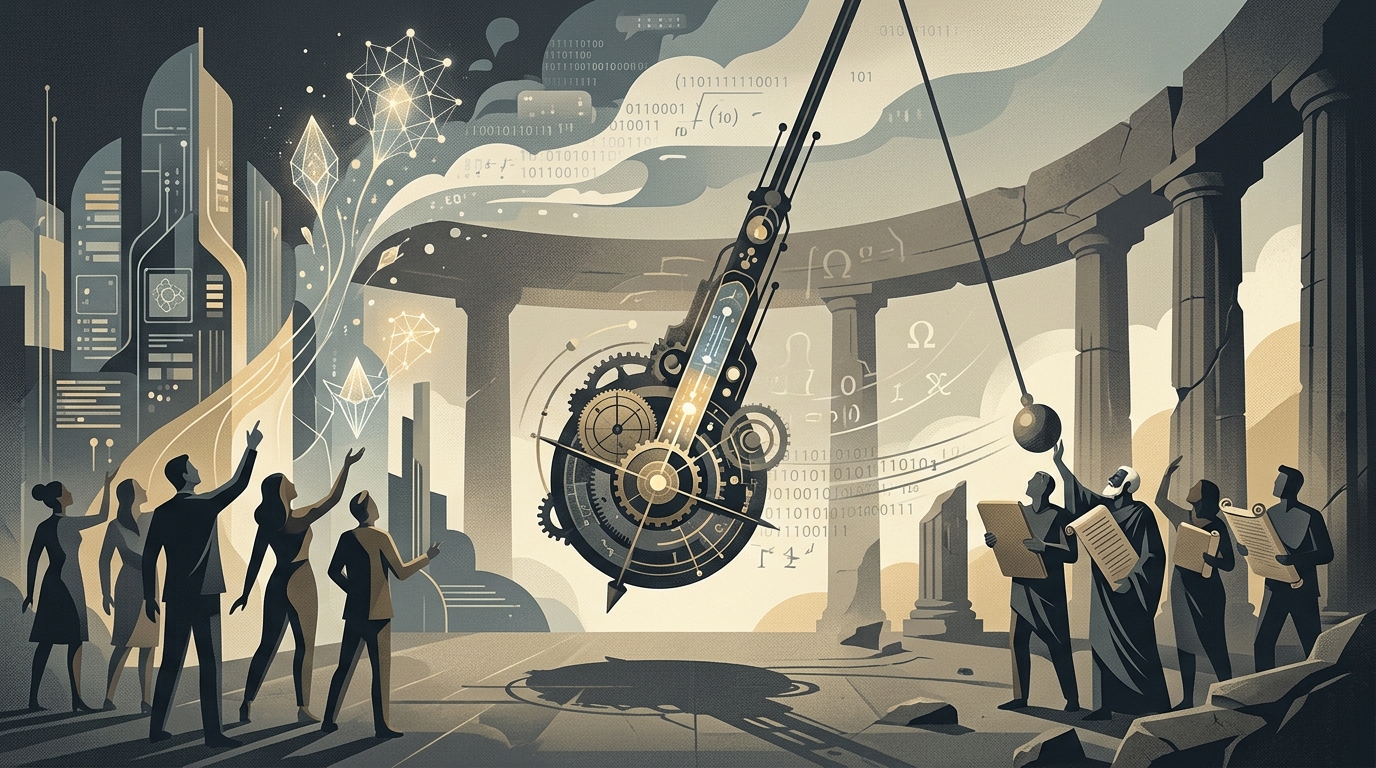
Nick Bostrom is not just any thinker in the technology space. As the man who, in 2014, with his book 'Superintelligence', laid the groundwork for the debate on the existential risk of Artificial Intelligence (AI), his opinion carries the weight of an entire decade of profound reflection. However, in a recent and extensive interview with Le Monde, the Swedish philosopher appears concerned about a different threat: no longer just from AI itself, but from the way society and regulators are reacting to it. Bostrom warns that the 'pendulum has begun to swing too far to the other side,' threatening to stifle innovation under a mountain of bureaucracy and moralizing.
From Existential Risk to Existential Opportunity
For years, Bostrom was seen as the prophet of doom. His warnings about a superintelligence that could wipe out the human race if not aligned with human values inspired figures like Elon Musk and Bill Gates. Today, however, Bostrom sees a shift in the landscape that worries him just as much. Following the closure of the Future of Humanity Institute (FHI) at Oxford University—an institute he founded and directed for nearly two decades—the philosopher seems to be reflecting on the trajectory of the AI safety movement.
According to Bostrom, the current focus of public opinion and lawmakers has shifted from long-term existential risks to short-term issues of 'AI ethics,' such as bias, misinformation, and social justice. While he acknowledges the importance of these topics, he argues that the attempt to make AI 'perfectly safe' and 'politically correct' before it is even fully developed risks delaying or even canceling the massive benefits the technology could offer, such as curing diseases, solving the climate crisis, and eradicating poverty.
The Trap of Over-Regulation
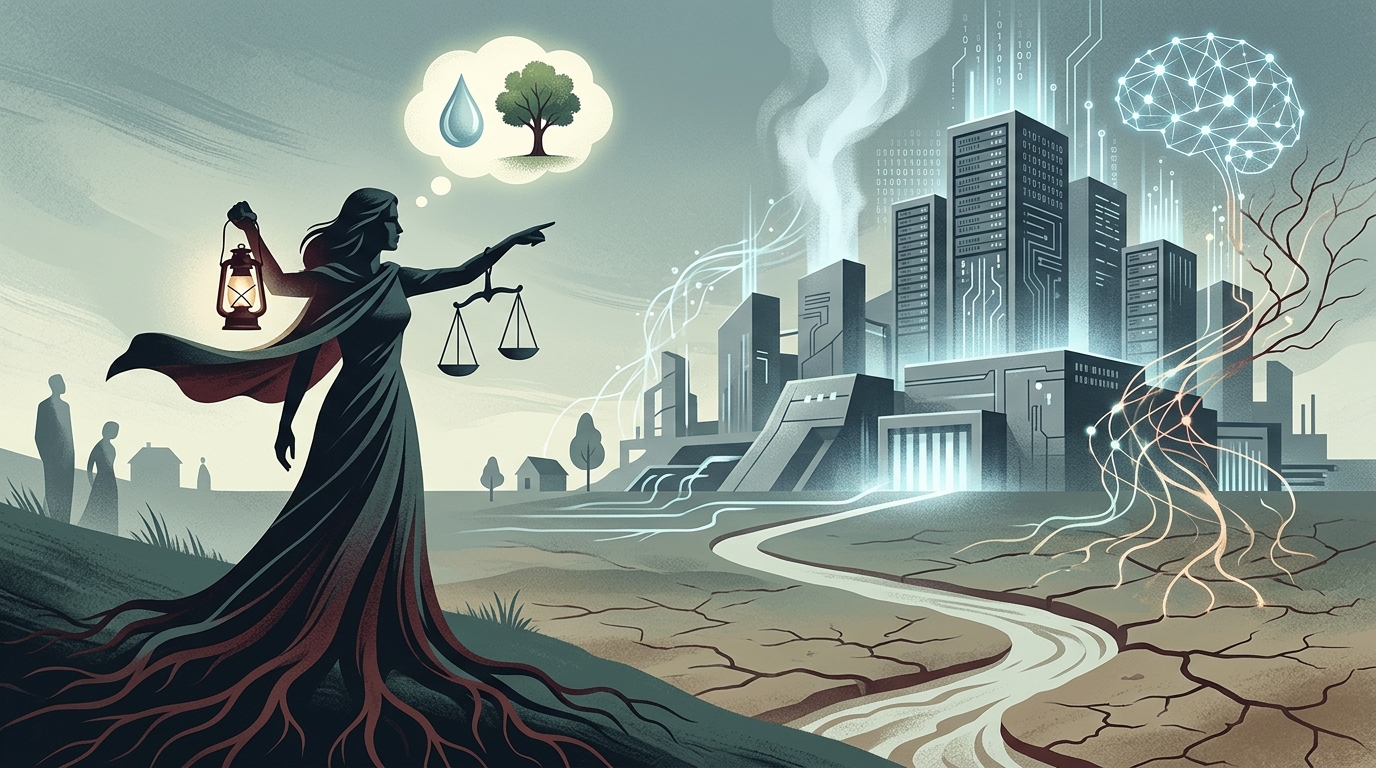
Bostrom is sharply critical of recent legislative initiatives, such as the European Union's AI Act. He argues that governments, in their attempt to control technology, are creating a suffocating framework that favors only the big players (regulatory capture), as only giants have the resources to comply with such complex rules. This, according to him, leads to a concentration of power that is just as dangerous as the AI itself.
"If the pendulum swings too far toward prohibition and restriction, we risk losing the opportunity to transform the human condition for the better," he notes.
His transhumanist orientation is clear: for Bostrom, AI is not just a tool, but the means for humans to overcome their biological limitations. Delaying the development of AI means, quite simply, more deaths from aging and diseases that could have been avoided.
The Politicization of Technology
Another point Bostrom touches upon is the 'ideological contamination' of AI models. He observes that companies' efforts to avoid backlash lead to models that are overly cautious or even biased in the opposite direction, sacrificing accuracy and truth on the altar of social acceptance. This 'sterilization' of AI, according to him, reduces its utility and makes it less capable of tackling complex problems that require objective analysis.
In conclusion, Bostrom calls for a 'great balance.' AI safety remains critical, but it must not be turned into a tool for censorship or a barrier to progress. The challenge for humanity in 2026 is not just to tame digital intelligence, but to ensure that the fear of the unknown does not lead to a new era of technological obscurantism.
Key Takeaways
- The shift from existential risk focus to excessive regulation.
- The danger of 'regulatory capture' by big tech firms.
- The need to maintain the transhumanist vision for human enhancement.
- Critique of 'woke' AI that sacrifices objectivity for safety.