As we navigate the mid-point of 2026, Artificial Intelligence (AI) has transitioned from a futuristic novelty to the operational backbone of modern society. From recruitment algorithms to medical diagnostics and social media curation, AI shapes our perception of reality. However, beneath the veneer of algorithmic objectivity lies a persistent and systemic issue: encoded misogyny. Rather than liberating women from historical prejudices, the digital age risks cementing these biases into the very fabric of our technological infrastructure.
The Digital Echo of Historical Inequality
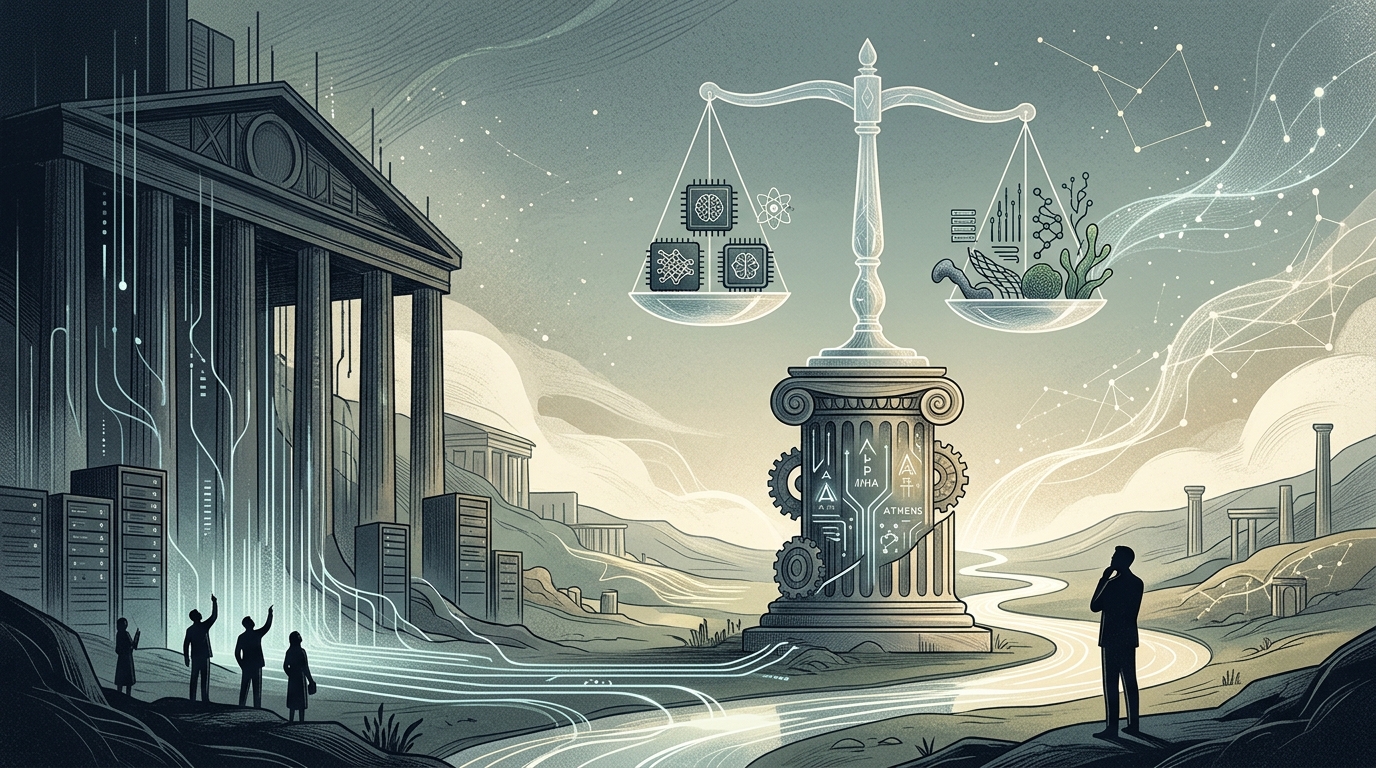
The core issue with AI is not the math, but the data. Large Language Models (LLMs) are trained on vast datasets scraped from the internet—a repository of human knowledge that is historically skewed toward male perspectives and riddled with gender bias. When an algorithm processes centuries of text that marginalizes women, it doesn't just learn language; it learns prejudice. This leads to what experts call 'automated bias,' where AI systems consistently associate professional success and high-status roles with men, while relegating women to supportive or domestic roles.
In 2026, the implications are tangible. Companies globally rely on AI to filter job applications. If a model is trained on historical hiring data from an era when executive positions were almost exclusively held by men, it will statistically penalize female candidates. This creates an invisible, algorithmic glass ceiling—one that is harder to dismantle because it is presented as a neutral, data-driven conclusion rather than a human prejudice.
Weaponizing the Image: Deepfakes and Digital Violence
Perhaps the most visceral manifestation of AI-driven misogyny is the proliferation of deepfakes. With the maturity of Generative AI in 2026, creating high-quality, non-consensual sexual content has become alarmingly accessible. Women in the public eye—politicians, journalists, and activists—as well as private individuals, are being targeted at an unprecedented rate. The objective is rarely just sexual; it is a tool of harassment designed to humiliate, silence, and drive women out of public discourse.
"Deepfake technology is not merely a tool for misinformation; it is a weapon of digital terror that disproportionately targets women to maintain traditional power structures," notes the Diplomatic Insight report.
Despite the implementation of the EU AI Act and similar global regulations, enforcement remains a game of cat and mouse. The psychological and professional damage to victims is often immediate, while the legal remedies are slow and cumbersome. This digital violence acts as a barrier to female participation in democratic life, creating a chilling effect that threatens gender parity in the digital age.
The Representation Gap Among the Architects
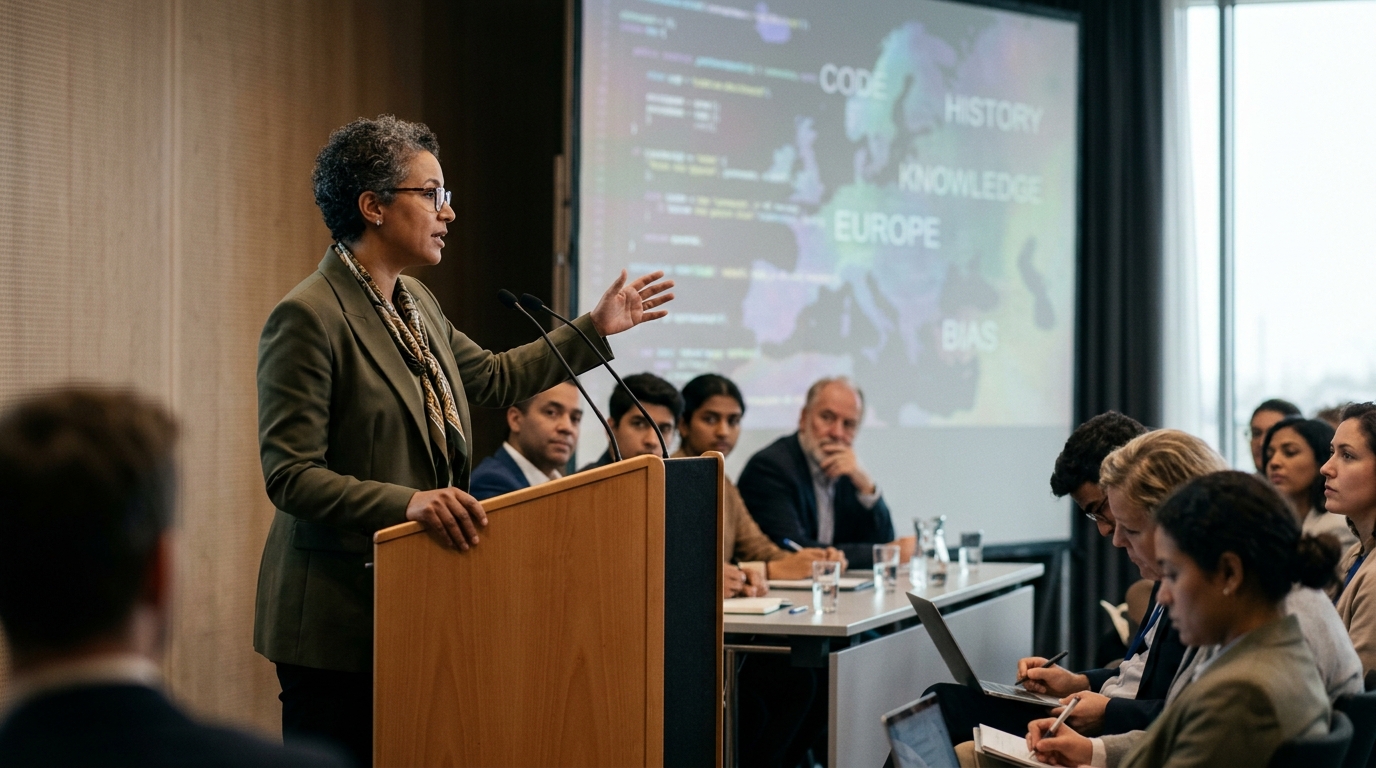
To understand why AI is biased, we must look at who is building it. Despite years of advocacy for diversity in STEM, women remain significantly underrepresented in AI research labs and corporate boardrooms. When the architects of our digital world share a narrow set of life experiences, the specific needs, safety concerns, and biological realities of women are often treated as afterthoughts during the design phase.
This lack of representation results in products that fail women. From facial recognition systems that have higher error rates for women of color to health apps that lack comprehensive data on female-specific conditions, the exclusion is structural. True algorithmic justice cannot be achieved by simply 'cleaning' data; it requires a fundamental shift in the demographic composition of the tech industry. We need more women at the table where the rules of the future are being written.
Pathways to Algorithmic Justice
Addressing misogyny in the age of AI requires a multi-faceted global strategy. First, radical transparency is non-negotiable. Developers must be held accountable for the datasets they use and must perform rigorous algorithmic audits for gender bias before any system is deployed. In 2026, 'black box' algorithms are no longer acceptable in high-stakes sectors like hiring, lending, or law enforcement.
Second, we must strengthen the legal frameworks surrounding digital identity and consent. Non-consensual AI-generated content must be treated with the same severity as physical assault. Finally, we need to foster a culture of 'algorithmic literacy.' Users and developers alike must understand that AI is not a source of absolute truth, but a reflection of human choices. If we choose to prioritize equity and inclusion, AI can be a powerful tool for dismantling the patriarchy rather than automating it. The future of AI must be female-friendly, or it will not be a future worth having.